The Ashanti Region Chairman of New Patriotic Party (NPP), Benard Antwi Boasiako, has refuted claims that he is in bed with the opposition and that some staunch members on that side are vouching for his reelection.
Founding member of the opposition National Democratic Congress (NDC) Alhaji Sani Mohammed has called on members of the NPP in the Ashanti Region to maintain Chairman Wontumi, as he is popularly known.
The seeming show of support for the NPP regional chairman has sparked debate especially among the grassroots as some have started reading meanings into this, claiming the “NDC feels Chairman Wontumi is the weakest link that’s why they want him to be maintained so that the NDC gets smooth sail in 2024”.
Responding to the claims on Akoma FM’s current affairs and political show GhanAkoma Wednesday, November 24, Chairman Wontumi explained that “I am the biggest threat to NDC so they feel that attacking my integrity will make me unpopular so that I lose the election for them to sideline me and have their way in 2024 but it won’t wash”.
He further told host of the show Aduanaba Kofi Asante Ennin that “I am the only regional chairman who has brought the party from opposition and have maintained power, so you can tell that I have experience and good track record. That’s why the NDC is seemingly aligning themselves with me so that my party people will believe I am in bed with the opposition so that I lose the election but some of us we have been in politics for a while and these antics are not new to us”.
Mr. Antwi Boasiako further urged party members to be resolute and focused to ensure the wining team is maintained to ‘break the eight’ for NPP to maintain power
Information Minister Kojo Oppong Nkrumah has said the 2022 budget statement answers the most important issues on the minds of Ghanaians.
Contributing to a debate on the budget, he said, “By 2016, when the immediate past administration was leaving office, growth had come to as low as 3.4%. Until COVID hit us, this government was growing the economy at an average of 7% on year on year.
“What that meant was that a lot of young people were getting jobs in the private sector. Additionally, even in the public sector, the government of Ghana under the leadership of President Akufo-Addo ensured that at least about 300,000 young Ghanaians were recruited in the public sector both for those who are paid by the Controller and Accountant General and from those from the Non-Subverted Agencies.
“This is very different from the days we were told that because we were down to the bone and had gone to the IMF, we couldn’t have recruited people into the public sector.
“But what is even exciting is that in this 2022 budget, this administration has made available GHS1 billion to support young men and women who want to embark on their own business known as the YouthStart initiative. And so, Mr. Speaker, the most important issue on the minds of Ghanaians is being answered by the 2022 budget,” he added.
He told Parliament to approve the 2022 budget statement presented by the Minister of Finance because the document tackles the problems that the country is saddled with at the moment.
For instance, he said, the budget has special arrangement to address the issue of youth unemployment in the country.
This and several other reasons make it crucial for this budget to be approved by the House, the Ofoase Ayirebi lawmaker said.
“The most important question, unemployment is answered by this budget,” he said.
Mr Oppong Nkrumah further urged his colleagues in the Minority to approach the discussion on the budget from nationalistic perspective.
His admonishing comes after the Minority Spokesperson on Finance Casiel Ato Forson had said the 2022 budget statement is unacceptable.
Ato Forson also noted that the content of the budget is unrealistic.
Contributing to a debate on the budget in Parliament on Tuesday November 23, he said the New Patriotic Party (NPP) administration inherited a debt of GHS120 billion from the National Democratic Congress (NDC) but within four years, it has shot up to 341billion cedis
“In fact, if you do the maths, within four and half years you have incurred GHS221billion, representing almost 65 per cent of our GDP,” the lawmaker for Ajumako-Enyan-Esiam said.
“This budget is the most inconsistent budget I have ever seen,” he said.
The Finance Minister Ken Ofori-Atta announced a new levy to be charged by government in 2022 on all electronic transactions to widen the tax net and rope in the informal sector.
“It is becoming clear there exists enormous potential to increase tax revenues by bringing into the tax bracket, transactions that could be best defined as being undertaken in the ‘informal economy’,” Mr Ofori-Atta observed on Wednesday, November 17 as he presented the 2022 budget statement in Parliament.
“After considerable deliberations, government has decided to place a levy on all electronic transactions to widen the tax net and rope in the informal sector. This shall be known as the ‘Electronic Transaction Levy or E-Levy’.”
He explained that the new E-levy will be a 1.75 per cent charge on all electronic transactions covering mobile money payments, bank transfers, merchant payments and inward remittances to be borne by the sender except inward remittances, which will be borne by the recipient.
This will, however, not affect transactions that add up to GH¢100 pr less per day.
“A portion of the proceeds from the E-Levy will be used to support entrepreneurship, youth employment, cyber security, digital and road infrastructure among others.”
This new levy is scheduled to start Saturday, January 1, 2022.
In 2020, total value of transactions was estimated to be over GH¢500 million with mobile money subscribers and users growing by 16 percent in 2019.
According to a Bank of Ghana report, Ghana saw an increase of over 120 percent in the value of digital transactions between February 2020 and February 2021 compared to 44 percent for the period February 2019 to February 2020 due to the convenience they offer.
This was definitely heightened by the advent of Covid-19 especially during the lockdown
The Minister of Railway Development, John Peter Amewu has disclosed that an intended sky train project in Accra by the ruling New Patriotic Party (NPP) government has been shelved.
He said the government has no plans to go ahead with the project because of its cost.
Speaking in an interview on Accra based Citi TV, the Minister said funding for the project has become problematic.
“The sky train that we are talking about is the one that is going to run on columns in the sky like the ones you see in Dubai but no agreement has been signed.”
“It is not possible to be done now. I don’t see any sky train being done in the next 3-4 years. There is not going to be any Sky train in the country. It is not possible.”
He also added that funding for the construction of some of the already started projects is becoming problematic for the government.
“Rail construction takes a lot of time and it is also capital intensive. A kilometre of a railway line is about four to five times the cost of building a concrete infrastructure in terms of building an asphaltic road.”
“So considering the fiscal space that we have in the country, facilities to absorb it is becoming problematic for the government and you know our current debt to GDP which is in excess of 70%.”
In November 2019, the government through the then Minister for the sector, Joe Ghartey, signed an agreement for the construction of the Accra SkyTrain Project on the sidelines of the African Investment Forum in South Africa.
The proposed initiative in Accra provides for the development of five routes, four of which are comprised of radial routes that originate at the proposed SkyTrain Terminal, at the heart of Accra, at the Kwame Nkrumah Circle, and one route that provides an intra-city commuter loop distribution service, also emanating from Circle.
The project envisaged a total track length across all routes of 194 kilometres.
The Electoral Commission (EC) says it is ready to adopt the Ghana card as the only document to prove one’s citizenship in the next voter registration exercise.
Dr Serebour Quaicoe, Director, Electoral Services at the EC, told the Ghana News Agency in an interview that the Commission had already reached a consensus with the political parties and was waiting for an amendment of the registration laws by Parliament to give legal backing to the move.
He said when the law is amended, persons who did not have the Ghana card would not be able to register to vote because the law would not allow the use of passport or guarantors as substitute for the Ghana Card.
“We are going to amend the law to incorporate that. What it means is that going forward, anybody who turns 18 and want to register, you have to come with evidence of the Ghana card to show that you are a Ghanaian and 18 years then we will register the person. You can’t use your passport or guarantors when the law is amended,” he said.
In that registration exercise, the EC accepted the Ghanaian passport and Ghana card as proof of citizenship. Persons who did not have both documents were made to provide two guarantors who had already registered to get registered.
Dr Quaicoo said the EC was still reviewing the 2020 elections and is working closely with the political parties and stakeholders to implement reforms to enhance the country’s electoral management processes.
“Our doors are open for proposals and recommendations and if it is in accordance with the law, we are going to assess it together and if possible, we will add it to our reforms,” he said.
Article 51 of the 1992 Constitution grants the EC the power to, by constitutional instrument, make regulations for the effective performance of its functions, and in particular, for the registration of voters, the conduct of public elections and referenda. The 2020 voters registration exercise was governed by the Public Elections (Registration of Voters) (Amendment) Regulation, 2020 (C.I. 126), which was passed by Parliament in June 2020.
Minister for Information, Kojo Oppong Nkrumah, says the 2022 budget statement and economic policy responds to concerns of youth unemployment in the country.
According to him, the spate of youth unemployment in the country brought on by the coronavirus global pandemic has compelled government to propose policies that will create avenues for young men and women to find descent jobs in both the public and private sectors of the country. He said this during the 2022 budget debate on the floor of Parliament on Tuesday November 23, 2021.
“By 2016, when the immediate past administration was leaving office, growth had come to as low as 3.4%. Until COVID hit us, this government was growing the economy at an average of 7% on year on year. What that meant was that a lot of young people were getting jobs in the private sector. Additionally, even in the public sector, the government of Ghana under the leadership of President Akufo-Addo ensured that at least about 300,000 young Ghanaians were recruited in the public sector both for those who are paid by the Controller and Accountant General and from those from the Non-Subverted Agencies.
“This is very different from the days we were told that because we were down to the bone and had gone to the IMF, we couldn’t have recruited people into the public sector. But what is even exciting is that in this 2022 budget, this administration has made available GHS1 billion to support young men and women who want to embark on their own business known as the YouthStart initiative. And so, Mr. Speaker, the most important issue on the minds of Ghanaians is being answered by the 2020 budget,” he added.
Finance Minister, Ken Ofori-Atta on November 17, 2021 presented the 2022 budget to Parliament. The budget, on the theme: “Building a sustainable entrepreneurial nation: fiscal consolidation and job creation”, emphasizes a post-COVID-19 economic recovery agenda, centered on youth entrepreneurship.
Accordingly, the YouthStart initiative was announced in the budget as the vehicle for supporting young entrepreneurs to gain access to capital, training, technical skills and mentoring to launch and operate their businesses. The initiative is expected to create some 1 million jobs and support young entrepreneurs to develop commercially viable businesses
The general secretary of the New Patriotic Party (NPP) says the Speaker of Parliament has been passing comments that sometimes are strictly unnecessary
John Boadu, the general secretary of the governing New Patriotic Party (NPP) says the Speaker of Parliament Alban Bagbin is only a beneficiary of a position he never worked for; the reason for some of his comments in recent times.
According to him, comments from the Speaker of Parliament indicating that he (Alban Bagbin) has the “powers to remove the president but the president cannot remove him” is unfortunate and serves no purpose.
“The Speaker as we all know is only benefitting from what he didn’t work for and as a result, he has been passing comments that sometimes are strictly unnecessary. For instance, he passed a comment that he has the capacity to impeach or remove the president and the president cannot remove you (Alban Bagbin) is totally unnecessary because he forgets that as a Speaker, he doesn’t even have a vote.”
“So, on what basis is he saying that or he’s going to supervise a distorted proposal for impeachment or what? I think it’s time he recognises that he’s benefitting from something he didn’t work for,” he stated.
Road tolls
On the suspension road tolls, Boadu stated that although Parliament has the sole responsibility to enact or suspend laws, the government also has the responsibility to institute administrative measures to curb any form of confusion and conflicts that will emerge as a result of the policies of the government.
“With the removal of road tolls, I think strictly and technically speaking, it is Parliament that enacts and suspend laws so nobody is lost to it. But in the interim as we wait for Parliament, particularly when the government has put in a proposal of a reduction or zero-rated tolls, for instance, it is necessary for the government to put in administrative measures in other not to create confusion. Because if the minister had not operationalised the non-collection of tolls at that time, there’ll have been a lot of confusion at our toll booths,” he said.
Cessation of road tolls
The Minister of Roads and Highways, Kwasi Amoako Attah directed the cessation of road tolls effective Thursday, 18 November 2021.
This followed an announcement by the government that abolished all tolls on public roads and bridges in the 2022 Budget Statement.
However, the Speaker of Parliament, Alban Bagbin directed the Roads and Highways Minister to reverse the directive on the cessation of road tolls until Parliament provides appropriate legislation.
According to the Speaker, the minister lacks the legal mandate to issue such a directive and has suggested that the minister initiates legislation under a certificate of urgency to seek the approval of the House
Deputy Minister for Tourism, Arts and Culture Mark Okraku-Mantey has hinted that the Kumasi theatre promised by the government will reach its full completion by the end of 2022.
He gave this information when he appeared on Happy FM’s ‘Showbiz Xtra’ hosted by Doctar Cann.××
“Government’s job for the creative industry is to create an enabling environment, give you the logistics that as individuals we cannot buy like a theatre. That is why the creative arts school in Kumasi right now has a theatre that is going to house close to 2000 people.
“We asked for it when I was with you four years ago and the President has taken steps that we must start. By next year, pictures of Kumasi’s theatre will be out. By end of next year, the theatre will be complete,” he told Doctar Cann.
Two years ago, during his third State of the Nation Address on February 21, 2019, the President of Ghana, Nana Addo Dankwa Akufo-Addo announced that work on the construction of the performance theatre was underway in Kumasi.
“The Eastern Region Theatre has been completed, and work is currently ongoing towards the construction of the Kumasi theatre,” he said.
Last year, it was reported that the Ministry of Tourism, Arts and Culture on behalf of government had signed a Memorandum of Understanding (MoU) with China Bengbu International Technology & Economic Cooperation Ltd for construction of a two thousand capacity theatre/conference Centre to be built in Kumasi, the Ashanti Regional capital.
In 2016, the New Patriotic Party (NPP) promised to build a large theatre for each region should they win power. In its manifesto, the NPP said, “Pursue the construction of modern large seating theatres in every regional capital except Accra, beginning with Takoradi, Tamale and Kumasi, as well as setting up an additional copyright office in Tamale to cater for the northern sector in addition to the existing ones in Accra and Kumasi.”
In 2019, Vice President Dr Mahamudu Bawumia reiterated the New Patriotic Party (NPP’s) campaign promise to build large seating event theatres in all regions of the country.
STC Managing Director, Nana Akomea, has charged Ghanaians to embrace the e-levy policy of the government.
According to him, the e-levy is a “brilliant move by government”, stressing “that’s the only way we can accurately account for economic activities in the country”.
The Finance Minister, Ken Ofori-Atta, reading the 2022 budget statement, said “government has abolished all tolls on public roads and bridges. This takes effect immediately the Budget is approved”.
Road tolls across the country, according to the Information Minister, amounts to 78 million cedis per annum.
Government has therefore introduced the e-levy for Parliamentary approval to support infrastructure development in the country.
Ken Ofori-Atta expouned;”After considerable deliberations, Government has decided to place a levy on all electronic transactions to widen the tax net and rope in the informal sector. This shall be known as the ‘Electronic Transaction Levy or E-Levy.’ Electronic transactions covering mobile money payments, bank transfers, merchant payments and inward remittances will be charged at an applicable rate of 1.75%, which shall be borne by the sender except inward remittances, which will be borne by the recipient”.
“Mr. Speaker, to safeguard efforts being made to enhance financial inclusion and protect the vulnerable, all transactions that add up to GH¢100 or less per day (which is approximately GH¢3000 per month) will be exempt from this levy. A portion of the proceeds from the E-Levy will be used to support entrepreneurship, youth employment, cyber security, digital and road infrastructure among others. 3y3 Baako, Ye nyinaa bey tua. Mr. Speaker, this new policy also comes into effect (once appropriation is passed) from 1st January, 2022. Government will work with all industry partners to ensure that their systems and payment platforms are configured to implement the policy.”
Nana Akomea, speaking on Peace FM’s ‘Kokrokoo’ programme, was shocked at the amount of road tolls across the nation saying it’s meagre and in no way enough to revamp the road sector.
To him, the e-levy is the right alternative, disclosing electronic transactions in Ghana exceed bank transactions and generate GHc 960 billion of revenues.
“In fact, the transactions there is propably bigger all the transactions in the banks. That’s how big and mature the e-economy is.”
He supported the e-levy stating, “the nation needs revenue. We are a poor country. We don’t really have money and we complain everyday that we borrow too much. Today, the borrowing is about 78% of GDP. If you don’t raise revenue from your country, won’t you go and borrow”.
He, however, appealed to Parliament to have a relook at the 1.75% rate since there are complaints that it’s high.
Haruna Iddrisu says his side will demand a proper vote on e-levy
He said the Minority will vote against the levy
He spoke on Joy News
Haruna Iddrisu, the Minority Leader, has indicated that the NDC Caucus in Parliament will demand a proper vote on the electronic levy [E-levy] proposal which was announced by the Finance Minister in the 2022 budget statement to Parliament.
According to him, his side is willing to vote against the revenue and some other revenue measures which were part of the budget.
The Tamale MP explained on Joy News’ ‘PM Express’ programme that aired on Monday, November 22, that, “We will reject it outright. There’s no way the Minority will stand with the government on the introduction of the e-levy. It’s not just opportunistic but an oppressive tax regime but also lazy. It will derail the progress we have made as a country on the digital economy. We are united and collectively, we will subject it to a vote and be counted standing in opposition.”
He noted that the government could have used other means to raise sustainable revenue without resorting to “lazy” tax measures.
He suggested that, one of the ways in which government can raise sustainable revenue is by cutting down on its “profligate” expenditure to raise revenue to build the country.
“I just think that it’s a no no for the country at this material time. You tax when you don’t discipline your opulent and profligate expenditure, that is not encouraging. You cannot be asking Ghanaians to tighten their belts whilst you lose your excessive and unexplained expenditure. Take the rental of presidential jets for instance, and you’d hear arguments that the president must bath in the air and you hear the amount of money that is spent, colossal, on travels,” Haruna Iddrisu added.
1.75% levy on electronic transactions
Ken Ofori-Atta introduced a new 1.75% levy on all electronic transactions such as Mobile money transactions, remittances and other electronic transactions.null
Fees and charges of government services have also been increased by 15%.
The Finance Minister explained, “It is becoming clear there exists an enormous potential to increase tax revenues by bringing into the tax bracket, transactions that could be best defined as being undertaken in the informal economy.
“As such government is charging an applicable rate of 1.75% on all electronic transactions covering mobile money payments, bank transfers, merchant payments, and inward remittances, which shall be borne by the sender except inward remittances, which will be borne by the recipient.
“To safeguard efforts being made to enhance financial inclusion and protect the vulnerable, all transactions that add up to GH¢100 or less per day, which is approximately ¢3000 per month, will be exempt from this levy,” Ofori-Atta revealed.
The United Nations Peace Ambassador in Ghana, Bishop Samuel Ben Owusu, has expressed worry that youth unemployment is going to be another major catastrophe to hit the African continent if measures are not taken to address the menace.
The Senior Pastor at the Pottersville Church and also the Country Director of International Association of World Peace Advocates implored African governments to as a matter of urgency initiate measures to tackle the problem.
Addressing the press in Accra on Sunday after his trip to the UN General Assembly in New York, he said “I told the president that as we are fighting Covid 19 today, if we are not careful the next pandemic that will hit Africa will be youth unemployment if we do not have a very deliberate strategy for the youth of Africa.
“Youth unemployment has contributed to a lot of crimes, this has contributed to social bully, social media insults and more especially hate speeches.”
Meanwhile, the Vice President Dr. Mahamudu Bawumia has also said the most serious threat to Ghana’s security is unemployment but the government of President Nana Addo Dankwa Akufo-Addo is fixing it.
He urged heads of state agencies to adopt a more efficient use of public resources in order to maximise the values of what has been entrusted to them.
Speaking at the closing ceremony of a retreat for board chairpersons, heads and deputy heads of government institutions at Nkwatia-Kwahu on Sunday, Dr. Bawumia told the heads of state institutions that state agencies have crucial roles to play if Ghana’s quest for less reliance on foreign support is to be achieved, hence the need for them to adopt innovative ways of transforming their respective agencies for the benefit of all Ghanaians.
“As Heads of Institution, we have a responsibility to constantly represent the Ghanaian people in a transparent and accountable manner,” Dr. Bawumia said.
“It is our responsibility to always maximize the value of what has been entrusted to us for the benefit of everybody.”
Ghana Beyond Aid, the Vice President noted, is a long-term project, which requires enormous resources from both the public and commercial sectors, in keeping with the goal of becoming less reliant on the charity of external donors.
Stressing on the significant roles the public sector, in particular, is expected to play towards driving Ghana closer to the vision of Ghana Beyond Aid, he urged the heads of institutions to “harness and use the country’s own resources to transform the economy effectively and efficiently for a rapid, but a sustainable growth path.”
“Ladies and gentlemen, to reform our specified entities in realizing a Ghana Beyond Aid, heads of institution, need to be more professional and transparent in their approach to public investments, as well as greater efficiency in the use of all public resources.”
“It necessitates a shift in thought and attitude so that we can begin to do things differently—smarter, more efficiently and effectively, and with a greater feeling of patriotism and civic responsibility.”
The Vice President also implored the heads of state institutions to uplift the technological capabilities of their respective organisations, in line with government’s digitization agenda, in order to boost their operations for the benefit of Ghanaians and also to contribute effectively towards the economic transformation of the country.
“To achieve the vision of Ghana Beyond Aid in the shortest possible time, we need to improve our technology capabilities,’ Dr. Bawumia said.
“According to Alexis Ohanian, you needed to open a factory to participate in the industrial revolution; this time around, you only need to open a laptop to participate in the internet revolution. There is a global paradigm shift, and we must not be left behind in this 4th Industrial Revolution,’ he added.
“This has been my primary inspiration for the digitization agenda; that is, to apply technological innovation to transform the ways and means by which we engage in our everyday production and exchange of economic activities. Whether at home, at our offices, farm and factory, whether it is person to person, person to business, business to business, or person and business to government, transparency and efficiency are our watchwords.”
“Our economic transformation can best be aided by digital transformation to overcome some of our development challenges.”
“For example, our use of drone technology in the delivery of medical supplies has helped us to overcome many challenges in the delivery of health care services to the people who live far in the rural areas and far from urban centres.”
“We save lives, provide more efficient management and distribution of critical medical supplies and gain more equitable access to the health care system.”
“When we apply technological innovations to the passport office, to DVLA, to the distribution of pre-mix fuel and fertilizers, we are improving on our production and service delivery capabilities to transform the economy.”
“That is why as heads of public institutions we take this opportunity to implore each one of you to join us in this transformation. Somewhere in your organization, somewhere in your production and delivery of services for a fee, technological innovation and digital transformation procedures can lift the performance of your organization, or help the organization overcome the obstacles we have faced for several years. It is all in innovations of processes, procedures and data management.”
The Vice President further called on heads of state institutions to repose the confidence President Akufo-Addo has placed in them by adding value to their respective institutions, which will ensure expansion, to create more opportunities for the youth.
“The most serious threat to the nation’s security is unemployment. The Nana Addo Dankwa Akufo-Addo government has made significant progress in resolving this issue. But there’s a lot more that must be done. The challenge is real and your role in tackling the unemployment quandary cannot be overemphasized.”
“As heads of institution, if you can expand your scope of operation for maximum returns and profitability, to be able to recruit the youth to tackle this heinous joblessness among the nation’s youth, we will have made significant progress in providing jobs for our youth.”
“You have been specially selected and appointed by the President who has a lot of confidence in your ability to turn around the fortunes of your institutions. I know you will meet this expectation and make the country proud.”
“Let us show the Ghanaian people how grateful we are for the opportunity to serve our country. Let us add value to the public sector.
The government has announced the creation of one million jobs for the youth of this country.
This was announced by the Finance Minister Ken Ofori Atta in the budget statement for the 2022 fiscal year on Wednesday November 17.
He said “The understanding of the youth employment challenge, as well as extensive consultations with stakeholders including youth associations and educational institutions across the country, have led to the development of the YouStart initiative which proposes to use GH¢1 billion each year to catalyze an ecosystem to create 1 million jobs and in partnership with the Finance Institutions and Development Partners, raise another 2 Billion Cedis.
“In addition, our local Banks have agreed to a package that will result in increasing their SME portfolio up to GHC 5 billion over the next 3 years.
“This, Mr. Speaker results in an unprecedented historic 10 Bn Cedis commitment to the private sector and YouStart over the next 3 years.
“Mr. Speaker, YouStart is a vehicle for supporting young entrepreneurs to gain access to capital, training, technical skills and mentoring to enable them launch and operate their own businesses.
“Mr. Speaker, the Ghana Enterprises Agency (GEA), the National Entrepreneurship and Innovation Programme (NEIP), and partner financial institutions, will serve as the implementing arms of YouStart.
“Entrepreneurs will be able to apply for support through a dedicated YouStart online portal.
“NEIP will also engage our Faith-Based Organisations as partners for the delivery of essential artisanal skills, business competitions, and feasibility studies and introduction to financing institutions with a commitment of up to 10% of GOG contribution to the YouStart Programme.”
Bolgatanga Central Member of Parliament, Isaac Adongo served notice that the Minority in parliament will not accept the Agyapa deal in spite of any readjustment made to the the agreement
In his view, the transaction does not inure to the benefit of Ghanaians hence, the decision by the Minority to oppose it.
“Agyapa by whatever shape will not be tolerated by us” he said on Tuesday November 23 while contributing to a debate on the 2022 budget statement presented to Parliament by Finance Minister Ken Ofori Ata.
He told journalists that the “Attorney General has looked at the agreement” hence decision to the return the deal.
“The Attorney General has looked at it, we have had a few stakeholder meetings. I think the new board should be energized to review that and then go through the Parliamentary process.
“I am unequivocal that it is the way to go in terms of monetizing our minerals and finding a way to the level of debt that the country has,” he said after inaugurating the new board of the Ghana Minerals Income Investment Fund,” he said.
The agreement, which was approved by the Seventh Parliament on Friday, August 14, 2020, had to be withdrawn after a corruption-risk assessment was conducted by then Special Prosecutor, Martin Alamisi Amidu.
Resigning a few days afterwards, the Special Prosecutor accused President Akufo-Addo of interfering in his assessment on the deal under the Minerals Income Investment Fund Act, 2018 (Act 978).
“The reaction I received for daring to produce the Agyapa Royalties Limited Transactions anti-corruption report convinces me beyond any reasonable doubt that I was not intended to exercise any independence as the Special Prosecutor in the prevention, investigation, prosecution, and recovery of assets of corruption,” Mr Amidu said in his resignation letter to the president.
The Executive Secretary to the President, Nana Asante Bediatuo, replied the resignation letter and said a mere meeting between the president and a Special Prosecutor cannot be said to be interference.
“Your accusation of interference with your functions simply on account of the meeting the president held with you is perplexing. In exercise of what you considered to be your powers under Act 959, you had voluntarily proceeded to produce the Agyapa Report.
“The president had no hand in your work. Without prompting from any quarter within the Executive, you delivered a letter purporting to be a copy of you report to the president.
“The purpose of presenting a copy of the Agyapa report to the president is decipherable from paragraph 32 of your letter to the president in which you indicated that you hoped the report will be ‘used to improve current and future legislative and executive actions to make corruption and corruption-related offences very high risk enterprise in Ghana’.”
Civil Society Organizations (CSOs) also rejected the previous agreement when it was first introduced on the floor of parliament.
Ghana’s legislature approved the controversial agreement on Friday, August 14 despite a protest from the Minority.
A group of CSOs led by Dr Steve Manteaw noted that the government of Ghana and Parliament rushed in approving the agreement.
Speaking at a press conference on Tuesday, August 25, Dr Manteaw said: “What we are telling government is let’s slow down…let’s have more transparency, more consensus building around the approach before we go forward with the approach.
“I don’t know of any national emergency that warrants that we should rush the process to raise funds for development.”
On Tuesday, March 9, President Akufo-Addo hinted of sending the deal back to Parliament for re-consideration.
JIn his first state-of-the-nation address to that Parliament on Tuesday, March 9, President Nana Addo Dankwa Akufo-Addo said “in the course of this session of Parliament, Government will come back to engage the House on the steps it intends to take on the future of the Agyapa transaction
Information Minister, Kojo Oppong Nkrumah, has asked the Minority in Parliament to approach the debate on the 2022 budget statement from a nationalists perceptive.
He indicated that the budget contains policy proposals which seek to tackle the fundamental challenges facing the country hence, must be approved.
“We want to have a conversation with the national agenda ahead of us,” he said during a debate on the budget in Parliament on Tuesday November 23.
“This house should approve the economic proposals in the budget,” he added.
He further asked Parliament to approve the 2022 budget statement presented by the Minister of Finance.
He explained during a debate on the budget statement in Parliament on Tuesday November 23 that the document tackles the problems that the country is saddled with at the moment.
For instance, he said, the budget has special arrangement to address the issue of youth unemployment in the country.
His comments came after the Minority Spokesperson on Finance Casiel Ato Forson had said the 2022 budget statement is unacceptable.
Ato Forson also noted that the content of the budget is unrealistic.
Contributing to a debate on the budget in Parliament on Tuesday November 23, he said the New Patriotic Party (NPP) administration inherited a debt of GHS120 billion from the National Democratic Congress (NDC) but within four years, it has shot up to 341billion cedis
“In fact, if you do the maths, within four and half years you have incurred GHS221billion, representing almost 65 per cent of our GDP,” the lawmaker for Ajumako-Enyan-Esiam said.
“This budget is the most inconsistent budget I have ever seen,” he said.
The Finance Minister Ken Ofori-Atta announced a new levy to be charged by government in 2022 on all electronic transactions to widen the tax net and rope in the informal sector.
“It is becoming clear there exists enormous potential to increase tax revenues by bringing into the tax bracket, transactions that could be best defined as being undertaken in the ‘informal economy’,” Mr Ofori-Atta observed on Wednesday, November 17 as he presented the 2022 budget statement in Parliament.
“After considerable deliberations, government has decided to place a levy on all electronic transactions to widen the tax net and rope in the informal sector. This shall be known as the ‘Electronic Transaction Levy or E-Levy’.”
He explained that the new E-levy will be a 1.75 per cent charge on all electronic transactions covering mobile money payments, bank transfers, merchant payments and inward remittances to be borne by the sender except inward remittances, which will be borne by the recipient.
This will, however, not affect transactions that add up to GH¢100 pr less per day.
“A portion of the proceeds from the E-Levy will be used to support entrepreneurship, youth employment, cyber security, digital and road infrastructure among others.”
This new levy is scheduled to start Saturday, January 1, 2022.
In 2020, total value of transactions was estimated to be over GH¢500 million with mobile money subscribers and users growing by 16 percent in 2019.
According to a Bank of Ghana report, Ghana saw an increase of over 120 percent in the value of digital transactions between February 2020 and February 2021 compared to 44 percent for the period February 2019 to February 2020 due to the convenience they offer.
This was definitely heightened by the advent of Covid-19 especially during the lockdown
The e-levy proposal in the 2022 budget statement is a monster and a killer, Bolgatanga central Lawmaker, Isaac Adongo, has said during a debate on the 2022 budget statement in Parliament on Tuesday November 23.
He said the proposal should not be approved because it will further impoverish the people.
“The e-levy is a monster, it is a killer,” he said while rejecting the proposal.
The Finance Minister Ken Ofori-Atta announced a new levy to be charged by government in 2022 on all electronic transactions to widen the tax net and rope in the informal sector.
“It is becoming clear there exists enormous potential to increase tax revenues by bringing into the tax bracket, transactions that could be best defined as being undertaken in the ‘informal economy’,” Mr Ofori-Atta observed on Wednesday, November 17 as he presented the 2022 budget statement in Parliament.
“After considerable deliberations, government has decided to place a levy on all electronic transactions to widen the tax net and rope in the informal sector. This shall be known as the ‘Electronic Transaction Levy or E-Levy’.”
He explained that the new E-levy will be a 1.75 per cent charge on all electronic transactions covering mobile money payments, bank transfers, merchant payments and inward remittances to be borne by the sender except inward remittances, which will be borne by the recipient.
This will, however, not affect transactions that add up to GH¢100 pr less per day.
“A portion of the proceeds from the E-Levy will be used to support entrepreneurship, youth employment, cyber security, digital and road infrastructure among others.”
This new levy is scheduled to start Saturday, January 1, 2022.
In 2020, total value of transactions was estimated to be over GH¢500 million with mobile money subscribers and users growing by 16 percent in 2019.
According to a Bank of Ghana report, Ghana saw an increase of over 120 percent in the value of digital transactions between February 2020 and February 2021 compared to 44 percent for the period February 2019 to February 2020 due to the convenience they offer.
This was definitely heightened by the advent of Covid-19 especially during the lockdown
Former Minister for Finance in the Mills administration, Dr. Kwabena Duffour is scheduled to speak on issues on the current economic direction of the country with his Ghanaian Dream project.××
The former governor of the Bank of Ghana who is a presidential hopeful of the NDC’s lecture is expected to touch on transformation of the economy and job creation.
In a flyer posted on his social media platform about the lecture scheduled to take place at the Tang Palace Hotel in Accra and being organised by the Institute of Fiscal Studies (IFS), his brainchild dubbed “The Ghanaian Dream: Transforming the economy through Job Creation and opportunities for all.”
Recently, the owner of the defunct UniBank held similar lecture where he shed light on the current state of the economy and expressed concern about why a country such as Ghana which is endowed with rich natural resources cannot positively change the economic fortunes of its people.
Dr. Duffour who has been speaking at a forum organized by the Institute for Financial Services Ghana therefore called for a collective effort of all stakeholders to help exploit the abundant natural resources to benefit the citizens
The Minority Spokesperson on Finance, Casiel Ato Forson has said a move by the government to tax Mobile Money transaction will mean taxing savings of the people.
He explained that people keep money on the mobile money accounts as savinhs. Therefore any attenpt to tax that transcation will targetd at taxing people’s savings.
Contrbuting to a debate on the 2022 budget statement in Parliament on Tuesday November 23, Mr Ato Forson who is lawmaker for Ajumako-Enyan-Esiam rejected the move by the government to levy MoMo transactions.
Taxing Mobile Money,” he said “will mean taxing people’s savings,”
The Finance Minister Ken Ofori-Atta announced a new levy to be charged by government in 2022 on all electronic transactions to widen the tax net and rope in the informal sector.
“It is becoming clear there exists enormous potential to increase tax revenues by bringing into the tax bracket, transactions that could be best defined as being undertaken in the ‘informal economy’,” Mr Ofori-Atta observed on Wednesday, November 17 as he presented the 2022 budget statement in Parliament.
“After considerable deliberations, government has decided to place a levy on all electronic transactions to widen the tax net and rope in the informal sector. This shall be known as the ‘Electronic Transaction Levy or E-Levy’.”
He explained that the new E-levy will be a 1.75 per cent charge on all electronic transactions covering mobile money payments, bank transfers, merchant payments and inward remittances to be borne by the sender except inward remittances, which will be borne by the recipient.
This will, however, not affect transactions that add up to GH¢100 pr less per day.
“A portion of the proceeds from the E-Levy will be used to support entrepreneurship, youth employment, cyber security, digital and road infrastructure among others.”
This new levy is scheduled to start Saturday, January 1, 2022.
In 2020, total value of transactions was estimated to be over GH¢500 million with mobile money subscribers and users growing by 16 percent in 2019.
According to a Bank of Ghana report, Ghana saw an increase of over 120 percent in the value of digital transactions between February 2020 and February 2021 compared to 44 percent for the period February 2019 to February 2020 due to the convenience they offer.
This was definitely heightened by the advent of Covid-19 especially during the lockdown.
The Minority Spokesperson on Finance Casiel Ato Forson has said the 2022 budget statement is unacceptable.
He also noted that the content of the budget is unrealistic.
Contributing to a debate on the budget in Parliament on Tuesday November 23, he said the New Patriotic Party (NPP) administration inherited a debt of GHS120 billion from the National Democratic Congress (NDC) but within four years, it has shot up to 341billion cedis
“In fact, if you do the maths, within four and half years you have incurred GHS221billion, representing almost 65 per cent of our GDP,” the lawmaker for Ajumako-Enyan-Esiam said.
“This budget is the most inconsistent budget I have ever seen,” he said.
The Finance Minister Ken Ofori-Atta announced a new levy to be charged by government in 2022 on all electronic transactions to widen the tax net and rope in the informal sector.
“It is becoming clear there exists enormous potential to increase tax revenues by bringing into the tax bracket, transactions that could be best defined as being undertaken in the ‘informal economy’,” Mr Ofori-Atta observed on Wednesday, November 17 as he presented the 2022 budget statement in Parliament.
“After considerable deliberations, government has decided to place a levy on all electronic transactions to widen the tax net and rope in the informal sector. This shall be known as the ‘Electronic Transaction Levy or E-Levy’.”
He explained that the new E-levy will be a 1.75 per cent charge on all electronic transactions covering mobile money payments, bank transfers, merchant payments and inward remittances to be borne by the sender except inward remittances, which will be borne by the recipient.
This will, however, not affect transactions that add up to GH¢100 pr less per day.
“A portion of the proceeds from the E-Levy will be used to support entrepreneurship, youth employment, cyber security, digital and road infrastructure among others.”
This new levy is scheduled to start Saturday, January 1, 2022.
In 2020, total value of transactions was estimated to be over GH¢500 million with mobile money subscribers and users growing by 16 percent in 2019.
According to a Bank of Ghana report, Ghana saw an increase of over 120 percent in the value of digital transactions between February 2020 and February 2021 compared to 44 percent for the period February 2019 to February 2020 due to the convenience they offer.
This was definitely heightened by the advent of Covid-19 especially during the lockdown.
Director of Communications for the New Patriotic Party (NPP), Yaw Buaben Asamoa has said the government is seeking to reduce the fiscal deficit.
To that end, he said, the government intends to reduce borrowing to rather focus on generating revenue locally to embark on development projects.
Speaking on the ‘Pae Muka’ Show on Onua FM with host Yaa Titi Ocrah on Monday November 22, the former Member of Parliament for Adentan said the 2022 budget statement presented to Parliament by the Finance Minister Ken Ofori Atta will lead to a reduction in the fiscal deficit which he said is currently at 15 per cent.
By the end of the 2022, he said, the deficit is expected to reduce to 12 per cent, he said, adding that within the next four years, it will drop to below 5 per cent.
He further expressed optimism that this target would be achieved given the measures that have been introduced by the managers of the economy.
The Finance Minister Ken Ofori-Atta announced a new levy to be charged by government in 2022 on all electronic transactions to widen the tax net and rope in the informal sector.
“It is becoming clear there exists enormous potential to increase tax revenues by bringing into the tax bracket, transactions that could be best defined as being undertaken in the ‘informal economy’,” Mr Ofori-Atta observed on Wednesday, November 17 as he presented the 2022 budget statement in Parliament.
“After considerable deliberations, government has decided to place a levy on all electronic transactions to widen the tax net and rope in the informal sector. This shall be known as the ‘Electronic Transaction Levy or E-Levy’.”
He explained that the new E-levy will be a 1.75 per cent charge on all electronic transactions covering mobile money payments, bank transfers, merchant payments and inward remittances to be borne by the sender except inward remittances, which will be borne by the recipient.
This will, however, not affect transactions that add up to GH¢100 pr less per day.
“A portion of the proceeds from the E-Levy will be used to support entrepreneurship, youth employment, cyber security, digital and road infrastructure among others.”
This new levy is scheduled to start Saturday, January 1, 2022.
In 2020, total value of transactions was estimated to be over GH¢500 million with mobile money subscribers and users growing by 16 percent in 2019.
According to a Bank of Ghana report, Ghana saw an increase of over 120 percent in the value of digital transactions between February 2020 and February 2021 compared to 44 percent for the period February 2019 to February 2020 due to the convenience they offer.
This was definitely heightened by the advent of Covid-19 especially during the lockdown.
Information Minister Kojo Oppong Nkrumah has told Parliament to approve the 2022 budget statement presented by the Minister of Finance.
He explained during a debate on the budget statement in Parliament on Tuesday November 23 that the document tackles the problems that the country is saddled with at the moment.
For instance, he said, the budget has special arrangement to address the issue of youth unemployment in the country.
This and several other reasons make it crucial for this budget to be approved by the House, the Ofoase Ayirebi lawmaker said.
“The most important question, unemployment is answered by this budget,” he said.
Mr Oppong Nkrumah further urged his colleagues in the Minority to approach the discussion on the budget from nationalistic perspective.
His admonishing comes after the Minority Spokesperson on Finance Casiel Ato Forson had said the 2022 budget statement is unacceptable.
Ato Forson also noted that the content of the budget is unrealistic.
Contributing to a debate on the budget in Parliament on Tuesday November 23, he said the New Patriotic Party (NPP) administration inherited a debt of GHS120 billion from the National Democratic Congress (NDC) but within four years, it has shot up to 341billion cedis
“In fact, if you do the maths, within four and half years you have incurred GHS221billion, representing almost 65 per cent of our GDP,” the lawmaker for Ajumako-Enyan-Esiam said.
“This budget is the most inconsistent budget I have ever seen,” he said.
The Finance Minister Ken Ofori-Atta announced a new levy to be charged by government in 2022 on all electronic transactions to widen the tax net and rope in the informal sector.
“It is becoming clear there exists enormous potential to increase tax revenues by bringing into the tax bracket, transactions that could be best defined as being undertaken in the ‘informal economy’,” Mr Ofori-Atta observed on Wednesday, November 17 as he presented the 2022 budget statement in Parliament.
“After considerable deliberations, government has decided to place a levy on all electronic transactions to widen the tax net and rope in the informal sector. This shall be known as the ‘Electronic Transaction Levy or E-Levy’.”
He explained that the new E-levy will be a 1.75 per cent charge on all electronic transactions covering mobile money payments, bank transfers, merchant payments and inward remittances to be borne by the sender except inward remittances, which will be borne by the recipient.
This will, however, not affect transactions that add up to GH¢100 pr less per day.
“A portion of the proceeds from the E-Levy will be used to support entrepreneurship, youth employment, cyber security, digital and road infrastructure among others.”
This new levy is scheduled to start Saturday, January 1, 2022.
In 2020, total value of transactions was estimated to be over GH¢500 million with mobile money subscribers and users growing by 16 percent in 2019.
According to a Bank of Ghana report, Ghana saw an increase of over 120 percent in the value of digital transactions between February 2020 and February 2021 compared to 44 percent for the period February 2019 to February 2020 due to the convenience they offer.
This was definitely heightened by the advent of Covid-19 especially during the lockdown
The National Democratic Congress (NDC) Northern Executive Committee has suspended Mion Constituency Chairman, Alhaji Abdulai Zakaria.
According to the NDC, the move follows the Regional Disciplinary Committee report finding the chairman guilty of breach of Oath of Office as provided in article 48(8) of the party’s Constitution.
“In April, some members of the NDC filed a petition against the Chairman for anti-party conduct, and behaviour contributing to the NDC’s losing the Mion seat. With an attached audio recording on which the Chairman is heard encouraging voters to vote against the NDC’s interest,” the NDC Northern Regional Secretary, Mohammed Abdul-Salam told Starrfm.com.gh.
He said the Chairman was suspended and the petition referred to the Northern Regional Disciplinary Committee for hearing, adding that the latest action follows the decision by the Regional Executives on the disciplinary committee’s report.
The Police have arrested four robbery suspects and a juvenile who allegedly carry out robbery activities on highways linking Nkoranza and Techiman in the Bono East Region and the Ejura Sekyedumase Municipal area of the Ashanti Region.
They were arrested on November 16, 2021, a statement by the Police said on Tuesday November 23.
The suspects are Ajara Segu, Rashid Ibrahim, Ibrahim Iddrisu, Musa Arijuma and a 14-yr-old
The Vice President, Dr. Mahamudu Bawumia, has provided data to prove that overwhelming majority of investment in fibre optics in Ghana happened under the government of President Nana Addo Dankwa Akufo-Addo.
The opposition National Democratic Congress (NDC), following a recent lecture on Ghana’s digital economy by Dr. Bawumia, claimed that the New Patriotic Party’s digitization drive has benefitted from investment made by the erstwhile Mahama government in fibre optics.
But speaking at the closing ceremony of a retreat for heads of government institutions in Kwahu Nkwatia over the weekend, Dr. Bawumia provided evidence from the National Communications Authority (NCA) to expose the claims of the NDC as outright lies.
Data the Vice President provided from the NCA on investment history and NCA license of fibre optics in Ghana proved that over 80 percent of Ghana’s total fibre optic investment happened between 2017 and now, under the Akufo-Addo government.
Breaking down the data to the board chairpersons and CEOs, Dr. Bawumia asked them to always arm themselves with facts in order to expose the lies of the NDC.
“Recently, for example, we had an issue come up after the lecture I gave in Ashesi University on digital transformation. The NDC came out and said John Mahama had made all the investments in fibre optics and we are benefitting,” Dr. Bawumia said.
“I said wait a minute, I can’t remember any investment by John Mahama in the fibre optic space so I called the NCA and I said give me the data on fibre optic investment in Ghana. It was very interesting when the data was provided.
“NCA has provided six fibre optic licenses since Ghana began. The first was provided under [former] President Kufuor, which was volta com. Of all the six, five were provided under President Nana Addo Dankwa Akufo-Addo and the NPP. So under the NPP since 2017, we have provided licenses for 5.”
Dr. Bawumia further provided figures to show that the biggest fibre optic investment in the country has happened under the Akufo-Addo government.
“The total number of fibre optic network in Ghana that has been licensed by the government is 6,343 kilometeres. What the NPP government has licensed of that 6,343 since 2017 is 5,610. That is 88.4%. This is data and it is data that is in possession of us. We have to make that data clearly.
“How can we provide 88.4% of fibre optic investment in Ghana and you say our digitization is riding on your investment, when we even started the whole process in 2007?”
Below is a breakdown of NCA’s six fibre optic licenses.
In his view, doing this will ensure expansion, to create more opportunities for the youth.
“The most serious threat to the nation’s security is unemployment. The Nana Addo Dankwa Akufo-Addo government has made significant progress in resolving this issue.
“But there’s a lot more that must be done. The challenge is real and your role in tackling the unemployment quandary cannot be overemphasized,” he said while speaking at the closing ceremony of a retreat for board chairpersons, heads and deputy heads of government institutions at Nkwatia-Kwahu on Sunday November 21.
He added “As heads of institution, if you can expand your scope of operation for maximum returns and profitability, to be able to recruit the youth to tackle this heinous joblessness among the nation’s youth, we will have made significant progress in providing jobs for our youth.”
“You have been specially selected and appointed by the President who has a lot of confidence in your ability to turn around the fortunes of your institutions. I know you will meet this expectation and make the country proud.”
“Let us show the Ghanaian people how grateful we are for the opportunity to serve our country. Let us add value to the public sector
Vice President Dr. Mahamudu Bawumia has urged heads of state agencies to adopt a more efficient use of public resources in order to maximise the values of what has been entrusted to them.
Speaking at the closing ceremony of a retreat for board chairpersons, heads and deputy heads of government institutions at Nkwatia-Kwahu on Sunday, Dr. Bawumia told the heads of state institutions that state agencies have crucial roles to play if Ghana’s quest for less reliance on foreign support is to be achieved, hence the need for them to adopt innovative ways of transforming their respective agencies for the benefit of all Ghanaians.
“As Heads of Institution, we have a responsibility to constantly represent the Ghanaian people in a transparent and accountable manner,” Dr. Bawumia said.
“It is our responsibility to always maximize the value of what has been entrusted to us for the benefit of everybody.”
Ghana Beyond Aid
Ghana Beyond Aid, the Vice President noted, is a long-term project, which requires enormous resources from both the public and commercial sectors, in keeping with the goal of becoming less reliant on the charity of external donors.
Stressing on the significant roles the public sector, in particular, is expected to play towards driving Ghana closer to the vision of Ghana Beyond Aid, he urged the heads of institutions to “harness and use the country’s own resources to transform the economy effectively and efficiently for a rapid, but a sustainable growth path.”
“Ladies and gentlemen, to reform our specified entities in realizing a Ghana Beyond Aid, heads of institution, need to be more professional and transparent in their approach to public investments, as well as greater efficiency in the use of all public resources.”
“It necessitates a shift in thought and attitude so that we can begin to do things differently—smarter, more efficiently and effectively, and with a greater feeling of patriotism and civic responsibility.”
Building Technological Capabilities
The Vice President also implored the heads of state institutions to uplift the technological capabilities of their respective organisations, in line with government’s digitization agenda, in order to boost their operations for the benefit of Ghanaians and also to contribute effectively towards the economic transformation of the country.
“To achieve the vision of Ghana Beyond Aid in the shortest possible time, we need to improve our technology capabilities,’ Dr. Bawumia said.
“According to Alexis Ohanian, you needed to open a factory to participate in the industrial revolution; this time around, you only need to open a laptop to participate in the internet revolution. There is a global paradigm shift, and we must not be left behind in this 4th Industrial Revolution,’ he added.
“This has been my primary inspiration for the digitization agenda; that is, to apply technological innovation to transform the ways and means by which we engage in our everyday production and exchange of economic activities. Whether at home, at our offices, farm and factory, whether it is person to person, person to business, business to business, or person and business to government, transparency and efficiency are our watchwords.”
“Our economic transformation can best be aided by digital transformation to overcome some of our development challenges.”
“For example, our use of drone technology in the delivery of medical supplies has helped us to overcome many challenges in the delivery of health care services to the people who live far in the rural areas and far from urban centres.”
“We save lives, provide more efficient management and distribution of critical medical supplies and gain more equitable access to the health care system.”
“When we apply technological innovations to the passport office, to DVLA, to the distribution of pre-mix fuel and fertilizers, we are improving on our production and service delivery capabilities to transform the economy.”
“That is why as heads of public institutions we take this opportunity to implore each one of you to join us in this transformation. Somewhere in your organization, somewhere in your production and delivery of services for a fee, technological innovation and digital transformation procedures can lift the performance of your organization, or help the organization overcome the obstacles we have faced for several years. It is all in innovations of processes, procedures and data management.”
Creating more oportunities for the youth
The Vice President further called on heads of state institutions to repose the confidence President Akufo-Addo has placed in them by adding value to their respective institutions, which will ensure expansion, to create more opportunities for the youth.
“The most serious threat to the nation’s security is unemployment. The Nana Addo Dankwa Akufo-Addo government has made significant progress in resolving this issue. But there’s a lot more that must be done. The challenge is real and your role in tackling the unemployment quandary cannot be overemphasized.”
“As heads of institution, if you can expand your scope of operation for maximum returns and profitability, to be able to recruit the youth to tackle this heinous joblessness among the nation’s youth, we will have made significant progress in providing jobs for our youth.”
“You have been specially selected and appointed by the President who has a lot of confidence in your ability to turn around the fortunes of your institutions. I know you will meet this expectation and make the country proud.”
“Let us show the Ghanaian people how grateful we are for the opportunity to serve our country. Let us add value to the public sector
Youth of Yilo and Manya Krobo communities are protesting against a move by state power distributor, the Electricity Company of Ghana (ECG) to introduce prepaid meters in the areas.
The residents have had concerns about wrongful billing, poor investigation into a shooting incident that affected a handful of residents in a violent clash three years ago and ECG’S inconsiderate handling of issues arising.
Convener of the youth group, United Krobo Foundation group , Nathan Boryou, said “prepaid metering within the Krobo states must stop immediately”.
He added “The ECG as an Institution was not able to resolve the problem of their customers within Krobo area .The grievances of customers are so agitating that more problems may occur in days ahead”.
Another youth also said “We are tired of ECG, and we cannot work with them again. Secondly, we are ordering VRA to give us power supply straight from VRA
More than 1.7 million doses of the Pfizer Covid-19 vaccine arrived in Ghana on Monday, bringing the total of US-donated vaccines to Ghana to more than 4.2 million doses since September.
US Ambassador Stephanie Sullivan was joined by Deputy Minister of Health Mahama Asei Seini, representatives of the Ghana Health Service, Deputy Minister of Foreign Affairs and Regional Integration Kwaku Ampratwum Sarpong, and the UNICEF Country Representative to Ghana Ms. Anne-Claire Dufay, to receive the vaccines at Accra’s Kotoka International Airport.
“These life-saving vaccines, donated on behalf of the American people, will help save Ghanaian lives, as we work together to defeat this virus. These doses are the same safe and effective vaccines used in the United States. There is no better time for Ghanaians to protect their families and communities by getting the jab,” said Ambassador Sullivan.
Delivered through COVAX, the donations are part of the United States’ global efforts to fight the Covid-19 pandemic.
In September, President Joe Biden committed to donating 1.1 billion doses of Pfizer Covid-19 vaccine worldwide.
The United States government has already delivered 252 million doses to over 100 countries, including 71 million doses in Sub-Saharan Africa alone.
With President Biden’s commitment, the American people are now donating three vaccine doses for every dose that has been administered in the United States.
The United States has strongly supported Ghana’s Covid-19 response efforts, providing more than $30 million for personal protective equipment and training for medical professionals, medical equipment and testing supplies, vaccine distribution planning and support, economic assistance for impacted communities, three new regional Public Health Emergency Operations Centers in Ghana, as well as educational support for Ghanaian students during the pandemic.
This whole of government approach has included elements of the Department of State, Department of Defense, Centers for Disease Control and Prevention, and the U.S. Agency for International Development (USAID).
The Director-General of the Ghana Health Service, Dr. Patrick Kuma-Aboagye has said the GHS will make the Covid-19 vaccine compulsory if need be.
“I am sure that with time we will get there and it is something that we have to do to bring this pandemic under control and we need to ensure that almost everybody is protected. If it comes to that I think we will not hesitate to recommend that.
“We have companies in this country that have mandated that if you have not vaccinated, you can’t come to work… we have to bring the virus under control, we need to ensure that everybody is protected,” Dr. Kuma-Aboagye said on Accra-based Asaase Radio on Monday.
The government aims to vaccinate 20 million Ghanaians by the end of the year, however, as of November 18, 2021, only 3,493,688 Ghanaians had been vaccinated.
Meanwhile, students aged 15 years and above will soon be vaccinated against COVID-19 with the Pfizer-BioNTech vaccine.
This follows the approval “for extending the use of the Pfizer-BioNTech COVID-19 vaccine to cover children from 15 years and above.”
Initially, only persons above age 17 were given the Pfizer-BioNTech vaccine.
A statement issued by the Ghana Education Service (GES) signed by its Director-General, Prof Kwasi Opoku-Amankwa, noted that “as part of measures at halting the spread of COVID-19 in schools and among the general public, the Ghana Health Service has planned to vaccinate all children aged 15 years and above as soon as possible to increase their level of protection against COVID-19.”
The letter urged all Regional and District Directors of education to “work closely with their colleague Regional and District Directors of Health to facilitate the vaccination of all 15 years or older in schools across the country
The Vice President Dr Mahamudu Bawumia has advised graduates to venture into entrepreneurship, where they can develop their own businesses to enable them to build a sound future for themselves.
According to him, going into entrepreneurship will also help the graduates contribute to the development of the country.
In a speech read on his behalf by a Deputy Minister of Education, Rev. John Ntim Fordjour, at the 13th congregation of the University of Mines And Technology (UMaT) in Tarkwa last Saturday, the Vice President said the public sector would not shut its doors to graduates but added that there was much to gain from venturing into entrepreneurship.
“Not only are you expected to be working in the public sector; you are equally expected to be drivers of the private sector. Some of you should start planning to begin your own businesses with knowledge gained from the training you have received, and possibly employ others,” he said.
He added “You should develop such positive traits as hard work, honesty, dedication, trustworthiness and humility,” he told them.
He further told them that as they stepped out into the world of work, they should take advantage of all opportunities that would come their way and position themselves to be relevant to society.
The Vice President’s comments come a few weeks after the Finance Minister, Ken Ofori-Atta advised the youth to venture into entrepreneurship as the government cannot absorb them into the public sector.
Ken Ofori-Atta added that the government’s payroll is full.
According to him, about 60% of the government’s revenue is already being paid as salaries to some 650,000 public sector workers.
“We have gone through a period where most people look for jobs with the government. That payroll is full because we are spending some 60% of revenue on the remuneration of some 650,000 people, and that is not sustainable,” he disclosed at Springboard-Ghana Cares Youth Dialogue in Accra
In accordance with Article 179 of the 1992 Constitution and Section 21 (3) of the Public Financial Management Act, 2016, (Act 921), the Minister for Finance, Ken Ofori-Atta, on behalf of the President laid before Parliament, the 2022 Budget Statement and Economic Policy of Government on Wednesday, 17th November, 2021.
The budget primarily focussed on expanding on Ghana’s economic recovery from the COVID-19 pandemic, as well as creating a climate-friendly entrepreneurial state to address unemployment and import substitution.
Fixing The Country Movement sees the 2022 Budget statement as the most empathetic, thought-provoking, and forward-looking budgets in recent years against the backdrop of disruption and “pain” imposed on Ghanaians by CoVID-19.
Digitalization of the economy, skills development and entrepreneurship also featured prominently in the presentation.
The government is looking more of stabilisation as about revitalization and transformation.
But as usual, the opposition NDC is in their full elements engaging in distortions, cat-calls and propaganda in an attempt to water down the lofty objectives of the government 2022 economic policy.
As a movement, we deems it prudent and prosper to set a few records straight.
First of all, the Electronic Transaction Levy (E-Levy) is Broad, Equitable, and ultimately Fairer, the kind of tax we all have been advocating for. It must also be viewed against the new tax reliefs for businesses, and increased investment in supporting entrepreneurship through the YouStart initiative.
On the otherhand, the YouStart INITIATIVE comes on board as a New Youth Entrepreneurship Programme.
The GHc1 Billion YouStart initiative will provide:
☑Training: Skills Development, Entrepreneurial Support and Business Advisory services;
☑Funding: Access to Competitive Credit and Starter Packs;
☑Enterprise Promotion: Mentoring and Access to Markets including Portals to facilitate “digital linkages” between youth-led enterprises and other businesses and relevant Government agencies.
☑The funding aspect will be structured as follows: i. District Level Loans under 10 000 GHC after 2-3 months of training;
☑Soft loans of up to GH¢50,000 to help start-ups (in particular by young graduates and school leavers) and small businesses to expand;
☑Starter packs (Soft loans tied to equipment acquisition) of up to GH¢50,000 for individuals and GH¢100,000 for associations/groups; and
☑A standardised loan package of between GH¢100,000 to GH¢400,000 at concessional rates for SMEs through financial institutions;
☑Some Tax, and Tax Administration Measures: Budget 2022
☑VAT Relief for Textile Manufacturers: Extended for another two years
☑The Flat VAT Rate has been limited to only retailers with annual turnover not exceeding GHc500,000 to plug the loophole which has made local goods with imported substitutes uncompetitive
☑The Modified Taxation System to simplify tax compliance for informal sector/small businesses will be amended to cover more small business by increasing the threshold from Ghc200,000 to GHc500,000
☑WHT on sale of unprocessed gold by small-scale miners has been reduced from 3% to 1.5%
☑All Road Tolls abolished on public roads and bridges.
☑Electronic Transaction Levy (E-Levy) of 1.75% will be charged on Bank Transfers, Merchant Payments, Mobile Money Transactions, and Inward Remittances, to be borne by the sender, except the remittances which would be borne by the receiver.
These are all lofty objectives of the budget, and at the same time the administration needs revenue to revive the economy, fighting corruption and combating insecurity.
The Akufo-Addo administration is fixing the country. The government needs the support of all Ghanaians to undo the damage Mahama caused the state.
The Ghanaian economy was on a roller-coaster ride throughout the four years under Mahama as twin fiscal and current account deficits undermined confidence in the economy.
Ghana’s fiscal crisis began in 2010 with huge pay rises offered to government employees, without a clear plan to increase government revenues in step. Between 2010 and 2012, the national wage bill increased 47%, eventually rising to consume more than 70% of tax revenues.
The imposition of a special 17.5% levy on petroleum was potentially more contentious. Wholesale oil prices were reduced on the international markets, but imported inflation on top of an additional tax drove up fuel prices considerably for Ghanaian citizens.
Mahama mismanaged the economy to a point where it had to rely desperately on raising taxes on cutlasses and condoms to generate revenue.
The reality is that we have been going through a big change for the past four and half years, and with each year, it only seems to grow exponentially. Denial of this does not negate that it has been occurring and will continue to occur.
As a country, we must not loose sight of the transformation agenda being rolled out by this president.
Indeed, in the year 2020, Ghana came second in attracting Foreign Direct Investment (FDI) in Africa. As a nation, we bagged $2.7billion worth of investment out of which $2.6billion was from FDI.
The FDIs were realized from 271 registered projects in Ghana and it is envisaged that 27,000 direct jobs were created, according to statistics from the Ghana Investment Promotion Center.
President Akufo-Addo is supporting Ghanaian workers by throwing a life line to them.
The country’s wage bill has more than doubled under the last three (5) years. Which is why the Fixing The Country Movement, is by this statement calling on all right thinking Ghanaians to stand by for our maiden match in support of President Akufo-Addo’s resilience in fixing the country.
Let’s join hands and be participants in propagating the success stories of the Akufo-Addo regime.
Long live Ghana!!
(Signed) Ernest Kofi Owusu Bempah Political Strategist, Convener- Fixing The Country Movement
A Pressure Group, Fix the Country Movement has asked Parliament to reject the 2022 Budget and Economic Policy of the Government presented by the Minister for Finance, Ken Ofori Atta because it was not people centered.
According to the Movement, the budget contains outrageous content and it does not conform to what Ghanaians were looking forward to.
They further reiterated that the 2022 budget does not also look at improving the Ghanaian standard of living with respect to purchasing of items, rent among others.
“The E-levy is just one of the things that we want to talk about, we want Parliament to sit down and look at the budget and disapprove it because they (Government) need to go and come again.
“We have been approving budgets for some time now and we realized that all these budgets have not had any positive effect on the ordinary Ghanaian. So we are looking for a budget that would give a positive reference on the ordinary Ghanaian,” the National Spokesperson and Convener for Fix the Country Movement, John Ekow Koomson told Starrfm.
The Finance Minister, Ken Ofori Atta, on Wednesday, November 17 announced that the government has abolished all road tolls on public roads and bridges.
According to him, the toll collection personnel will be reassigned adding that the move is expected to positively impact productivity and reduce environmental pollution.
Reading the 2022 Budget in Parliament on Wednesday, Mr Ofori Atta stated “Mr. Speaker, our roads need fixing. Our roads are being fixed. It is true that more roads have been fixed and are being fixed over the last five years than any relative period in the entire history of our nation. We even want to do a lot more.
“That is why for decades, Government after Government imposed and maintained tolls on some public roads to raise funds for road construction and maintenance. This is the situation in many countries. Over the years, the tolling points have led to heavy traffic on our roads and lengthened travel time from one place to another, impacting negatively on time and productivity. The congestion generated at the tolling points, besides creating these inconveniences, also leads to pollution in and around those vicinities.
To address these challenges, the Government has abolished all tolls on public roads and bridges. This takes effect immediately after the Budget is approved. The toll collection personnel will be reassigned. The expected impact on productivity and reduced environmental pollution will more than offset the revenue forgone by removing the tolls,” the Minister told Parliament.
Meanwhile, Fix the Country Movement are expected to meet the Ghana Police Administration on Monday 22nd November, 2021 for their impending demonstration on Friday 26th November 2021
A leading member of the governing New Patriotic Party (NPP), Gabby Otchere Darko, has said Ghanaians want the challenges facing the country to be addressed but are against the government’s decision to raise revenue through levies to undertake the development projects.
“Ghana’s development paradox. You say you want the country fixed. Yet, you are against raising revenue to get it fixed! Motives matter!” the former Executive Director of the Danquah Institute said in a tweet on Monday November 22.
His comment comes at a time the E-levy policy proposal in the 2022 budget statement presented to Parliament by the Finance Minister has met resistance from Ghanaians including the Minority in Parliament.
For instance, the Member of Parliament for Ningo Prampram, Samuel Nartey George, has said the proposed E-levy is a rip off.
He described it as a ponzi scheme intended to tax the same value of money multiple times.
In a tweet, he said “The more I process the e-Levy, the angrier I get. It is a complete rip off. It is a taxation ponzi scheme designed to tax d same value of money multiple times. It is plain government thievery & I cannot vote to approve a budget that has that levy included.
The Minority Leader Haruna Iddrisu also indicated that the E-levy is a disincentive to the growth of digital economy.
To that end, he said, the Minority will not support it.
Speaking at a post budget workshop in Ho on Saturday November 20, he said “Mr Speaker, understandably, we see that the Minister of Finance seeks to introduce some measures including the now popularly declared e-levy or digital levy as some have quite named it.
“Mr Speaker, our concern is whether the e-levy itself is not and will not be a disincentive to the growth of digital economy in our country . We are convinced that the e-levy may as well even be a disincentive to investment and a disincentive to private sector development in our country. We in the minority may not and will not support government with the introduction of that particular e-levy . We are unable to build national consensus on that particular matter.”
Finance Minister Ken Ofori-Atta announced a new levy to be charged by government in 2022 on all electronic transactions to widen the tax net and rope in the informal sector.
“It is becoming clear there exists enormous potential to increase tax revenues by bringing into the tax bracket, transactions that could be best defined as being undertaken in the ‘informal economy’,” Mr Ofori-Atta observed on Wednesday, November 17 as he presented the 2022 budget statement in Parliament.
“After considerable deliberations, government has decided to place a levy on all electronic transactions to widen the tax net and rope in the informal sector. This shall be known as the ‘Electronic Transaction Levy or E-Levy’.”
He explained that the new E-levy will be a 1.75 per cent charge on all electronic transactions covering mobile money payments, bank transfers, merchant payments and inward remittances to be borne by the sender except inward remittances, which will be borne by the recipient.
This will, however, not affect transactions that add up to GH¢100 pr less per day.
“A portion of the proceeds from the E-Levy will be used to support entrepreneurship, youth employment, cyber security, digital and road infrastructure among others.”
This new levy is scheduled to start Saturday, January 1, 2022.
In 2020, total value of transactions was estimated to be over GH¢500 million with mobile money subscribers and users growing by 16 percent in 2019.
According to a Bank of Ghana report, Ghana saw an increase of over 120 percent in the value of digital transactions between February 2020 and February 2021 compared to 44 percent for the period February 2019 to February 2020 due to the convenience they offer.
This was definitely heightened by the advent of Covid-19 especially during the lockdown.
He said it is best to build an entrepreneurial Ghana
He spoke to Joy News
Ken Ofori-Atta, Finance Minister, has defended the 1.75% electronic levy (e-levy) which was in the 2022 budget statement presented before Parliament.
Speaking to Joy News during the ongoing Volta Fair at the Ho Sports Stadium, the minister stated that, the e-levy will be the best way Ghana can build an entrepreneurial nation.
He explained, ‘we know that it takes the invisible hand of the state to pick people up. And so this historic 10 billion intervention that we have had and finding ways for burden-sharing.”null
‘So we recognise the problems of youth unemployment, the problem of roads, the problem of debt and we as a nation have decided to burden share,” Ofori-Atta said.
1.75% levy on electronic transactions
Ken Ofori-Atta introduced a new 1.75% levy on all electronic transactions such as Mobile money transactions, remittances and other electronic transactions.
Fees and charges of government services have also been increased by 15%.
The Finance Minister explained, “It is becoming clear there exists an enormous potential to increase tax revenues by bringing into the tax bracket, transactions that could be best defined as being undertaken in the informal economy.
“As such government is charging an applicable rate of 1.75% on all electronic transactions covering mobile money payments, bank transfers, merchant payments, and inward remittances, which shall be borne by the sender except inward remittances, which will be borne by the recipient.
“To safeguard efforts being made to enhance financial inclusion and protect the vulnerable, all transactions that add up to GH¢100 or less per day, which is approximately ¢3000 per month, will be exempt from this levy,” Ofori-Atta revealed.
The Vice President, Dr. Mahamudu Bawumia has urged heads of state agencies to adopt a more efficient use of public resources in order to maximize the values of what has been entrusted to them.
Speaking at the closing ceremony of a retreat for board chairpersons, heads and deputy heads of government institutions at Nkwatia-Kwahu on Sunday, Dr. Bawumia told the heads of state institutions that state agencies have crucial roles to play if Ghana’s quest for less reliance on foreign support is to be achieved, hence the need for them to adopt innovative ways of transforming their respective agencies for the benefit of all Ghanaians.
“As Heads of Institution, we have a responsibility to constantly represent the Ghanaian people in a transparent and accountable manner,” Dr. Bawumia said.
“It is our responsibility to always maximize the value of what has been entrusted to us for the benefit of everybody.”
Ghana Beyond Aid
Ghana Beyond Aid, the Vice President noted, is a long-term project, which requires enormous resources from both the public and commercial sectors, in keeping with the goal of becoming less reliant on the charity of external donors.
Stressing on the significant roles the public sector, in particular, is expected to play towards driving Ghana closer to the vision of Ghana Beyond Aid, he urged the heads of institutions to “harness and use the country’s own resources to transform the economy effectively and efficiently for a rapid, but a sustainable growth path.”
“Ladies and gentlemen, to reform our specified entities in realizing a Ghana Beyond Aid, heads of institution, need to be more professional and transparent in their approach to public investments, as well as greater efficiency in the use of all public resources.”
“It necessitates a shift in thought and attitude so that we can begin to do things differently—smarter, more efficiently and effectively, and with a greater feeling of patriotism and civic responsibility.”
Building Technological Capabilities
The Vice President also implored the heads of state institutions to uplift the technological capabilities of their respective organizations, in line with government’s digitization agenda, in order to boost their operations for the benefit of Ghanaians and also to contribute effectively towards the economic transformation of the country.
“According to Alexis Ohanian, you needed to open a factory to participate in the industrial revolution; this time around, you only need to open a laptop to participate in the internet revolution. There is a global paradigm shift, and we must not be left behind in this 4th Industrial Revolution,’ he added.
“This has been my primary inspiration for the digitization agenda; that is, to apply technological innovation to transform the ways and means by which we engage in our everyday production and exchange of economic activities. Whether at home, at our offices, farm and factory, whether it is person to person, person to business, business to business, or person and business to government, transparency and efficiency are our watchwords.”
“Our economic transformation can best be aided by digital transformation to overcome some of our development challenges.”
“For example, our use of drone technology in the delivery of medical supplies has helped us to overcome many challenges in the delivery of health care services to the people who live far in the rural areas and far from urban centres.”
“We save lives, provide more efficient management and distribution of critical medical supplies and gain more equitable access to the health care system.”
“When we apply technological innovations to the passport office, to DVLA, to the distribution of pre-mix fuel and fertilizers, we are improving on our production and service delivery capabilities to transform the economy.”
“That is why as heads of public institutions we take this opportunity to implore each one of you to join us in this transformation. Somewhere in your organization, somewhere in your production and delivery of services for a fee, technological innovation and digital transformation procedures can lift the performance of your organization, or help the organization overcome the obstacles we have faced for several years. It is all in innovations of processes, procedures and data management.”
Creating more opportunities for the youth
The Vice President further called on heads of state institutions to repose the confidence President Akufo-Addo has placed in them by adding value to their respective institutions, which will ensure expansion, to create more opportunities for the youth.
“The most serious threat to the nation’s security is unemployment. The Nana Addo Dankwa Akufo-Addo government has made significant progress in resolving this issue. But there’s a lot more that must be done. The challenge is real and your role in tackling the unemployment quandary cannot be overemphasized.”
“As heads of institution, if you can expand your scope of operation for maximum returns and profitability, to be able to recruit the youth to tackle this heinous joblessness among the nation’s youth, we will have made significant progress in providing jobs for our youth.”
“You have been specially selected and appointed by the President who has a lot of confidence in your ability to turn around the fortunes of your institutions. I know you will meet this expectation and make the country proud.”
“Let us show the Ghanaian people how grateful we are for the opportunity to serve our country. Let us add value to the public sector
One area of the economy that requires attention is the inefficiencies in government spending, Majority Leader Osei Kyei Mensah Bonsu has said.
He explained that higher budgetary allocation alone may not translate into social and economic outcomes unless specific measures are implemented to correct the underlining inefficiency in spending.
He has therefore asked the Committees of Parliament to trace and track the allocations that are made to the various sectors of the economy in order to assure Ghanaians that there is value for money in the expenditures that are made on their behalf.
He said these during a post 2022 budget statement workshop in Ho on Saturday November 20.
The Suame Member of Parliament further indicated that it is worrying that below 10 per cent of the total working population in Ghana are registered tax payers.
He wondered how the government is going to be able to generate enough revenue to embark on development projects with these statistics in place.
Speaking at a post 2022 budget workshop in the Volta regional capital Ho over the weekend, the Suame Lawmaker said the government has not been able to raise enough domestic revenue to develop the country.
“Our inability to raise enough domestics revenue to meet government expenditure with less than 10 per cent of the total working class registered as tax payers, how can the government implement policies and programmes to improve the living conditions of Ghanaians.
“This is quite worrying and requires urgent steps to correct same.”
He added “Another area that requires attention is efficiency in government spending. Higher budgetary allocation alone may not translate into social and economic outcomes unless specific measures are implemented to correct the underlining inefficiency in spending.
“Here, I believe the committees of Parliament are required, as I keep saying, to trace and track the allocations that are made to the various sectors of the economy in order to assure our country men and women that indeed, there is value for money in the expenditures that are made on behalf of the people of this country.”
At the same forum, the Minority Leader, Haruna Iddrisu, said that his side in Parliament will not support the controversial E-levy policy proposal in the 2022 budget statement.
According to him, the levy serves as a disincentive for the growth of digital economy.
He said “Mr Speaker, understandably, we see that the Minister of Finance seeks to introduce some measures including the now popularly declared e-levy or digital levy as some have quite named it.
“Mr Speaker, our concern is whether the e-levy itself is not and will not be a disincentive to the growth of digital economy in our country. We are convinced that the e-levy may as well even be a disincentive to investment and a disincentive to private sector development in our country.
“We in the minority may not and will not support government with the introduction of that particular e-levy . We are unable to build national consensus on that particular matter.”
The introduction of the levy attracted concerns among a section of Ghanaians.
For example, the National Communications Officer of the National Democratic Congress (NDC), Sammy Gyamfi said on the Key Points on TV3 Saturday November 20 that the government was punishing Ghanaians for their own recklessness following the introduction of these taxes.
“They are punishing Ghanaians for their on recklessness,” Sammy said among other things.
Also speaking on the same show, a Fiscal Policy Specialist at Oxfam, Dr Alex Ampaabeng said the minority MPs should be blamed if this disapproved.
He explained that approval of the 2022 budget statement which was presented to Parliament by the Finance Minister Ken Ofori Atta on Wednesday November 17, will require the support of lawmakers from both sides of the house to do so.
Therefore, if the tax on mobile money transaction (E-levy), is approved by Parliament, the National Democratic Congress Members of Parliament should also be held liable, not only those on the government’s side.
“That is the first point that I want to make,” he said.
He further stated that the tax is going to counter the government’s agenda of ensuring a cashless stem because people will now resort to relying on cash transactions
The Majority Leader, Osei Kyei Mensah Bonsu has said it is worrying that below 10 per cent of the total working population in Ghana are registered tax payers.
He wondered how the government is going to be able to generate enough revenue to embark on development projects with these statistics in place.
Speaking at a post 2022 budget workshop in the Volta regional capital Ho, over the weekend the Suame Lawmaker said the government had not been able to raise enough domestic revenue to develop the country.
“Our inability to raise enough domestics revenue to meet government expenditure with less than 10 per cent of the total working class registered as tax payers, how can the government implement policies and programmes to improve the living conditions of Ghanaians.
“This is quite worrying and requires urgent steps.”
He added “Another area that requires attention is efficiency in government spending. Higher budgetary allocation alone may not translate into social and economic outcomes unless specific measures are implemented to correct the underlining inefficiency in spending.
“Here, I believe the committees of Parliament are required, as I keep saying, to trace and track the allocations that are made to the various sectors of the economy in order to assure our country men and women that indeed, there is value for money in the expenditures that are made on behalf of the people of this country.”
At the same forum, the Minority Leader, Haruna Iddrisu, said that his side in Parliament will not support the controversial E-levy policy proposal in the 2022 budget statement.
According to him, the levy serves as a disincentive for the growth of digital economy.
He said “Mr Speaker, understandably, we see that the Minister of Finance seeks to introduce some measures including the now popularly declared e-levy or digital levy as some have quite named it.
“Mr Speaker, our concern is whether the e-levy itself is not and will not be a disincentive to the growth of digital economy in our country. We are convinced that the e-levy may as well even be a disincentive to investment and a disincentive to private sector development in our country. We in the minority may not and will not support government with the introduction of that particular e-levy . We are unable to build national consensus on that particular matter.”
The introduction of the levy attracted concerns among a section of Ghanaians.
For example, the National Communications Officer of the National Democratic Congress (NDC), Sammy Gyamfi said on the Key Points on TV3 Saturday November 20 that the government was punishing Ghanaians for their own recklessness following the introduction of these taxes.
“They are punishing Ghanaians for their on recklessness,” Sammy said among other things.
Also speaking on the same show, a Fiscal Policy Specialist at Oxfam, Dr Alex Ampaabeng said the minority MPs should be blamed if this disapproved.
He explained that approval of the 2022 budget statement which was presented to Parliament by the Finance Minister Ken Ofori Atta on Wednesday November 17, will require the support of lawmakers from both sides of the house to do so.
Therefore, if the tax on mobile money transaction (E-levy), is approved by Parliament, the National Democratic Congress Members of Parliament should also be held liable, not only those on the government’s side.
“That is the first point that I want to make,” he said.
He further stated that the tax is going to counter the government’s agenda of ensuring a cashless stem because people will now resort to relying on cash transactions.
Due to the hue and cry over this policy proposal, Energy Minister Dr Mathew Opoku said a lot of education is required on the e-levy that has been introduced in the 2022 budget statement.
Speaking on the New Day show on TV3 he said the levy affects specific transactions, not all.
“The implementation is going to come with education, not everything that is affected. For example less than hundred cedis transaction is not affected. There is a lot of education that needs to be done,” the Manhyia South MP told TV3’s Johnnie Hughes on Thursday November 18.
His colleague lawmaker for Ningo Prampram, Samuel Nartey George for his part, said the government did not engage the telecom companies before announcing the introduction of the tax on mobile money services in the 2022 budget statement.
“Let me state for the records that the government has not engaged any of the service providers in the telecoms space on how the draconian ‘digital tax’ would be implemented. How do you announce a tax when those to implement it & be affected by it are left in the dark? Clueless bunch,” he said in a tweet.
He added “The NCA and the Ministry of Communications are now inviting Telcos and Service providers in the space to a meeting on Friday to discuss implementation of a policy announced in the budget? Such a clueless bunch of managers. Post facto thinking.”
Finance Minister Ken Ofori-Atta announced a new levy to be charged by government in 2022 on all electronic transactions to widen the tax net and rope in the informal sector.
“It is becoming clear there exists enormous potential to increase tax revenues by bringing into the tax bracket, transactions that could be best defined as being undertaken in the ‘informal economy’,” Mr Ofori-Atta observed on Wednesday, November 17 as he presented the 2022 budget statement in Parliament.
“After considerable deliberations, government has decided to place a levy on all electronic transactions to widen the tax net and rope in the informal sector. This shall be known as the ‘Electronic Transaction Levy or E-Levy’.”
He explained that the new E-levy will be a 1.75 per cent charge on all electronic transactions covering mobile money payments, bank transfers, merchant payments and inward remittances to be borne by the sender except inward remittances, which will be borne by the recipient.
This will, however, not affect transactions that add up to GH¢100 pr less per day.
“A portion of the proceeds from the E-Levy will be used to support entrepreneurship, youth employment, cyber security, digital and road infrastructure among others.”
This new levy is scheduled to start Saturday, January 1, 2022.
In 2020, total value of transactions was estimated to be over GH¢500 million with mobile money subscribers and users growing by 16 percent in 2019.
According to a Bank of Ghana report, Ghana saw an increase of over 120 percent in the value of digital transactions between February 2020 and February 2021 compared to 44 percent for the period February 2019 to February 2020 due to the convenience they offer.
This was definitely heightened by the advent of Covid-19 especially during the lockdown
The Speaker of Parliament, Alban Sumana Kingsford Bagbin has said he can remove the president, Nana Addo Dankwa Akufo-Addo from office.
He said the law gives Parliament to powers to remove a president but does not give the same powers to a president to be able to remove a Speaker of Parliament.
Speaking at the post-budget forum held at Ho in the Volta Region over the weekend, Mr. Bagbin was concerned that Parliament approves budgets that benefit the executive more than the legislature and the judiciary.
This, he said was their own making and asked that steps be taking to fix the situation.
“This year, all the laws we have been passing are laws we passed to benefit the executive, even we forget about Parliament in the language we use, this is self-inflicted; it is not a deficiency in the constitution, it’s a deficiency in Parliament itself. We must correct it”, he said.
He also reminded the Members of Parliament of the powers they wield in law and that they must as Parliament be able to stand for themselves and not to play to the whims and caprices of the executive. He cited for example that the house has powers to remove the president from office.
“Let me reemphasized that the 8th Parliament is properly positioned not to allow itself to be bullied into playing second fiddle to the executive. Parliament can remove His Excellency the President; His Excellency cannot do that to Parliament. As Speaker, His Excellency cannot remove me, but I can through Parliament get him [the president] removed”.
He however added that though he has such powers, he will not do it.
Hearts of Oak’s poor start to the season continued on Sunday with their first defeat as they lost 2-0 against AshantiGold at the Len Clay Stadium in Obuasi.
The Phobians were confident of ending their winless run against the Miners, who have equally failed to impress, leading to the sacking of coach Ernest Thompson.
But led by interim manager Thomas Duah, Ashgold avenged last season’s MTN FA Cup final defeat and piled pressure on coach Samuel Boadu.
Boadu’s side haven’t won a single game this season and are nine points behind Asante Kotoko who are currently flying high with four straight wins and occupy the first position in the league.
Hearts should’ve opened the scoring, but Patrick Razak hit the post after rounding goalkeeper Kofi Mensah in the first half.
Ashgold punished them in the 53rd minute when Yaw Annor scored a superb solo goal. He picked the ball from the centre and made a daring run into Hearts box before calmly beating Richard Attah.
With Hearts desperately seeking the equaliser, they left spaces at the back for Ashgold to exploit. Attah saved them in the 82nd minute but the Miners got the second deep into stoppage time courtesy of Abdul Salam.
CHECK OUT ABDUL SALAM’S LAST MINUTE GOAL FOR ASHANTI GOLD.
In Accra, youngster Fatawu Issahaku scored a stunning brace but it wasn’t enough as Great Olympics rallied from three-goal down to snatch a point against Dreams FC in a drama-filled contest.
Dreams led 3-0 before the 27th minute with Issahaku scoring his third and fourth goals this season but Olympics were awarded three penalties and they scored all.
Maxwell Abbey Quaye scored the first two to take his tally for the season to six goals before Samuel Armah scored the last penalty to complete the comeback.
Elmina Sharks won their first game of the season beating Bibiani Goldstars 2-1 in Elmina. Legon Cities, with their head coach Maxwell Konadu back from national duty with Black Stars, twice came from behind to take a point at WAFA.
On Sunday morning, the fixture between Aduana Stars and Real Tamale United, which was rained off on Saturday, continued from the second half. With the game squared at 1-1, the Ogya produced a remarkable performance, scoring four goals to win 5-1 and register their first win.
Featherweight contender Isaac Dogboe scored a majority decision victory over American-born Puerto RicanChristopher “Pitufo” Diaz in a back-and-forth battle on Saturday night at the Michelob ULTRA Arena at Mandalay Bay, Las Vegas.
Dogboe, a former junior featherweight world titlist, won the entertaining bout 96-94 and 97-93 while one judge scored the fight 95-95.
It was a competitive fight all the way with both fighters landing their share of solid shots. Maybe the best shot of the fight came in the third round when Diaz rocked the Ghanaian with a left hook, although he recovered quickly.
By the fourth round, Diaz had some swelling around his eyes but continued to fire combinations and stiff jabs. Dogboe looked to box more and pick his spots to punch, which he did with a strong close to the sixth round when he caught Diaz with a combination along the ropes.
Dogboe (23-2, 15 KOs), 27, of Ghana, kept it going as he opened the seventh round with a flurry of punches that forced former world title challenger Diaz (26-4, 16 KOs), 26, of Puerto Rico, back and got the crowd excited.
They traded three-punch combinations early in the ninth round and later in the round Dogboe was warned by referee Raul Caiz Jr. for lifting Diaz off the canvas when they were in a clinch.
In the 10th round they fought as though they both believed the outcome was in doubt and tried to close impressively.
Dogboe won his third fight in a row since losing his WBO 122-pound world title to Emanuel Navarrete by unanimous decision in December 2018 and getting stopped by him in the 12th round of an immediate rematch in May 2019.
Diaz lost his second fight in a row. On April 24, he was stopped by Navarrete, now the WBO featherweight titlist, in the 12th round of a title challenge
The President started his leave on Saturday November 13 to, among other things, enable him attend an event in France.
A statement issued by the Director of Communications Eugene Arhin said “President Akufo-Addo will from Saturday, 13th November, to Saturday, 20th November, take a much-deserved, long overdue seven-day leave of absence, during which he has accepted an invitation to preside over the panel that will adjudicate a debate in the French Parliament on ‘he Trial of Progress’ on Friday, 19th November.
“The President is expected back in Ghana on Saturday, 20th November, and, whilst away, the Vice President, Alhaji Mahamudu Bawumia, will act in his stead.”
Mr Akufo-Addo led a Ghanaian delegation to attend, at the invitation of UNESCO’s Director General, Audrey Azoulay, the 75th anniversary ceremony of the founding of the United Nations Educational, Scientific and Cultural Organization (UNESCO), which held at its headquarters in Paris, France
National Youth Organizer of the National Democratic Congress (NDC), George Opare Addo, has noted that the 2022 budget statement presented to Parliament by Finance Minister Ken Ofori Atta has no plan to create jobs for the youth of this country.
In a statement, he said “To our young people, you are right to be disappointed in the budget presented for the FY2022 as it does not include a comprehensive plan to create jobs for the many young people out of school without jobs, vocational or professional skills in this hardened economy.
“In the absence of creating jobs and equipping you with the right skills to be employable, this administration must not look to further burden you with more inconsiderate policies that will make life more unbearable for us. Government has no justification whatsoever on the position it has taken.”
The government had announced the creation of one million jobs for the youth of this country. This was announced by the Finance Minister Ken Ofori Atta in the budget statement for the 2022 fiscal year on Wednesday November 17.
Mr Ofori Atta “The understanding of the youth employment challenge, as well as extensive consultations with stakeholders including youth associations and educational institutions across the country, have led to the development of the YouStart initiative which proposes to use GH¢1 billion each year to catalyze an ecosystem to create 1 million jobs and in partnership with the Finance Institutions and Development Partners, raise another 2 Billion Cedis.
“In addition, our local Banks have agreed to a package that will result in increasing their SME portfolio up to GHC 5 billion over the next 3 years.
“This, Mr. Speaker results in an unprecedented historic 10 Bn Cedis commitment to the private sector and YouStart over the next 3 years.
“Mr. Speaker, YouStart is a vehicle for supporting young entrepreneurs to gain access to capital, training, technical skills and mentoring to enable them launch and operate their own businesses.
“Mr. Speaker, the Ghana Enterprises Agency (GEA), the National Entrepreneurship and Innovation Programme (NEIP), and partner financial institutions, will serve as the implementing arms of YouStart.
“Entrepreneurs will be able to apply for support through a dedicated YouStart online portal.
“NEIP will also engage our Faith-Based Organisations as partners for the delivery of essential artisanal skills, business competitions, and feasibility studies and introduction to financing institutions with a commitment of up to 10% of GOG contribution to the YouStart Programme.”
But George Opare Addo said “Times are really hard, especially for the Youth; there is no better way to put it. The 2022 budget presented by the Finance Minister Ken Ofori Atta earlier this week failed to address some of the existential threat facing young people and our determination to rise up from poverty through hard work and enterprise.
“Like many of you, we are alarmed and disappointed that such a heartless budget will be presented by the New Patriotic Party government, after all preparing a budget is one of the most basic responsibilities of any government. But it appears no innovative and critical thinking went into the preparation of this budget, thus falling short of addressing our needs as a people. More importantly, for the Youth of Ghana, this budget was far from our reality, our hopes and aspirations.
“Reading the entire document, one cannot ignore the singular theme that reflects in those hurriedly written lines; the hardheaded and irresponsible posture to the plight of the Ghanaian people. It is not surprising how Ghanaians have responded to the thoughtless budget presented for the 2022 fiscal year, and rightly so because the scourge of this budget will be borne by the people.
“Everywhere, when budgets are presented, it inspires hope amongst the masses, as it offers government’s thoughtful and considerate blueprint to alleviate the suffering of the people and improve on the socio economic wellbeing of the masses. What our finance minister presented is far from that and a direct ‘insult’ to the Ghanaian people especially our industrious young people.
“To our young people, you are right to be disappointed in the budget presented for the FY2022 as it does not include a comprehensive plan to create jobs for the many young people out of school without jobs, vocational or professional skills in this hardened economy. In the absence of creating jobs and equipping you with the right skills to be employable, this administration must not look to further burden you with more inconsiderate policies that will make life more unbearable for us. Government has no justification whatsoever on the position it has taken.
“We empathize with you and oppose vehemently these new taxes and increases in some levies as well government fees. We recognize that Majority of entrepreneurs who rely on electronic payments to run their businesses are young people and this draconian tax will adversely affect you. Thus the proposed 1.75% levy on electronic payments will be counter productive. We are sorry that this government, under the guise of widening the tax bracket is oblivious to our plight as young people and has resorted to taxing every service that makes our lives easier. Rest assure that we stand with you on this, we will oppose this!
“While this government has failed you, we ask that you do not give up especially on your dreams even in these hard times. We have requested through Leadership that the Minority Group in Parliament works to reject the budget in its current form. Every NDC MP will be committed to this course earnestly. Any other outcome will be ab inconveniente.
“In the spirit of camaraderie, we will also be presenting a petition to parliament on why the Youth of Ghana is against the 2022 budget. It is our firm belief that everyone, on both sides of the House must work together to reject this budget as it is antagonistic to the Youth of Ghana.
“There is the need to increase government’s revenue but it is a lame approach to tax almost every service and product that is used by young people to achieve that. Government must find a way to patch up the revenue loopholes and come up with an innovative way of effectively collecting taxes. It is their responsibility to implement the right stop-gap measures and comprehensive plan to generate more revenue rather than resort to a tax driven agenda to exploit our already drained pockets.
“While we wait and observe what will be the Legislature’s position on this budget, government must focus on efficiently generating revenue by considering innovative schemes to ensure tax is collected effectively and accounted for, while creating jobs and opportunities for young people.
“As young people, it is imperative that our capacity, and human potential is developed and harnessed properly; government must be held accountable if it cannot do this simple thing. What we want as young people is a government that is considerate of our plights and will work hard to ensure our lives are better and not the opposite as we see with this insensitive government.
“To all young people , we encourage you to summon your political courage and add your voice to this advocacy. This budget is dangerous to our progress and detrimental to our hopes and aspirations. Arise Ghana Youth, Your Nation Demands Devotion Now
The government’s recently introduced E-levy in the 2022 budget is meant, among other things, to turn around the “dumsor” economy inherited by the Akufo-Addo government from the Mahama administration, Deputy Finance Minister John Kumah has said.
“The E-Levy is expected to formalise transactions that take place in the ‘shadow economy’ where there is not much visibility”, he told journalists at a press conference on Friday, 19 November 2021, adding: “It will also help accelerate the turnaround of the ‘dumsor’ economy we inherited in 2017”.
“This singular action is expected to bring in an estimated amount of GH¢ 6,96 billion in 2022, GH¢7.89 billion in 2023, GH¢8.92 billion in 2024 and GH¢10.09 billion in 2025”, Mr Kumah said.
The E-levy takes effect from February 2022.
Finance Minister Ken Ofori-Atta explained that the upsurge in the use of e-payment platforms as a result of the COVID-19 pandemic has been an impetus for the introduction of the levy.
As a result, Ghana recorded a total of GHS500 billion from e-transactions in 2020 compared with GHS78 billion in 2016.
He said: “It is becoming clear there exists an enormous potential to increase tax revenues by bringing into the tax bracket, transactions that could be best defined as being undertaken in the informal economy.”
He noted, therefore, that the government is charging an applicable rate of 1.75% on all electronic transactions covering mobile money payments, bank transfers, merchant payments and inward remittances, which shall be borne by the sender except inward remittances, which will be borne by the recipient.
“Mr Speaker, to safeguard efforts being made to enhance financial inclusion and protect the vulnerable, all transactions that add up to GHS100 or less per day, which is approximately GHS3,000 per month, will be exempt from this levy,” he stated.
He said E-Levy proceeds will be used to support entrepreneurship, youth employment, cyber security, and digital and road infrastructure, among others.
“Mr Speaker, this new policy also comes into effect once appropriation is passed from 1st January 2022. The government will work with all industry partners to ensure that their systems and payment platforms are configured to implement the policy,” he said.
NPP PRESS CONFERENCE ADDRESSED BY HON JOHN AMPONTUAH KUMAH, DEPUTY FINANCE MINISTER, AT THE PARTY HEADQUARTERS
Good morning Ladies and Gentlemen of Press
Today’s press briefing shall focus on the 2022 budget statement which was excellently presented to Parliament on behalf of H.E the President by the finance minister on Thursday, 18th November 2021. In particular, we are going to touch on the Electronic Transaction Levy, the removal of road tolls and related matters.
ELECTRONIC TRANSACTION LEVY (E-LEVY)
Government, in its quest to provide and expand road infrastructure, support entrepreneurship drive, provide lasting solutions to youth unemployment, combat cyber security threats, expand digital infrastructure, among others, is introducing the “Electronic Transaction Levy” of 1.75% effective February 2022.
As you may be aware, the domestic tax mobilisation efforts of Ghana is far below our peers. Indeed, according to the World Bank, tax revenue to GDP in Ghana for 2019 was 12.2% which is below the Sub-Sahara Africa average of 16.5%. For South Africa, tax revenue to GDP is 26.7%, and Senegal is 16.4%. Certainly, the situation with tax mobilisation in Ghana requires urgent attention. At the same time, there is a gaping infrastructure need across the various facets of the economy. The huge mismatch between revenue efforts and infrastructure needs clearly is not sustainable if we are to accelerate the economic transformation of our country within the shortest possible time.
Fortunately, the potential to improve tax revenue efforts and tax administration abounds in Ghana. Government is, therefore, determined to take the needed steps to steadily improve domestic resource mobilisation without compromising its pro-poor interventions. The revenue to accrue from this levy will help the government “Building Forward Better” agenda in the post-COVID-19 pandemic era.
In this regard, the E-Levy is expected to formalise transactions that take place in the “shadow economy” where there is not much visibility. It will also help accelerate the turnaround of the “dumsor” economy we inherited in 2017. This singular action is expected to bring in an estimated amount of GH¢ 6,96 billion in 2022, GH¢7.89 billion in 2023, GH¢8.92 billion in 2024 and GH¢10.09 billion in 2025.
The E-LEVY will be implemented as a transaction fee for digital transactions done from a Mobile Money or Bank Account anytime you transfer money to someone or make a payment to a merchant/service provider. The E-LEVY will be paid by the sender of the transfer/payment. The levy will be assessed on the following types of transactions:
• Mobile Money Transfers: sending money from your wallet to another person using mobile money;
• Mobile Money Merchant Payments: when you pay for a service or a product from a merchant using your mobile money account;
• Merchant Payments Using POS or QR: transactions at merchant locations that are done using a POS, QR or alternative payment channel will be charged the levy; and • E-Commerce/Online Payments: the E-LEVY will be charged to the customer for payments for goods and or services.
However, not all transactions will be impacted by the levy. The government has exempted the following types of transactions from the levy.
• Bank transfers and cheques – bank transfers and cheques will be exempt from the E-levy
• Daily Free Limit – every user will be able to send up to GHS100 / day without being levied (approximately GH¢3,000 per month). • Transfers between your own accounts – if you are moving money between your own accounts (i.e., of the same User) then you will not be charged the levy.
ii. REMOVAL OF ROAD TOLLS
One major outcome of the 2022 budget is the removal of tolls from some public roads. As you may be aware, the rationale for the introduction of tolls on some selected public roads was to help mobilise resources for road construction and maintenance.
However, the policy has suffered significant bottlenecks. It includes the heavy traffic created on tolled roads with attendant lengthening of travel time. We are also seeing the negative effects of the long stay in traffic on productivity. Air pollution from vehicles around tolling points cannot also be overlooked. Clearly, the negative impact of the tolling points far outweighs the benefits government is currently deriving from them. To this end, this government, being a listening one, has decided to scrap tolling on all public roads and bridges. This move, we believe, will reduce the challenges commuters face on tolled roads and bridges.
Also, all toll collection personnel will be resigned so “No One” will lose their job, contrary to what is being circulated.
This Policy will undoubtedly help reduce congestion at sections of tolled roads, allow free flow of vehicles, reduce travel time and the pollution caused by emissions from vehicles in and around the tolling points.
The expected impact on productivity and reduction in environmental pollution will certainly be much more than the revenue that will be forgone on account of removing the tolls. This is what leadership entails.
Dr George Akuffo Dampare, the Inspector General of Police (IGP), has stated that the Service was charting a new path in order to become the most respected institution in Ghana.
He said the path was also aimed at making the Service become a reference point to the rest of Africa.
Dr Dampare speaking at Young Entrepreneurs Breakfast Meeting in Ho as part of his tour of the Volta Region, said the Service had the will to chart the path.
“We know we can do it because we have the will and where there is a will, there will be a way.”
The Meeting, being the maiden, is part of activities to mark the ongoing Fifth Volta Trade and Investment Fair in Ho.
Dr Dampare said the Police Service had closed the chapter on the past, which he referred to as a book which had been withdrawn from the shelve, which had been replaced with the one that would make the Service arrived at a destination citizens would be proud of.
He said he was aware almost every Ghanaian had had an experience with the Police Service at an individual or institutional level.
Dr Dampare said the new paradigm of the Ghana Police Service was as a result of the support he was given by all his colleagues nationwide and commended them for their support.
He said he could not wait for the era where the name of the institution (Ghana Police Service) would override his name.
Dr Dampare said it required strong leadership with commitment and hard work to be able to reform and transform an institution.
He told the entrepreneurs that the size of their successes would be determined by the number of times they failed and urged them not to give up.
Dr Dampare assured that the Police was there for the citizenry, adding that “you are our masters and we are the servants.”
He urged the entrepreneurs to contact the police when there was the need for their services, which would help thrive their businesses.
Dr Archibald Yao Letsa, Volta Regional Minister, called on the entrepreneurs to be prepared to take risks to be able to “make it.”
He noted that the future belonged to the young people.
Mr Dela Gadzanku, the Volta, Eastern, and Oti Regional Chairman of the Association of Ghana Industries (AGI), noted that the meeting was aimed at bringing young entrepreneurs in and outside the Volta Region to hold discussions while stakeholders work with the Volta Regional Coordinating Council on a mission to industrialise the region.
He said they wanted to open the region to investment, adding that, he was aware that the youth were at the centre of the “mission.”
Mr Gadzanku revealed that the meeting would become a yearly affair to continue to engage young entrepreneurs.
The Dean of Volta Municipal and District Chief Executives, Mr Flolu Etornam James, advised the participants not to rush with the idea of becoming successful overnight, but rather take their time. He urged them to take every opportunity of the meeting to learn and grow.
The Fair on the theme: “Promoting Sustainable Trade and Investment”, is focusing on agribusiness, tourism and ICT”, and it began on Monday, November 15 and will end on Sunday, November 28, 2021.
The Minority Leader, Haruna Iddrisu, has said that his side in Parliament will not support the controversial E-levy policy proposal in the 2022 budget statement.
According to him, the levy serves as a disincentive for the growth of digital economy.
Speaking at a post-budget workshop in Ho on Saturday November 20, he said “Mr Speaker, understandably, we see that the Minister of Finance seeks to introduce some measures including the now popularly declared e-levy or digital levy as some have quite named it.
“Mr Speaker, our concern is whether the e-levy itself is not and will not be a disincentive to the growth of digital economy in our country. We are convinced that the e-levy may as well even be a disincentive to investment and a disincentive to private sector development in our country. We in the minority may not and will not support government with the introduction of that particular e-levy . We are unable to build national consensus on that particular matter.”
The introduction of the levy attracted concerns among a section of Ghanaians.
For example, the National Communications Officer of the National Democratic Congress (NDC), Sammy Gyamfi said on the Key Points on TV3 Saturday November 20 that the government was punishing Ghanaians for their own recklessness following the introduction of these taxes.
“They are punishing Ghanaians for their on recklessness,” Sammy said among other things.
Also speaking on the same show, a Fiscal Policy Specialist at Oxfam, Dr Alex Ampaabeng said the minority MPs should be blamed if this disapproved.
He explained that approval of the 2022 budget statement which was presented to Parliament by the Finance Minister Ken Ofori Atta on Wednesday November 17, will require the support of lawmakers from both sides of the house to do so.
Therefore, if the tax on mobile money transaction (E-levy), is approved by Parliament, the National Democratic Congress Members of Parliament should also be held liable, not only those on the government’s side.
“That is the first point that I want to make,” he said.
He further stated that the tax is going to counter the government’s agenda of ensuring a cashless stem because people will now resort to relying on cash transactions.
Due to the hue and cry over this policy proposal, Energy Minister Dr Mathew Opoku said a lot of education is required on the e-levy that has been introduced in the 2022 budget statement.
Speaking on the New Day show on TV3 he said the levy affects specific transactions, not all.
“The implementation is going to come with education, not everything that is affected. For example less than hundred cedis transaction is not affected. There is a lot of education that needs to be done,” the Manhyia South MP told TV3’s Johnnie Hughes on Thursday November 18.
His colleague lawmaker for Ningo Prampram, Samuel Nartey George for his part, said the government did not engage the telecom companies before announcing the introduction of the tax on mobile money services in the 2022 budget statement.
“Let me state for the records that the government has not engaged any of the service providers in the telecoms space on how the draconian ‘digital tax’ would be implemented. How do you announce a tax when those to implement it & be affected by it are left in the dark? Clueless bunch,” he said in a tweet.
He added “The NCA and the Ministry of Communications are now inviting Telcos and Service providers in the space to a meeting on Friday to discuss implementation of a policy announced in the budget? Such a clueless bunch of managers. Post facto thinking.”
Finance Minister Ken Ofori-Atta announced a new levy to be charged by government in 2022 on all electronic transactions to widen the tax net and rope in the informal sector.
“It is becoming clear there exists enormous potential to increase tax revenues by bringing into the tax bracket, transactions that could be best defined as being undertaken in the ‘informal economy’,” Mr Ofori-Atta observed on Wednesday, November 17 as he presented the 2022 budget statement in Parliament.
“After considerable deliberations, government has decided to place a levy on all electronic transactions to widen the tax net and rope in the informal sector. This shall be known as the ‘Electronic Transaction Levy or E-Levy’.”
He explained that the new E-levy will be a 1.75 per cent charge on all electronic transactions covering mobile money payments, bank transfers, merchant payments and inward remittances to be borne by the sender except inward remittances, which will be borne by the recipient.
This will, however, not affect transactions that add up to GH¢100 pr less per day.
“A portion of the proceeds from the E-Levy will be used to support entrepreneurship, youth employment, cyber security, digital and road infrastructure among others.”
This new levy is scheduled to start Saturday, January 1, 2022.
In 2020, total value of transactions was estimated to be over GH¢500 million with mobile money subscribers and users growing by 16 percent in 2019.
According to a Bank of Ghana report, Ghana saw an increase of over 120 percent in the value of digital transactions between February 2020 and February 2021 compared to 44 percent for the period February 2019 to February 2020 due to the convenience they offer.
This was definitely heightened by the advent of Covid-19 especially during the lockdown.
A Private Legal Practitioner, Akoto Ampaw has called on the media to better educate themselves on human rights issues before delving into matters that come with them.
He said the media is an important institution for dissemination of information which also helps shape public opinions therefore by understanding the history of human rights and the law they will be in a better position to educate the public on issues pertaining to human rights.
Mr Akoto Ampaw said the issue in the public domain makes it clear that the media is ignorant of human rights and its implications.
Mr. Akoto Ampaw said this on the sidelines at a workshop for Civil Society Organizations under the UN Universal Periodic Review in Accra.
Mr. Akoto Ampaw said “the notion of upholding the Ghanaian culture is not in doubt, but there are some important values that are negative and does not help society”.
He advised that human rights be inculcated into the School curricula.
He is listed as a retired army captain in the Ghana Army.
Tsikata was sent to the Congo with Major General Ankrah as part of a Ghanaian military contingent with orders from Kwame Nkrumah to protect the Pan-Africanist and anti-neocolonialist Patrice Lumumba, who was the Prime Minister. He later visited Conakry, Guinea, to visit Nkrumah.
He was arrested, detained, and put on death row as a suspect of an assassination plot against Nkrumah on his arrival.
Samora Machel, a freedom fighter, intervened to pardon him. Samora travelled with him to Mozambique. He later arrived in Angola in 1964 to join MPLA fighters and internationalist fighters from Cuba.
He was appointed in 1982 under the Jerry Rawlings administration. He had been in charge of national security since 1982 and later joined the Rawlings administration on 21 January 1995. He was a member of the council of state and a captain of the Ghana Army.
He also served as a member of the council of state of Ghana.
In 1995, he was asked to join a negotiating team with Ibn Chambas who was the then Deputy Foreign Minister, and Brigadier General Agyemfra, accompanied by Harry Mouzillas from the Ghana News Agency as a journalist to cover the events.
They travelled to join Mr. James Victor Gbeho, the then Chairman of the Economic Community of West African States (ECOWAS) and a Resident of Flt Lt Jerry John Rawlings and Mr. Ate Allotey, a diplomat.
He rejected a national award to be conferred on him in the category of the order of Volta companion under President Kuffour. He was listed as one of the six government officials under the NDC regime to receive the award.
He was appointed by Gaddafi to a senior advisory position in charge of the Al Mathaba central committee, a support centre for the liberation movement and anti-imperialist and anti-Zionist organisations.
A retired supreme court judge, Mr. Justice G. E. K. Aikins, intimated that Captain Tsikata was implicated in the kidnapping and murder of three high court judges and a retired army officer on 30 June 1983 during the PNDC regime and was never tried. Among the suspects were Captain Kojo Tsikata and Sergeant Aloga Akata-Pore, both key members of the then PNDC.
Ghanaians brought Tsikata under scrutiny, but during the National Reconciliation Commission (NRC) hearing he denied being involved with the killing of the judges.
There was also insufficient evidence to prosecute Captain Tsikata according to the Attorney General of Ghana’s detailed reasons. One reason was that, before the execution of the sole witness, he withdrew his accusation against Captain Tsikata.
Joachim Amartey Quaye, one of the architects of the murderous incident, was imprisoned and some soldiers, Tekpor, Dzandzu, and Helki, were all found guilty of murder, sentenced to death, and executed by firing squad.
One of the convicted, Amedeka, escaped prison and has not been seen since.
According to leaders of the social advocacy group, certain aspects of the Budget are inherently “ridiculous”, hence their decision to resent it.
The convenors of the #FixTheCountry Movement say they will demonstrate on November 26, to register their dissatisfaction with the 2022 Budget.
In a statement on Friday, the convenors said they have already notified the Ghana Police Service about their intentions and are ready to pour onto the streets to express their disgust.
According to leaders of the social advocacy group, certain aspects of the Budget are inherently “ridiculous”, hence their decision to resent it.
They further said the 2022 Budget smacks of “purposeful deceit” and “the absence of truth and genuine accountability”, a situation the convenors say they will not tolerate.
They are, therefore, imploring the 275 MPs to outrightly reject the 2022 Budget estimates, which were tabled before Parliament on November 17.
“The protest is to register our displeasure at the ridiculous proposals of the 2022 Budget and demand Parliament not to approve the Budget in its current form,” the statement said.
The protest is expected to begin from the Tema Station in Accra, near the National Hockey Stadium, after which the protestors will head to the front of the Parliament House.
Members of the #FixTheCountry Movement are also craving the indulgence of all well-meaning individuals and the media to rally behind their intended demonstration and accord them the needed support.
On Wednesday, November 17, the Finance Minister, Ken Ofori-Atta, presented the 2022 Budget estimates to Parliament for approval.
As part of his presentation, he indicated that government wants to abolish all road tolls and the imposition of a 1.75% E-levy on all electronic transactions.
These two items in the Budget have since sparked a series of debates in public discourse, with many splitting hairs on the said proposals, amongst others.
Meanwhile, the Police have, upon receipt of the letter, invited the convenors at the regional HQ on Monday, November 22 “for further deliberation to ensure a peaceful demonstration.”
Fixing The Country Movement says it sees the 2020 budget statement as the most empathetic, thought-provoking and forward-looking budget in recent times.
The Movement makes this observation “considering the ravaging effect of Covid-19 even on the economy of the so called super power nations”.
It, therefore, argues that all what the 2020 budget statement delivered on Wednesday, November 17 intends to do is to give pragmatic proposals of solutions of how the country can recover from the shocks of Covid-19.
The Movement is, therefore, calling on Ghanaians to support the Akufo-Addo government to succeed in this endeavour.
All these were contained in a statement issued on Friday, November 19 and signed by Convener Ernest Kofi Owusu Bempah.
Find the statement below:
Akufo-Addo is fixing it, lets support him- Fixing The Country Movement
In accordance with Article 179 of the 1992 Constitution and Section 21 (3) of the Public Financial Management Act, 2016, (Act 921), the Minister for Finance, Ken Ofori-Atta, on behalf of the President laid before Parliament, the 2022 Budget Statement and Economic Policy of Government on Wednesday, 17th November, 2021.
The budget primarily focussed on expanding on Ghana’s economic recovery from the COVID-19 pandemic, as well as creating a climate-friendly entrepreneurial state to address unemployment and import substitution.
Fixing The Country Movement sees the 2022 Budget statement as the most empathetic, thought-provoking, and forward-looking budgets in recent years against the backdrop of disruption and “pain” imposed on Ghanaians by CoVID-19.
Digitalization of the economy, skills development and entrepreneurship also featured prominently in the presentation.
The government is looking more of stabilisation as about revitalization and transformation.But as usual, the opposition NDC is in their full elements engaging in distortions, cat-calls and propaganda in an attempt to water down the lofty objectives of the government 2022 economic policy.
As a movement, we deems it prudent and prosper to set a few records straight. First of all, the Electronic Transaction Levy (E-Levy) is Broad, Equitable, and ultimately Fairer, the kind of tax we all have been advocating for. It must also be viewed against the new tax reliefs for businesses, and increased investment in supporting entrepreneurship through the YouStart initiative.
On the other hand, the YouStart INITIATIVE comes on board as a New Youth Entrepreneurship Programme.
The GHc1 Billion YouStart initiative will provide:
☑Training: Skills Development, Entrepreneurial Support and Business Advisory services;
☑Funding: Access to Competitive Credit and Starter Packs;
☑Enterprise Promotion: Mentoring and Access to Markets including Portals to facilitate “digital linkages” between youth-led enterprises and other businesses and relevant Government agencies.
☑The funding aspect will be structured as follows:i. District Level Loans under 10 000 GHC after 2-3 months of training;
☑Soft loans of up to GH¢50,000 to help start-ups (in particular by young graduates and school leavers) and small businesses to expand;
☑Starter packs (Soft loans tied to equipment acquisition) of up to GH¢50,000 for individuals and GH¢100,000 for associations/groups; andA standardised loan package of between GH¢100,000 to GH¢400,000 at concessional rates for SMEs through financial institutions;☑Some Tax, and Tax Administration Measures: Budget 2022☑VAT Relief for Textile Manufacturers: Extended for another two years☑The Flat VAT Rate has been limited to only retailers with annual turnover not exceeding GHc500,000 to plug the loophole which has made local goods with imported substitutes uncompetitive☑The Modified Taxation System to simplify tax compliance for informal sector/small businesses will be amended to cover more small business by increasing the threshold from Ghc200,000 to GHc500,000☑WHT on sale of unprocessed gold by small-scale miners has been reduced from 3% to 1.5%☑All Road Tolls abolished on public roads and bridges.☑Electronic Transaction Levy (E-Levy) of 1.75% will be charged on Bank Transfers, Merchant Payments, Mobile Money Transactions, and Inward Remittances, to be borne by the sender, except the remittances which would be borne by the receiver.These are all lofty objectives of the budget, and at the same time the administration needs revenue to revive the economy, fighting corruption and combating insecurity. The Akufo-Addo administration is fixing the country.The government needs the support of all Ghanaians to undo the damage Mahama caused the state.
The Ghanaian economy was on a roller-coaster ride throughout the four years under Mahama as twin fiscal and current account deficits undermined confidence in the economy.
Ghana’s fiscal crisis began in 2010 with huge pay rises offered to government employees, without a clear plan to increase government revenues in step.
Between 2010 and 2012, the national wage bill increased 47%, eventually rising to consume more than 70% of tax revenues.
The imposition of a special 17.5% levy on petroleum was potentially more contentious. Wholesale oil prices were reduced on the international markets, but imported inflation on top of an additional tax drove up fuel prices considerably for Ghanaian citizens.
Mahama mismanaged the economy to a point where it had to rely desperately on raising taxes on cutlasses and condoms to generate revenue.
The reality is that we have been going through a big change for the past four and half years, and with each year, it only seems to grow exponentially.
Denial of this does not negate that it has been occurring and will continue to occur. As a country, we must not loose sight of the transformation agenda being rolled out by this president.
Indeed, in the year 2020, Ghana came second in attracting Foreign Direct Investment (FDI) in Africa.
As a nation, we bagged $2.7billion worth of investment out of which $2.6billion was from FDI.
The FDIs were realized from 271 registered projects in Ghana and it is envisaged that 27,000 direct jobs were created, according to statistics from the Ghana Investment Promotion Center.
President Akufo-Addo is supporting Ghanaian workers by throwing a life line to them.
The country’s wage bill has more than doubled under the last three (5) years. Which is why the Fixing The Country Movement, is by this statement calling on all right thinking Ghanaians to stand by for our maiden match in support of President Akufo-Addo’s resilience in fixing the country.
Let’s join hands and be participants in propagating the success stories of the Akufo-Addo regime.
Long live Ghana!!
(Signed)
Ernest Kofi Owusu Bempah
Political Strategist, Convener- Fixing The Country Movement
The Vice Presidential Candidate of the National Democratic Congress (NDC) in last year’s elections, Professor Jane Naana Opoku-Agyemang, has said that weak accountability systems in Ghana is causing the rise in corruption.
This situation, she said, must be dealt with immediately in order to tackle the issue of corruption due to its effects on society.
Speaking at an anti-corruption forum in Accra on Thursday, November 18, the former Minister of Education said if the laws are to be changed to ensure the fight against graft becomes successful, that should be done with immediate effect.
“Regardless of what it takes, we need to fight corruption. We can never say that because it is difficult [We can’t].
“Let me use the analogy of illness. Some illnesses are very difficult to treat yet the doctors are not giving up, they try to find ways to mitigate the effect of the illness if not to cure it. They never throw up their hands in despair,” she said.
She added “With our collective effort we can deal with it. I am particularly glad that the subject of corruption has been tabled for discussion.“
She added “The flippancy that some of these problems are received in politics, it is as if it is a game, it is not, it is about human livesnull
“This is something that we must get rid of and if it is the law that we must change to change the perception of even the people so be it.
“The present situation finds itself among the worst we have seen on the road of getting rid of corruption.”
She added “This comes at a great cost in every sector of our society. I was in a certain hospital about two weeks ago asking what I could do and I was shocked that even at the hospital they were saying that they didn’t have a blood pressure monitor and I asked myself how much is one.
“Why is this happening? So all these things, issues of corruption have come in thick and fast, depriving us of the minimum things that we even need to work with.
“It is one thing that government officials engage in corruption and get away with it because of weak accountability systems and it becomes rather unfettered with the personal examples of the leaders at the highest levels offer little words by way of encouraging all of us to come down the ladder of corruption. This should not be the case.”
General Secretary of the largest opposition National Democratic Congress (NDC), Johnson Asiedu Nketia, has described the NPP government as very insensitive over the latter’s introduction of a mobile money and other digital transactions tax in the 2022 budget.
The former legislator was also unhappy about the abolishing of road tolls on the various public roads across the country.
Speaking on Okay FM’s Ade Akye Abia programme, Mr Nketiah indicted the government for non performance, saying the current administration lack ideas to generate income for the economy and is rather using unconventional approach which will impact negatively on an already over-burdened Ghanaian.
“When they mentioned that they are scrapping road tolls, I said that there’s something bigger, something unpleasant that they are bringing on board,” indicating: “MoMo is now the game of the day, it penetrates to the rural areas, the unbanked population; they use MoMo, so, if you are taxing that one and you’re rather cancelling road tolls whose incidence falls on vehicle owners, it means that it is not a pro-people budget at all.
“You don’t maximise revenue at the expense of people who are overtaxed.
“I believe the next NDC government will do much better by retaining tax on road tolls which is fundamental. Road tolls in which the rich people in the country pay, the government has abolished the tax on it and imposed tax on the poor MOMO users,” he stated.
1.75% Momo Levy
Mr Ken Ofori-Atta, the Finance Minister, during the 2022 Budget Statement presentation in Parliament on Wednesday, said effective January 1, 2022, the Government would impose a 1.75 per cent levy on mobile money and other digital transactions, with exemptions on transactions that add up to GHC 100 or less a day, approximately GHc 3,000 a month.
Mr Ofori-Atta explained that the upsurge in the use of e-payment platforms as a result of the COVID-19 pandemic, has been an impetus for the introduction of the levy.
As a result, Ghana recorded a total GHS500 billion from e-transactions in 2020 compared with GHS78 billion in 2016.
He said: “It is becoming clear there exists an enormous potential to increase tax revenues by bringing into the tax bracket, transactions that could be best defined as being undertaken in the informal economy.”
He noted, therefore, that the government is charging an applicable rate of 1.75% on all electronic transactions covering mobile money payments, bank transfers, merchant payments and inward remittances, which shall be borne by the sender except inward remittances, which will be borne by the recipient.
“Mr Speaker, to safeguard efforts being made to enhance financial inclusion and protect the vulnerable, all transactions that add up to GHS100 or less per day, which is approximately GHS3,000 per month, will be exempt from this levy,” Ken Ofori-Atta told parliament.
He said E-Levy proceeds will be used to support entrepreneurship, youth employment, cyber security, road infrastructure, among others.
“Mr Speaker, this new policy also comes into effect once appropriation is passed from 1st January 2022. The government will work with all industry partners to ensure that their systems and payment platforms are configured to implement the policy,” he said.
The Minister for Health, Kwaku Agyeman Manu, has told parliament that consultants and contractors working on the agenda 111 hospitals are finalizing their activities for the projects to begin.
Appearing before parliament to answer questions on the status of the projects, the Minister said: “Work on the projects will start shortly, but the exact date when the project will start in Daffiama, I cannot say because I do not know the challenges that the contractors will face.
“The contractors are now mobilizing with the consultants to get themselves ready to [go to the various] sites. That is why I am unable to tell exactly when they will put mortar and brick on the ground.”
He was responding to questions specifically asked by the Member of Parliament for Daffiama/Bussie/Issa, Dr. Sebastian Sandaare.
“But I am very sure, it will come up very soon. The project duration for all these district hospitals is supposed to be 18 months and in fact, if I am unable to tell you the commencement date, I will not be able to tell you the exact date of completion as well.,” he added.null
The agenda 111 project will see the construction 101 new district hospitals in districts without hospitals.
They would also be the construction of 10 selected regional and specialized hospitals.
There will also be the construction of two new psychiatric hospitals for the Middle Belt and Northern Belt, respectively, and the rehabilitation of the Effia-Nkwanta Hospital in the Western Region.
Each of the hospitals will cost $16.88 million, with $12.88 million being used for the construction of the hospitals and $4 million for medical equipment.
The Akufo-Addo led administration has asked Ghanaians to bear with them on the increase in E-levy since the nation can only have meaningful developments through the collection of taxes.
Addressing the media at the New Patriotic Party (NPP) Headquarters in Accra, the Deputy Minister for Finance, John Kumah explained that the new charges on MoMo would not affect receivers but only senders.
“So the government is pleading with the entire citizenry in the country that we acknowledge the hardship that we are in. We are pleading that Ghanaians would accept the tax which is the E-levy.
“It is only when you send GHC200 you are charged Ghc1.75 even your first Ghc100 would not be charged, the MoMo levy would apply on your second Ghc100. Secondly, all money from your MoMo account to your bank account would not attract any charges, likewise, when you transfer money from your bank account to your MoMo account you don’t pay any charges,” he explained.
The Deputy Minister also disclosed that other developed nations like the USA and UK would have to take some measures with respect to taxation in order to keep them going.
“Now, I beg to say that it is not with joy that the government imposes tax but the truth of the matter is that there is no nation that can be built without taxes. We need as a citizen and as a nation help to raise resources so that we can spend on the things that we expect the government to do. In building us roads, hospitals, infrastructure and providing jobs for the young people,” he explained.null
The Minister for Finance, Ken Ofori-Atta in presenting the 2022 Budget to Parliament announced the scrapping of road tolls and the introduction of E-levy to cover Mobile money transactions, remittances and other electronic transactions.
Additionally, fees and charges of government services have also been increased by 15%.
“Total value of transactions for 2020 was estimated to be over GHS 500 billion Cedis compared to GH¢78 billion Cedis in 2016 just 5 years ago, while total mobile money subscribers and active mobile money users have grown by an average rate of 18% and 16% respectively between 2016 and 2019. Mr. Speaker, it is becoming clear there exists an enormous potential to increase tax revenues by bringing into the tax bracket, transactions that could be best defined as being undertaken in the “shadow economy”.
“After considerable deliberations, the Government has decided to place a levy on all electronic transactions to widen the tax net and rope in the informal sector. This shall be known as the “Electronic Transaction Levy or E-Levy,” he told Parliament.
Francis-Xavier Sosu has recounted that for his own effort to free himself from the officers of the Ghana Police Service, he would have been treated as a common criminal.
The Madina MP led some of his constituents on a demonstration against bad roads on October 25, a sanctioned march which the police contend triggered some unlawful acts, hence the attempt to arrest the MP.
He said the police manhandled him on the day of the protest and he subsequently reported two police officers to Parliament.null
There were also police officers present at a church service to arrest the MP, although the police have denied that they were there to arrest him.
Sosu questioned why some senior police officers will obstruct his duty as an MP.
“How would you show up in a protest and hook a Member of Parliament as a common criminal, it took my own effort to wedge them off and the youth surrounding and resisting,” he recounted on Metro TV’s ‘Good Afternoon Ghana’ on Friday, November 19.
The NDC MP indicated that it is so easy for any individual to be screaming, are MPs above the law or whatsoever.
To him, what happened between himself and the Police during the protest is far from an MP acting as if he was above the law.
“Nobody is above the law; I am very conversant of Article 17 of the Constitution i.e. equality before the law. It doesn’t matter [who you are, you can be] the street sweeper, the President, Assembly Member, the Unit Committee Member, the Municipal Chief Executive, the trotro driver, the Okada rider.
“Everybody in this country is equal before the law and equality before the law also implies that the police is equal before the law.
“The same law that gives you the power of arrest, prescribes the mode of the arrest. If you do not follow that mode because it is about the liberty of another citizen, that arrest will be unlawful,” lawyer Sosu explained.
Information Minister, Kojo Oppong-Nkrumah, has justified why the Roads Minister suspended the collection of the tolls when Parliament had not approved the 2022 Budget Statement and Economic Policy of the government.
2022 Budget
Finance Minister, Ken Ofori-Atta presenting the 2022 budget of the government in Parliament announced that motorists who ply public roads nationwide will no longer be required to pay road tolls after the budget has been approved.
“Government has abolished all tolls on public roads and bridges. This takes effect immediately the Budget is approved,” Ken Ofori-Atta said.
Roads Minister’s directive
However, prior to the approval of the budget, the Roads Minister in a statement on Monday directed that toll collection at the various toll booths across the country should be halted effective Thursday, November 18, 2021.
“Following the presentation of the 2022 Budget by the Hon. Minister of Finance on behalf of His Excellency, the President of the Republic of Ghana on Wednesday, November 17, 2021, the Ministry of Roads and Highways hereby directs the cessation of the collection of road and bridge tolls at all locations nationwide. This directive takes effect from 12am on Thursday, November 18, 2021,” part of the statement read.
The road Minister has been criticized for this decision and for what some has described as a breach of Parliament’s regulations.
Administrative Right
Information Minister, Kojo Oppong-Nkrumah, speaking to this in a one-on-one discussion on Peace FM’s morning show ‘Kokrokoo’ program said the Minister had “administrative” right to do such.
According to him, even though the constitution says you should go to parliament when introducing a new charge, “if Parliament has given you powers to introduce a charge and you want to suspend that charge, administratively you can do so without going to Parliament”.
Speaker’s Directive
Meanwhile, the speaker of Parliament has asked the road minister to reverse the decision to suspend the collection of the road toll.
According to him, until Parliament approves the financial proposals and policies contained in the 2022 budget, no minister can implement any policy contained in the budget.
“So, I think that it is proper for us to direct the minister, a senior member of this House, to honourably withdraw that directive; failure to do so will be a serious breach of the directive of the Speaker and that will amount to contempt of Parliament,” he indicated.
The Minister on the other hand says he only suspended the operationalization of the toll and not the law.
The government has asked Ghanaians to accept the 1.75 per cent E-levy on Mobile Money and all electronic transactions.
Addressing the media at the New Patriotic Party’s headquarters in Accra, Deputy Minister of Finance John Kumah, said “so, the government is pleading with the entire citizenry in the country that we acknowledge the hardship that we are in. We are pleading that Ghanaians would accept the tax which is the E-levy”.
“It is only when you send GHS200 [that] you are charged GHS1.75 per cent. Even your first GHS100 would not be charged, the MoMo levy would apply on your second GHS100″.
“Now, I beg to say that it is not with joy that the government imposes tax but the truth of the matter is that there is no nation that can be built without taxes”.
“We need as a citizen and as a nation help to raise resources so that we can spend on the things that we expect the government to do. In building us roads, hospitals, infrastructure and providing jobs for the young people”, he added.
Ghanaians have raised eyebrows over the 1.75 per cent tax on MoMo as announced by Finance Minister Ken Ofori-Atta in the 2022 budget presentation on Wednesday, 17 November 2021.
Presenting the budget, Mr Ofori-Atta explained that the upsurge in the use of e-payment platforms as a result of the COVID-19 pandemic has been an impetus for the introduction of the levy.
As a result, Ghana recorded a total of GHS500 billion from e-transactions in 2020 compared with GHS78 billion in 2016.
He said: “It is becoming clear there exists an enormous potential to increase tax revenues by bringing into the tax bracket, transactions that could be best defined as being undertaken in the informal economy.”
He noted, therefore, that the government is charging an applicable rate of 1.75% on all electronic transactions covering mobile money payments, bank transfers, merchant payments and inward remittances, which shall be borne by the sender except inward remittances, which will be borne by the recipient.
“Mr Speaker, to safeguard efforts being made to enhance financial inclusion and protect the vulnerable, all transactions that add up to GHS100 or less per day, which is approximately GHS3,000 per month, will be exempt from this levy”, he stated.
He said E-Levy proceeds will be used to support entrepreneurship, youth employment, cyber security, and digital and road infrastructure, among others.
“Mr Speaker, this new policy also comes into effect once appropriation is passed from 1st January 2022. The government will work with all industry partners to ensure that their systems and payment platforms are configured to implement the policy,” he said
The Finance Minister, Ken Ofori Atta, has opened up over his recent battle with ill-health leading to his change in looks.
Speaking on Good Evening Ghana on Thursday, Mr Ofori-Atta told Metro TV’s Paul Adom-Otchere that, after recovering from Covid-19, he was diagnosed with jaundice and after a series of tests, it was discovered that his liver was inflamed.
“I got COVID in somewhere of November [2020] and got out of the hospital emergency maybe the 10th of December and came home. Things were pretty good, the COVID was gone, then, I began to feel jaundiced and so feeling quite unwell.
“I eventually got diagnosed that the liver was inflamed, therefore, it required some work to determine what was really happening. That took some time to begin to find the probable cure which involved steroids and all of that.
“So, I went back for review in August and the inflammation is pretty much gone and so, they are now titrating to see how to bring the steroids down so that one can get back to a normal life.
“But essentially pretty much minded and need to manage my rest and sleep and exercises and some good food,” Ken Ofori-Atta noted.
When asked if the good food will include some waakye, the Minister was quick to say that he is being careful with oil.
“But it is good. I think it was quite clear that the issue of prayers and intervention and all of that; and so we are very grateful to God and a lot of people who held us in prayer. But clearly, the DNA is strong enough to be able to do the work that we do,” he stressed.
“The Speaker is not above the House, he is not a Member of Parliament,” Mr. Annoh-Dompreh has said.
Majority Chief Whip in Parliament, Frank Annoh-Dompreh, says the Speaker’s directive to the Roads and Highways Minister to reverse the cessation of the collection of road tolls is an error.
He insists the Speaker, Alban Sumana Kingsford Bagbin, does not have the “persona” in this regard making it wrong for him to give such an order as though that is the official position of Parliament.
“Based on standards and the standing orders of the House, the Speaker cannot rule on his own authority and say that he is directing. The Speaker is not above the House, he is not a Member of Parliament, so the Speaker’s ruling is to convey the position of the house. So to start, we think that the Speaker erred in his ruling and he should consider it again”, he told the media.
Mr. Annoh-Dompreh’s comment comes after the Speaker asked the Minister to withdraw his directive for the immediate cessation of the collection of tolls on public roads.
The Roads Minister, Kwasi Amoako Attah called for an immediate halt in the collection of road tolls after the Finance Minister announced the abolishment of same in the 2022 budget in Parliament.
But following a debate on the subject, the Speaker, Alban Bagbin, said the instruction by the Minister was illegal and must be immediately withdrawn.
He argued that although the cessation of tolls on public roads was announced in the 2022 budget, it remains a proposal until Parliament approves it.
While defending the Minister’s move, however, Frank Annoh-Dompreh who is also the Member of Parliament for Nsawam Adoagyiri, said the Speaker had no locus as far as this issue is concerned.
“We are of the view that the Speaker is an arbiter when we are sitting, so anything there should be a directive. Parliament as an arm of government, has to convey a consensus position of the house. On this occasion, we should all recognize that the Speaker has no persona in this matter, and we need to put it to him in a very dignified way. We think that the Speaker failed to convey the sense of the house.”
Alban Bagbin warned that the failure of the Minister to heed the order would put him in contempt of Parliament, but the MP argued that the Speaker must take a second look at his order to avoid any further action from his colleague MPs.
“We are also aware of the options that are available to us if we want to challenge the Speaker – we come by a motion, but we want to put on record that the Speaker erred because the Minister acted in good faith”, he said.
Vice Presidential candidate of the opposition New Patriotic Party (NPP) Dr. Bawumia has lambasted the Mahama led government for its incessant penchant to tax almost every and anything.
He has observed that if the government finds a way, it will even impose taxes on the air Ghanaians breathe.
The renowned Economist while addressing students and lecturers of the E.P. College of Education, Amedzofe in the Volta region, Wednesday pointed out that the current slump in the economy had been occasioned by the government’s mismanagement, corruption and incompetence.
Dr Bawumia noted that in the government’s desperate bid to find a way out, it has resorted to imprudently imposing taxes on every conceivable item.
“In response to the reckless management of our country’s economy and resources, which has led Ghana back to the doorsteps of the IMF, the government resorted to imposing taxes on every conceivable item in attempt to raise resources to fill the deep hole their incompetence and corruption had dug.”
“In their desperation to fill the hole they have dug, the government imposed taxes on condoms, cutlasses, savings; today they are imposing taxes on pensions and allowances. Anything they think they can impose taxes on, they are imposing taxes on it – even if they think they could impose taxes on the air we breathe today, they would have imposed taxes on it,” he said.
Dr. Bawumia noted that as a result of the desperation to raise revenue, chiefly because the government’s reckless borrowing and corruption had created a huge hole, the government was failing to see the dangers their unquenchable thirst for taxes were spelling for the economy.
“In so doing, they do not even understand that this is actually hurting the economy but they are so desperate for revenue that they are not even thinking about the economy”, he said
A former Deputy General Secretary of the National Democratic Congress (NDC) Koku Anyidoho has told members of the NDC who are insulting Dr Zanetor Agyeman-Rawlings, a daughter of the late founder of the party, Jerry John Rawlings, for asking the leadership of the NDC to bring back her mother Nana Konadu Agyeman-Rawlings.
Zanetor who is also the Member of Parliament for Klottey Korle made the appeal at the commemoration of the one year anniversary of the late former president at the party’s headquarters in Accra on Friday November 12.
According to Zenetor, for the NDC to win the 2024 elections , her mother must rejoin the party.
“We cannot do it alone. It would take all of us. You don’t have to have a title or be an executive. And I would like to use this occasion to also express my appreciation to the leadership of the NDC, to the rank and file, for the support and the show of love. And so, on behalf of my mother, Nana Konadu Agyeman Rawlings, my siblings and myself, we say Thank You.
“I would like to use the opportunity to ask that as we remember the old man, thinking that he ll not pass what he did, let us recognize the fact that we don’t know when our last day would be, let’s make amends with those we have wronged. On this particular occasion, I’d say the thing that nobody wants to say: Nana Konadu Agyeman Rawlings is an integral part of this party. Let us do what we have to do bring her back.”
Nana Konadu broke away from the NDC to form her own party, the National Democratic Party, NDP which has so far contested two national elections.
In a tweet, Mr Anyidoho said “Let nobody claiming to be a supporter of NDC, dare insult Honourable Ezanetor Rawlings, for asking the Party to, reach out to, Nana Konadu Agyeman Rawlings. United we stand; divided we fall. The spirit of JJ Rawlings lives o.
LET NOBODY CLAIMING TO BE A SUPPORTER OF NDC, DARE INSULT HONOURABLE EZANETOR RAWLINGS, FOR ASKING THE PARTY TO, REACH OUT TO, NANA KONADU AGYEMAN RAWLINGS. UNITED WE STAND; DIVIDED WE FALL. THE SPIRIT OF JJ RAWLINGS LIVES ON👏🙏 PIC.TWITTER.COM/D71ALH9MJP— Samuel Koku Anyidoho🇬🇭 (@KokuAnyidoho) November 15, 2021
He added “Those who don’t appreciate history, have no Understanding of the paths of life. Asomdwehene Atta-Mills, worked hard to bring Reform Party & DFP back into the fold of NDC to win in 2008 & 2012. NDC, bring back NDP for the sake of the future. Pride must be swallowed ooo! Ayoo.”
THOSE WHO DON’T APPRECIATE HISTORY, HAVE NO UNDERSTANDING OF THE PATHS OF LIFE. ASOMDWEHENE ATTA-MILLS, WORKED HARD TO BRING REFORM PARTY & DFP BACK INTO THE FOLD OF NDC TO WIN IN 2008 & 2012. NDC, BRING BACK NDP FOR THE SAKE OF THE FUTURE👏. PRIDE MUST BE SWALLOWED OOO! AYOO🙏 PIC.TWITTER.COM/IMXBKU0U4O— Samuel Koku Anyidoho🇬🇭 (@KokuAnyidoho) November 15, 2021
President Akufo-Addo has said that everyone should be concerned about governance infractions as when they arise, they exact enormous costs that affect the entire society.
“The cost of poor governance can be enormous,” he stressed in remarks presented on his behalf by Minister of State at the Finance Ministry, Charles Adu Boahen, to the Institute of Directors, Ghana (IoD-Gh) at its stakeholders’ forum.
According to President Akufo-Addo, no sooner had the government assumed office in 2017, than it realised it had inherited “a deficient financial infrastructure” and ended up spending over GH¢21 billion “to remedy the consequences of bad corporate governance in the financial sector” and a further GH¢4.5 billion “to protect investors in failed asset management companies.”
“Poor corporate governance across public enterprises has also had a significant adverse impact on our fiscals, with state owned enterprises reporting significant and persistent operating losses”, the President said, adding that by the end of 2019, a cumulative total of GH¢16.37 billion in outstanding on-lend loans stood against state-owned enterprises.
Similarly, in 2020 and amidst the Covid-19 pandemic, government had to transfer over GH¢166 million as government support to a number of these state owned entities.
“These resources could have been used to expand social welfare programmes to mitigate the impact of the pandemic for the average Ghanaian, amongst others,” he said.
President Akufo-Addo expressed the hope that the forum would foster strong collaborations amongst various public and private stakeholders to promote good corporate governance and ethical leadership to build a more resilient economy while promoting the Ghana Beyond Aid agenda.
He pointed to a number of measures taken to address the challenges, including engaging extensively with the management of SOEs and setting up the State Interests and Governance Authority (SIGA) which is leading efforts to ensure SOEs can run efficient and profitable operations and fulfil basic statutory requirements.
“We can equally relate to the impact of good and bad corporate governance and it is this shared experience that has brought us all here today,” he said, and pointed out that “Good governance requires credible and trustworthy institutions built on transparency and accountability.”
The IoD-Gh has been holding its 4th Annual Directors’ Week Celebration with a number of activities between 16th and 19th November.
The Annual Directors’ Week Celebration brings directors in public and private sector, and members of the Institute together to build their capacity, network and share ideas on how to promote professional directorship and good corporate governance.
The 2021 edition of the celebrations is on the theme “Good Corporate Governance and Ethical Leadership: An Essential Requirement for Organizational Turnaround”.
President of the Institute of Directors, Ghana (IoD-Gh), Mr. Rockson Dogbegah, said the quest for good corporate governance is now a global issue, and noted that it has been 15 years since the African Union peer-reviewed Ghana in Khartoum, Sudan, and recommended among others, a harmonized set of guidelines for corporate governance for the country.
He recalled the launch on November 4, 2021, of a project to complete within one year, the development of a common corporate governance code for Ghana
A former Deputy Minister of Finance, Mr Fiifi Kwetey has accused the government of insensitivity following the introduction of some taxes in the budget statement for the 2022 fiscal year.
According to Mr Kwetey, the New Patriotic Party (NPP) promised to move the country from taxation to production.
However, he said, after winning political power, they have reneged on that promise to introduce what he calls humongous taxes on Ghanaians.
His comments come at a time the government has introduced tax on mobile money transaction in the budget statement for the 2022 fiscal year.
The Finance Minister Ken Ofori-Atta announced a new levy to be charged by government in 2022 on all electronic transactions to widen the tax net and rope in the informal sector.
“It is becoming clear there exists enormous potential to increase tax revenues by bringing into the tax bracket, transactions that could be best defined as being undertaken in the ‘informal economy’,” Mr Ofori-Atta observed on Wednesday, November 17 as he presented the 2022 budget statement in Parliament.
“After considerable deliberations, government has decided to place a levy on all electronic transactions to widen the tax net and rope in the informal sector. This shall be known as the ‘Electronic Transaction Levy or E-Levy’.”
He explained that the new E-levy will be a 1.75 per cent charge on all electronic transactions covering mobile money payments, bank transfers, merchant payments and inward remittances to be borne by the sender except inward remittances, which will be borne by the recipient.
This will, however, not affect transactions that add up to GH¢100 pr less per day.
“A portion of the proceeds from the E-Levy will be used to support entrepreneurship, youth employment, cyber security, digital and road infrastructure among others.”
This new levy is scheduled to start Saturday, January 1, 2022.
In 2020, total value of transactions was estimated to be over GH¢500 million with mobile money subscribers and users growing by 16 percent in 2019.
According to a Bank of Ghana report, Ghana saw an increase of over 120 percent in the value of digital transactions between February 2020 and February 2021 compared to 44 percent for the period February 2019 to February 2020 due to the convenience they offer.
This was definitely heightened by the advent of Covid-19 especially during the lockdown.
Speaking in interview with TV3 on this development, Mr Kwetey who is also former Member of Parliament for Ketu South said “You don’t have a government that runs to power on the mantra that taxation is the lazy man’s approach to governance. A government that says you are moving the country from taxation to production and then you come into office only to slap these humongous taxes on ordinary people.
“For me, it is callous, it is wickedness, it is insensitive and above all, it is hypocritical and that is the challenge that this country faces especially with Bawumia.
“As far as I am concerned he is the embodiment of deception, somebody who absolutely should not desecrate the high office of the land and if he has any consideration of running for the highest office of the land he better think twice and step aside because this country deserves better.
“You are talking about a group that spoke against taxation and for you to do what you have done is the level of immorality that this country has degenerated into.
“I can understand if they have the honour, the decency and the courage to apologize to the people of this country and tell the people that it was a mistake and they have learned but they have not had the decency and the courage to do that and as far as I am concerned this is inexcusable and unforgivable
The Ministry of Roads and Highways has clarified that its earlier statement decreeing that toll collection be stopped across the country following the abolishment of road and bridge tolls in the 2022 budget, was to intervene in the chaotic situations that occurred at the various booths.
A statement issued on Thursday November 18 explained that soon after the Finance Minister had announced the abolishment of the toll collection, some motorists misunderstood the announcement and engaged in fisticuffs with toll booth operators.
In order to stop this from degenerating, the statement said, the ministry issued the earlier directive ordering the suspension of the collection.
“It was to avert further unfortunate incidents that the ministry intervened by issuing the directive,” portions of the the statement clarifying the earlier directive said.
This comes after the Speaker of Parliament, Alban Bagbin directed the Minster of Roads and Highways, Kwasi Amoako Atta to reverse the decision to stop road toll payments in the country.
The Speaker said in Parliament on Thursday November 18 that the Minister who is also Member of Parliament for Atiwa West acted wrongly by issuing that command.
“These are policy proposals that the Minister of Finance has presented to the House. Until they are approved nobody has the authority to start implementing something that doesn’t exist.
“Does [the road minister’s order] amount to a disrespect of the House? That is where I may differ.
“The Minister of Roads and Highways, because this is not a court of law, might have misunderstood or misapplied the law and so it is for us to draw his attention and tell him that you have no such authority. In spite of all the legal and linguistic gymnastic that have been displayed , it is very clear that what the minister sought to do he had no such authority to do that.
“I want to clearly direct that what the Minister has released is complete Brutum Fulmen, it means it is an empty boast , it has no effect and therefore I call on him to honorably withdraw that directive. Failure to do so will be a serious breach of the directive of the speaker and that would amount to contempt of parliament.
“I think that it is proper for us to direct the minister, a member of this house, in fact a senior member of this house, I think that he might have acted wrongly and therefore I call on him to reverse this decision,” he ruled.
Mr Kwasi Amoako-Atta, on Wednesday November 17 directed the cessation of collection of tolls on public roads and bridges effective Thursday, November 18 after the Finance Minister Ken Ofori Atta had announced in the 2022 budget statement the cancellation of the tolls.
A press release issued a few hours after the announcement by the Minister of Finance, said the directive will take effect from 12:00am Thursday.
“Motorists are kindly advised to approach the locations with caution and observe all safety measures that will be put in place,” the press release said.
But during deliberations on the floor of the House on Thursday , Minority leader Haruna Iddrisu questioned the powers that the Minister relied on to issue this directive when the budget had not been approved by Parliament.
Supporting Mr Iddrisu’s submission was the lawmaker for Adaklu, Kwame Agbodza.
Mr Agbodza said “It is quite clear that the Minister sidestepped parliament by pretending that he as a minister, not even the finance minister, has the right to waive taxes in this country. My senior colleague the road minister is a lawyer and a very experienced one. I submit that this action is not a mere action.
“To make it quite serious, on Tuesday Mr Speaker, your committee on Roads and Transport met and invited the minister of roads and transport to work on a referral which is to build the road between Manfe and Koforidua. At that meeting I asked the Ministry representative where the minister was . The response they gave me was the Minister was on an official trip with the president
The Minister should have known that he has no such powers.
In any case he was not in the jurisdiction. So Mr Speaker, we want you to direct that the Minister has no such powers to waive the payment of charges in this country expect Parliament. Mr Speaker direct that the Minister rescind his decision, if he so wishes he should present that to parliament.”
For his part, Member of Parliament for Abuakwa South, Samuel Atta Akyea defended the Minister saying he did not disrespect Parliament and the laws by issuing that order when the budget had not been approved.
He said “Even in the Supreme Court , with the greatest of respect Mr Speaker, sometimes there is a misreading of the law which does not amount to the fact that the law lords are disrespecting the law. So at such a time that we we made that distinction we cannot attribute to the honourable Minister for Roads and Highways he is disrespecting the law.”
He added “Probably , with the greatest of respect, this could be an administrative error which should not be , It happens
Energy Minister Dr Mathew Opoku Prempeh has said that the country will never return to the days of the erratic power supply that was christined in the local parlance ‘dumsor’
Although he admits that there are few challenges in the power sector that need to be addressed, the country will not go through that period of energy rationing due to the measures taken by this administration.
“The feedback that I am picking is that when it is even raining the lights are on,” he told TV3’s Johnnie Hughes on the New Day show on Thursday November 18.
Ken Ofori-Atta is the Minister for Finance and Economic Planning
The government is set to implement the YouStart initiative which proposes to use GHC1 billion to create one million jobs for the youth
The Minister for Finance, Ken Ofori-Atta says the government’s decision to invest about GHC10 billion in the youth of the country is unprecedented.
He said the move will help to create an enabling environment for the youth to succeed.
Speaking with Kweku Adoboli on the Asaase Business Round Table Thursday (18 November) Ofori-Atta said, “For the first time we’ve been able to put together a YouStart and entrepreneurial programme where GHC10 billion is going to be invested in the youth to create an enabling environment for them to succeed.”
He said, “It is going to be a very interesting time in our country where we will see the youth energised to take business risks; some may lose money but then that is part of the learning process [in doing business].”
Ofori-Atta added, “You have an army of unemployed [youth] … and situations where living standards are quite low and difficult, however, you need to tackle the matter of revenue before you can stabilise your economy. The question is, who pays for it?”
YouStart
The government is to roll out a new initiative dubbed “ YouStart” aimed at creating one million jobs for the youth, the Minister of Finance has said.
YouStart is a vehicle for supporting young entrepreneurs to gain access to capital, training, technical skills and mentoring to enable them to launch and operate their own businesses.
Delivering the 2022 Budget Statement and Economic Policy of Government in Parliament on Wednesday (17 November), Ken Ofori-Atta said the initiative will start with an initial funding of GHC1 billion.
“This understanding of the youth employment challenge, as well as extensive consultations with stakeholders including youth associations and educational institutions across the country, have led to the development of the YouStart initiative which proposes to use GHC1 billion to create one million jobs and in partnership with the Finance Institutions and Development Partners,” he said.
”In addition, our local banks have agreed to a package that will result in increasing their SME portfolio up to about GHC 5 billion over the next three years.”
Soft loans
Under the initiative, soft loans of up to GHC50,000 will be provided to beneficiaries to help start-ups (in particular by young graduates and school leavers) and small businesses to expand.
“Starter packs (Soft loans tied to equipment acquisition) of up to GHC50,000 for individuals and GHC100,000 for associations/groups. A standardised loan package of between GHC100,000 to GHC400,000 at concessional rates for SMEs through financial institutions,” he said.
“The Ghana Enterprises Agency (GEA), the National Entrepreneurship and Innovation Programme (NEIP), and partner financial institutions, will serve as the implementing arms of YouStart. Entrepreneurs will be able to apply for support through a dedicated YouStart online portal. NEIP will also engage our faith-based organisations as partners for the delivery of essential artisanal skills,” Ofori-Atta added
The Member of Parliament for Manhyia South, Dr Mathew Opoku Prempeh, has said he is ready to serve in any capacity that the President believes he is competent enough to fit in.
Asked whether he will be partnering Dr Mahamudu Bawumia as the running mate of the New Patriotic Party (NPP) in the 2024 general elections if Dr Bawumia becomes the flagbearer, Dr Opoku Prempeh who is also Minister of Energy told TV3’s Johnnie Hughes that the power to choose a running mate does not rest with him.
The former Minister of Education said on the New Day show Thursday November 18 that he is not part of any presidential bid within the governing party.
Pictures of Napo, as he is affectionately called, were flooded at the venue of the recently held NPP’s Ashanti Regional delegates’ conference in Kumasi.
Reacting to this, he said among other things, that “All I have to do is to do my work well.”
Read below transcript of portions of the conversation on this matter that took place between Johnnie Hughes and Dr Mathew Opoku Prempeh.
Johnnie Hughes: Do you want to be president?
Napo: What does that mean?
Johnnie Hughes: I saw in the Ashanti Region your banners around the conference venue ‘Napo for Vice president.’
Napo: The electorate are watching and let me say this, I am not part of any presidential bid. I am not part because I have never seen anybody bid for Vice President.
Johnnie Hughes: Would you be happy to partner Dr Bawumia?
Napo: I will be happy for the president of the country to give me any job that he thinks I am competent to do. I am not the one choosing so how can I say? All I have to do is to do my work well.
Abuakwa South Member of Parliament, Samuel Atta-Akyea has said that the Minister of Roads and Highways , Kwasi Amoako Atta committed an administrative error in issuing the order for road toll payments to stop when the 2022 budget statement had not been approved by Parliament.
Mr Amoako-Atta incurred the wrath of Parliament for issuing an order to stop road toll payments in the country.
Some lawmakers, mainly from the opposition side, said he exercised ultra vires in issuing that order.
Mr Kwasi Amoako-Atta who is also Member of Parliament for Atiwa West, on Wednesday November 17 directed the cessation of collection of tolls on public roads and bridges effective Thursday, November 18 after the Finance Minister Ken Ofori Atta had announced in the 2022 budget statement the cancellation of the tolls.
A press release issued a few hours after the announcement by the Minister of Finance, said the directive will take effect from 12:00am Thursday.
“Motorists are kindly advised to approach the locations with caution and observe all safety measures that will be put in place,” the press release said.
But during deliberations on the floor of the House on Thursday, Minority leader Haruna Iddrisu questioned the powers that the Minister relied on to issue this directive when the budget had not been approved by Parliament.
Supporting Mr Iddrisu’s submission was the lawmaker for Adaklu, Kwame Agbodza.
Mr Agbodza said “It is quite clear that the Minister sidestepped parliament by pretending that he as a minister, not even the finance minister, has the right to waive taxes in this country. My senior colleague the road minister is a lawyer and a very experienced one. I submit that this action is not a mere action.
“To make it quite serious, on Tuesday Mr Speaker, your committee on Roads and Transport met and invited the minister of roads and transport to work on a referral which is to build the road between Manfe and Koforidua. At that meeting I asked the Ministry representative where the minister was . The response they gave me was the Minister was on an official trip with the president
“The Minister should have known that he has no such powers.
“In any case he was not in the jurisdiction. So Mr Speaker, we want you to direct that the Minister has no such powers to waive the payment of charges in this country expect Parliament. Mr Speaker direct that the Minister rescind his decision, if he so wishes he should present that to parliament.”
The Speaker said in Parliament on Thursday November 18 that the Minister acted wrongly by issuing that command.
“I think that it is proper for us to direct the minister, a member of this house, in fact a senior member of this house, I think that he might have acted wrongly and therefore I call him to reverse this decision,” he said.
Mr Bagbin added “These are policy proposals that the Minister of Finance has presented to the House. Until they are approved nobody has the authority to start implementing something that doesn’t exist.
“Does [the road minister’s order] amount to a disrespect of the House? That is where I may differ.
“The Minister of Roads and Highways, because this is not a court of law, might have misunderstood or misapplied the law and so it is for us to draw his attention and tell him that you have no such authority. In spite of all the legal and linguistic gymnastic that have been displayed , it is very clear that what the minister sought to do, he had no such authority to do that.
“I want to clearly direct that what the Minister has released is complete Brutum Fulmen, it means it is an empty boast , it has no effect and therefore I call on him to hnourably withdraw that directive . Failure to do so will be a serious breach of the directive of the speaker and that would amount to contempt of parliament
“I think that it is proper for us to direct the minister, a member of this house, in fact a senior member of this house, I think that he might have acted wrongly and therefore I call on him to reverse this decision,” he ruled.
For his part, Member of Parliament for Abuakwa South, Samuel Atta Akyea defended the Minister saying he did not disrespect Parliament and the laws by issuing that order when the budget had not been approved.
He said “Even in the Supreme Court , with the greatest of respect Mr Speaker, sometimes there is a misreading of the law which does not amount to the fact that the law lords are disrespecting the law.
“So at such a time that we we made that distinction we cannot attribute to the honourable Minister for Roads and Highways he is disrespecting the law.”
He added “Probably , with the greatest of respect, this could be an administrative error which should not be , it happens.”
Deputy Ranking Member on the Parliamentary Select Committee on Legal Affairs Francis-Xavier has described the hasty approach to the implementation of the decision to abolish road tolls in the country as a populist approach.
Sosu who is also the Member of Parliament for Madina Constituency in the Greater Accra Region said the approach is an affront to Parliament as an institution.
In line with the government’s decision to abolish road and bridge tolls across the country, the Minister of Roads and Highways, Kwasi Amoako Atta directed that collection of the tolls must stop by 12AM Thursday November 18.
A statement he issued on Wednesday November 17 after the budget presentation by the Finance Minister said “Following the presentation of the 2022 budget by the Finance Minister on behalf of the President of the republic of Ghana on Wednesday November 17, 2021, the Ministry of Road and Highways hereby directs the cessation of collection of road and bridge tolls at all locations nationwide. This directive takes immediate effect from 12am on Thursday November 18 2021”.
Reacting to the issue on 3FM’s Sunrise hosted by Alfred Ocansey on Thursday, Lawyer Sosu said “it is quite unfortunate the approach by the minister and the government”.
“The approach is a very populist approach to divert the attention of the momo tax. Everybody can appreciate the kind of hardship that proposal is going to bring to Ghanaians and we will do all to oppose it [Momo Tax].
He explained that “every budget statement is a proposal by the government. It is subject to debate and approval. They are all matters that must be subjected to discussions”.
“One would have thought that if they are interested in immediate implementation, they would have brought a motion or certificate of urgency so that we can abort it immediately. But this that we have not discussed or debated and approved, honestly, it’s completely reckless and I don’t know how they are going to answer to that”.
The Madina MP said “the discretionary powers vested in people is supposed to be used to have due regard to others. It’s illegal. It has no legal basis. It’s an assault on Parliament. They have already gone before Parliament. That approach is an affront to Parliament
The SAFA further accused Ghana and Senegalese referee, Maguette Ndiaye of match-fixing.
The Ghana Football Association (GFA) has asked the officials of the South African Football Association (SAFA) to eat the humble pie and accept their defeat in the final second-round group game of the 2022 World Cup qualifiers.
The Bafana Bafana were beaten at the Cape Coast Stadium by the Black Stars on Sunday, November 14, with a connected spot kick from skipper, Andre Ayew.
However, the South Africans have lodged a complaint to the World’s highest governing body of football, FIFA, to investigate the performance of the match officials on the day.
The SAFA further accused Ghana and Senegalese referee, Maguette Ndiaye of match-fixing.
The GFA, on the other hand, has warned the SAFA not to tarnish the Black Stars’ image.
In a statement issued on Thursday, November 19, 2021, the GFA called on its South African colleagues to show respect to the achievement of the Black Stars on the said day.
“…this is not the first time Ghana has defeated South Africa and this will not be the last time,” the Association was categorical.
It further added, “In fact, every South African knows the pedigree of the Black Stars in football, a reason the team has a lot of following in South Africa.”
GFA further called out on what it described as “lies” churned out by SAFA.
Citing a tweet by SAFA prior to the game that the Bafana Bafana lads took nine hours to arrive at Cape Coast, the Communique emphasised the allegation was frivolous, baseless and lacks merits.
“It is shocking, irresponsible, and outright disrespect to note that our colleagues from South Africa Football Association (with whom we have good relationships with and mutual sporting respect) have chosen to spread falsehoods to the media rather than project the real picture of events before, during and after the game,” the statement read.
In GFA’s view, these “mountains of lies” by the SAFA are nothing but a planned scheme to “shift focus from the defeat, divert attention from their failure to qualify for the play-offs.” It, therefore, urged all and sundry to disregard the said allegations.
“The GFA wishes to state clearly that we will always operate within the FIFA Regulations.
“As a good sporting Association, we know that Bafana Bafana gave it their all but lost to a better team (and must be forthright to tell the South African public this). We wish Bafana Bafana and our colleagues at SAFA better luck next time,” it added.
The announcement is part of the new initiatives by the government intended to raise domestic revenue.
Effective January 2022, the fees and charges for all government services will increase by at least 15%.
This is according to the 2022 budget statement presented by the Finance Minister, Ken Ofori-Atta on Wednesday, November 17, 2021.
Per the document, the new charges will be subjected to an annual adjustment by the average inflation rate with the consent of the Finance Minister.
The budget document also stated the new fees will be automatically reviewed every five years.
“Review Fees and Charges with an average increase of at least 15 percent in 2022 and thereafter subject it to automatic annual adjustments by average inflation rate as published by the Ghana Statistical Service, but with the prior consent of the Minister for Finance. The fees and charges should, however, be subjected to general review every 5 years. The effective date of implementation is 1st January 2022,” the budget stated.
The announcement is part of the new initiatives by the government intended to raise domestic revenue.
Charges for government services such as vehicle registration and drivers’ license issuance by the Driver and Vehicle Licensing Authority (DVLA), birth and death certificate issuance by the Birth and Death registry, passport issuance by the Passports Office among others will be affected by this new measure.
Hitherto, these agencies needed to propose their service charge increment to the Finance Ministry, negotiate and get approval.
The new directive of the government therefore appears to regulate the frequency and rate at which such fees and charges are increased or decreased in some cases.
The Speaker of Parliament, Alban Bagbin has directed the Minster of Roads and Highways, Kwasi Amoako Atta to reverse the decision to stop road toll payments in the country.
The Speaker said in Parliament on Thursday November 18 that the Minister who is also Member of Parliament for Atiwa West acted wrongly by issuing that command.
“I think that it is proper for us to direct the minister, a member of this house, in fact a senior member of this house, I think that he might have acted wrongly and therefore I call him to reverse this decision,” he ruled.
Mr Kwasi Amoako-Atta, on Wednesday November 17 directed the cessation of collection of tolls on public roads and bridges effective Thursday, November 18 after the Finance Minister Ken Ofori Atta had announced in the 2022 budget statement the cancellation of the tolls.
A press release issued a few hours after the announcement by the Minister of Finance, said the directive will take effect from 12:00am Thursday.
“Motorists are kindly advised to approach the locations with caution and observe all safety measures that will be put in place,” the press release said.
But during deliberations on the floor of the House on Thursday , Minority leader Haruna Iddrisu questioned the powers that the Minister relied on to issue this directive when the budget had not been approved by Parliament.
Supporting Mr Iddrisu submission was the lawmaker for Adaklu, Kwame Agbodza.
Mr Agbodza said “It is quite clear that the Minister sidestepped parliament by pretending that he as a minister, not even the finance minister, has the right to waive taxes in this country. My senior colleague the road minister is a lawyer and a very experienced one. I submit that this action is not a mere action.
“To make it quite serious, on Tuesday Mr Speaker, your committee on Roads and Transport met and invited the minister of roads and transport to work on a referral which is to build the road between Manfe and Koforidua. At that meeting I asked the Ministry representative where the minister was . The response they gave me was the Minister was on an official trip with the president
The Minister should have known that he has no such powers.
In any case he was not in the jurisdiction. So Mr Speaker, we want you to direct that the Minister has no such powers to waive the payment of charges in this country expect Parliament. Mr Speaker direct that the Minister rescind his decision, if he so wishes he should present that to parliament.”
For his part, Member of Parliament for Abuakwa South, Samuel Atta Akyea defended the Minister saying he did not disrespect Parliament and the laws by issuing that order when the budget had not been approved.
He said “Even in the Supreme Court , with the greatest of respect Mr Speaker, sometimes there is a misreading of the law which does not amount to the fact that the law lords are disrespecting the law. So at such a time that we we made that distinction we cannot attribute to the honourable Minister for Roads and Highways he is disrespecting the law.”
He added “Probably , with the greatest of respect, this could be an administrative error which should not be , It happens
Ningo Prampram lawmaker Samuel Nartey George has said the government did not engage the telecom companies before announcing the introduction of the tax on mobile money services in the 2022 budget statement.
Sam George who is also a member of the communications committee of Parliament described the government as ‘clueless bunch’.
“Let me state for the records that the govt HAS NOT engaged any of the service providers in the telecoms space on how the draconian ‘digital tax’ would be implemented. How do you announce a tax when those to implement it & be affected by it are left in the dark? Clueless bunch,” he said in a tweet.
LET ME STATE FOR THE RECORDS THAT THE GOVT HAS NOT ENGAGED ANY OF THE SERVICE PROVIDERS IN THE TELECOMS SPACE ON HOW THE DRACONIAN “DIGITAL TAX” WOULD BE IMPLEMENTED. HOW DO YOU ANNOUNCE A TAX WHEN THOSE TO IMPLEMENT IT & BE AFFECTED BY IT ARE LEFT IN THE DARK? CLUELESS BUNCH.🦁— Sam ‘Dzata’ George (@samgeorgegh) November 17, 2021
He added “The NCA and the Ministry of Communications are now inviting Telcos and Service providers in the space to a meeting on Friday to discuss implementation of a policy announced in the budget? Such a clueless bunch of managers. Post facto thinking.”https://platform.twitter.com/embed/Tweet.html?dnt=true&embedId=twitter-widget-1&features=eyJ0ZndfZXhwZXJpbWVudHNfY29va2llX2V4cGlyYXRpb24iOnsiYnVja2V0IjoxMjA5NjAwLCJ2ZXJzaW9uIjpudWxsfSwidGZ3X2hvcml6b25fdHdlZXRfZW1iZWRfOTU1NSI6eyJidWNrZXQiOiJodGUiLCJ2ZXJzaW9uIjpudWxsfSwidGZ3X3NwYWNlX2NhcmQiOnsiYnVja2V0Ijoib2ZmIiwidmVyc2lvbiI6bnVsbH19&frame=false&hideCard=false&hideThread=false&id=1461080710505287690&lang=en&origin=https%3A%2F%2F3news.com%2Fmomo-tax-clueless-govt-did-not-engage-service-providers-before-introduction-sam-george%2F&sessionId=079a143257c2ab8090a5ed01ae046387d4e898fa&siteScreenName=tv3_ghana&theme=light&widgetsVersion=f001879%3A1634581029404&width=550px
THE NCA AND THE MINISTRY OF COMMUNICATIONS ARE NOW INVITING TELCOS AND SERVICE PROVIDERS IN THE SPACE TO A MEETING ON FRIDAY TO DISCUSS IMPLEMENTATION OF A POLICY ANNOUNCED IN THE BUDGET? SUCH A CLUELESS BUNCH OF MANAGERS. POST FACTO THINKING. 🦁😡— Sam ‘Dzata’ George (@samgeorgegh) November 17, 2021
Finance Minister Ken Ofori-Atta announced a new levy to be charged by government in 2022 on all electronic transactions to widen the tax net and rope in the informal sector.
“It is becoming clear there exists enormous potential to increase tax revenues by bringing into the tax bracket, transactions that could be best defined as being undertaken in the ‘informal economy’,” Mr Ofori-Atta observed on Wednesday, November 17 as he presented the 2022 budget statement in Parliament.
“After considerable deliberations, government has decided to place a levy on all electronic transactions to widen the tax net and rope in the informal sector. This shall be known as the ‘Electronic Transaction Levy or E-Levy’.”
He explained that the new E-levy will be a 1.75 per cent charge on all electronic transactions covering mobile money payments, bank transfers, merchant payments and inward remittances to be borne by the sender except inward remittances, which will be borne by the recipient.
This will, however, not affect transactions that add up to GH¢100 pr less per day.
“A portion of the proceeds from the E-Levy will be used to support entrepreneurship, youth employment, cyber security, digital and road infrastructure among others.”
This new levy is scheduled to start Saturday, January 1, 2022.
In 2020, total value of transactions was estimated to be over GH¢500 million with mobile money subscribers and users growing by 16 percent in 2019.
According to a Bank of Ghana report, Ghana saw an increase of over 120 percent in the value of digital transactions between February 2020 and February 2021 compared to 44 percent for the period February 2019 to February 2020 due to the convenience they offer.
This was definitely heightened by the advent of Covid-19 especially during the lockdown.
Any Ghanaian who is able to send more than GHS100 day via mobile money platforms is not poor, the Minister of Communications and Digitalisation, Mrs Ursula Owusu-Ekuful, has said.
Once the 2022 budget is approved, all electronic transactions in Ghana will attract an Electronic Transaction Levy or E-Levy, as part of moves by the government to shore up its revenue mobilisation.
Finance Minister, Mr Ken Ofori-Atta, who made the announcement when he presented the 2022 budget to parliament on Wednesday, 17 November 2021, explained that the upsurge in the use of e-payment platforms as a result of the COVID-19 pandemic, has been an impetus for the introduction of the levy.
As a result, Ghana recorded a total amount of GHS500 billion from e-transactions in 2020 compared with GHS78 billion in 2016.
He said: “It is becoming clear there exists an enormous potential to increase tax revenues by bringing into the tax bracket, transactions that could be best defined as being undertaken in the informal economy.”
He noted, therefore, that the government is charging an applicable rate of 1.75% on all electronic transactions covering mobile money payments, bank transfers, merchant payments and inward remittances, which shall be borne by the sender except inward remittances, which will be borne by the recipient.
“Mr Speaker, to safeguard efforts being made to enhance financial inclusion and protect the vulnerable, all transactions that add up to GHS100 or less per day, which is approximately GHS3,000 per month, will be exempt from this levy,” he stated.
He said E-Levy proceeds will be used to support entrepreneurship, youth employment, cyber security, and digital and road infrastructure, among others.
“Mr Speaker, this new policy also comes into effect once appropriation is passed from 1st January 2022. The government will work with all industry partners to ensure that their systems and payment platforms are configured to implement the policy,” he said.
Defending the E-levy, Mrs Owusu-Ekuful said: “The state is saying that if you are sending up to a GHS100 a day, cumulatively you can send up to GH3,000 a month. That is all going to be tax-free”, she noted.
She added, however, that “if you have more than a GHS100 to send a day, then you’re not poor”.
“So, if you really are poor and you are in a position to send a GHS100 a day, then we need to re-classify our definition of who really the beneficiaries of these are”, she explained, noting: “And, it is only the sender who pays, not the recipient unlike the telcos where both the sender and receiver pay”.
The Ablekuma West MP, who spoke on Accra-based GHOne TV on Thursday, 18 November 2021, said the government could raise GHS500 million from the E-Levy per month.
“So, if you are looking at bulk payments, cash-outs, person-to-person transfers, wallet-to-bank transfers; as of October, we are looking at about GHS11 million. if you are looking at the merchants, debit payments, sending, transfers, transfers to vouchers and the cash-outs; we are looking at GHS440 million”.
“If you are looking at GhIPSS and merchant payments and direct debit payments and organisations paying to customers and paying bills and sending money, we are looking at GHS45 million. So, in total, it is possible for the government to get about GHS500 million from this in a month
Embattled Member of Parliament for Madina, Francis-Xavier Kojo Sosu, has sued the Inspector General of Police (IGP), Dr George Akuffo Dampare.
In a motion on notice, the Madina MP is praying for the enforcement of his fundamental human rights.
Sosu is seeking an order that the attempt by Officers of the IGP to arrest him on October 25, this year without informing him (Sosu) over reasons for his arrest was unlawful.
He is also seeking an order of the court that the attempt by the officers of respondents to arrest him at the church without reason, was unlawful.
The Legislator is further seeking an order of the court directed at the IGP to pay him compensation for unlawful and unwarranted breach of his (Sosu) human rights.
The applicant (Sosu) is seeking a declaration that the conduct of the IGP was in breach of the standards of “fairness and reasonableness under Article 23, proper use of discretion under Article 296 and all implied rights inherent in a democracy intended to secure the freedom and dignity of man which include, the right not to be subjected to arbitrary and malicious prosecution under Article 33 (5) of the 1992 Constitution.”
Applicant is seeking “a declaration that the Police action violates rights to protest and demonstrations.”
In his affidavit in support of the motion on notice, the MP said on October 25, this year, as part of his parliamentary duties, he led the chiefs, elders and youth and organisation associations along the Ayi Mensah, Kweiman, Danfa, Adoteiman and Otinibi to protest and demonstrate against the deplorable roads in their communities.
According to Sosu, the said demonstration was done in accordance with the Public Order Act and there was no destruction of public or private properties and “we recorded no casualties.”
“That said peaceful protest and demonstration was done in the glare of the media and Police officers who were with us throughout the demonstration, and there was no single news item of any destruction of public property.”
According to him, in his capacity as MP, he picked up intelligence that the community wanted to take the law into their own hands and hit the road and demonstrate on account of the bad roads.
Based on the intelligence, Sosu said he reached out to the various community leaders and the various stakeholders and a communique dated on September 27, 2021, by which a 14-day ultimatum was given to the government for contractors to show up within the communities.
He said after expiration of the ultimatum and without any response, he issued a letter to the Ghana Police Service through the Divisional Commander at Adenta/Abokobi.
The Legislator said the said letter dated October 11, this year, notified the Police about the intended protest on October 18, this year.
He said he received a response from the police that the said demonstration should be held on October 25, this year.
Sosu said after the said demonstration, he admonished the youth that the reasons for the demonstration was to draw the government’s attention to the plight of roads.
Soon after addressing the youth, Sosu said the Police informed him that the Police needed to send him to the Commander to answer a few questions.
The MP said he informed the Police that he was on his way to Parliament for some Parliamentary duties. The Police insisted that I go with them.
“That the attempt by two officers of the respondent to publicly arrest and manhandle me amounts to an act intended to impede and obstruct the legitimate discharge of my duties as a Member of Parliament and the said act is an affront to the Parliament of the Republic of Ghana.”
Energy Minister Dr Mathew Opoku has said a lot of education is required on the e-levy that has been introduced in the 2022 budget statement.
Speaking on the New Day show on TV3 he said the levy affect specific transactions, not all.
“The implementation is going to come with education, not everything that is affected. For example less than hundred cedis transaction is not affected. There is a lot of education that needs to be done,” the Manhyia South MP told TV3’s Johnnie Hughes on Thursday November 18.
Meanwhile his colleague lawmaker for Ningo Prampram, Samuel Nartey George has said the government did not engage the telecom companies before announcing the introduction of the tax on mobile money services in the 2022 budget statement.
“Let me state for the records that the govt HAS NOT engaged any of the service providers in the telecoms space on how the draconian ‘digital tax’ would be implemented. How do you announce a tax when those to implement it & be affected by it are left in the dark? Clueless bunch,” he said in a tweet.
He added “The NCA and the Ministry of Communications are now inviting Telcos and Service providers in the space to a meeting on Friday to discuss implementation of a policy announced in the budget? Such a clueless bunch of managers. Post facto thinking.”
Finance Minister Ken Ofori-Atta announced a new levy to be charged by government in 2022 on all electronic transactions to widen the tax net and rope in the informal sector.
“It is becoming clear there exists enormous potential to increase tax revenues by bringing into the tax bracket, transactions that could be best defined as being undertaken in the ‘informal economy’,” Mr Ofori-Atta observed on Wednesday, November 17 as he presented the 2022 budget statement in Parliament.
“After considerable deliberations, government has decided to place a levy on all electronic transactions to widen the tax net and rope in the informal sector. This shall be known as the ‘Electronic Transaction Levy or E-Levy’.”
He explained that the new E-levy will be a 1.75 per cent charge on all electronic transactions covering mobile money payments, bank transfers, merchant payments and inward remittances to be borne by the sender except inward remittances, which will be borne by the recipient.
This will, however, not affect transactions that add up to GH¢100 pr less per day.
“A portion of the proceeds from the E-Levy will be used to support entrepreneurship, youth employment, cyber security, digital and road infrastructure among others.”
This new levy is scheduled to start Saturday, January 1, 2022.
In 2020, total value of transactions was estimated to be over GH¢500 million with mobile money subscribers and users growing by 16 percent in 2019.
According to a Bank of Ghana report, Ghana saw an increase of over 120 percent in the value of digital transactions between February 2020 and February 2021 compared to 44 percent for the period February 2019 to February 2020 due to the convenience they offer.
This was definitely heightened by the advent of Covid-19 especially during the lockdown.
The Ashanti Regional Police Anti-robbery Patrol team has gunned down two suspected armed robbers on Wednesday, 17 November 2021 on the Manso-Nkwanta road in the Amansie West District of the Ashanti region.
Another suspect was arrested by the police after an attempt to escape failed.
The incident occurred when the gang of armed robbers were robbing some traders on the Manso-Nkwanta Road.
The Police, who were on patrol, came across the scene, leading to the killing of two of the robbers.
An AK 47 assault rifle which the suspects were using in their robbery operation was retrieved by the police.
The Ashanti regional police command has assured the general public of maximum security before, during and after the Christmas festivities.
The command, has therefore, urged the general public to volunteer information on the suspicious movement of people with ill motives in their communities for a swift response
Kevin Taylor, a vocal US-based socio-political commentator has claimed without any evidence, that the opposition National Democratic Congress, NDC, stood a 60% chance of winning an election as compared to the ruling New Patriotic party’s 40%.
Taylor was commenting on the call for former First Lady Nana Konadu Agyeman-Rawlings to be invited back to the party that her husband, the late Jerry John Rawlings founded.
The call was made by Dr Zanetor Agyeman-Rawlings, the first daughter of the Rawlings’ during the first anniversary of JJ’s death.
Taylor’s response to a comment by another commentator and political activist, A Plus, intimated that Zanetor was only seeking to bring her mother back to the winning side when the next elections are held, describing her call as “smart.”
“NDC, as it stands now, has a 60% chance of winning 2024 against NPP 40% hence Zanetor want her mother to be taken care of again.
“In 2016 NPP had 60% against the NDC 40 and she (Nana Konadu) joined crusaders of change which brought Akufo Addo and has been rewarded somehow.
“It’s about being smart and seeing where the pendulum swings too and force yourself in there,” he added.
The one-time musician turned political activist posted a photo of a GhanaWeb story in which former NDC Deputy General Secretary, Koko Anyidoho, is claiming that he will lead the return of Konadu to the NDC.
“Akufo Addo and his government have taken very good care of Nana Konadu. In fact, she has enjoyed this government more than all NPP footsoldiers, financiers and sympathizers.
“So now that her daughter and others are pushing for her to return to the NDC party, what will her message be if she mounts a campaign platform? That Akufo Addo is what? That NPP is what? That NDC must remove NPP from power because she doesn’t understand why she is enjoying but others are suffering or what? Aaah well…
“Please me I’m only asking ooo. I’m not well. Don’t come and inzut me I beg.”
Speaker of Parliament Alban Bagbin has warned the Finance Ministry
He says the House won’t beg for release of budgetary allocation henceforth
Ken Ofori-Atta presented the 2022 budget on November 17
Speaker of Parliament, Alban Bagbin has cautioned that the legislature will not beg for its budgetary allocation from the executive i.e. the Ministry of Finance, as has been the practice.
In a pre-budget presentation comment he made on Accra-based Joy FM last Tuesday, November 16, Bagbin said he will not tolerate the status quo and that allocations must be effected as they are done for all other state entities.
“Even Parliament itself after the approval will have to go cap in hand, begging the Ministry for the release of its own budget estimates. There is no way that I will tolerate that. No.
“We won’t go to the Ministry of Finance to beg for the release of our estimates. It must be done like it is done for others,” he stressed.
He continued: “so it is refreshing to note that the issue that we are raising here today particularly dealing with public goods and services is so crucial at this time, where the people of Ghana are looking up to us for hope.”
The budget statement for the year 2022 was presented by Finance Minister Ken Ofori-Atta on Wednesday, November 17, 2021.
There was a delay in the advertised time presentation by two hours even when the house was packed. When the speaker the leaders eventually entered the chamber, Bagbin explained that some differences had held them up in the conclave.
“Your leadership and my good self have grave differences with the Ministry of Finance, the presentation will be done today but as we go along, we believe that there will be enough time for the differences to be ironed out smoothly.
In August 2020, Vice-president Mahamudu Bawumia granted an interview to Accra-based Peace FM’s morning show Kokrokoo in which he disagreed with intentions, at the time, to tax mobile money transactions.
He told show host Kwame Sefa Kayi: “I don’t think Mobile Money should be taxed because most of the people who use the service are poor people so if you put more taxes on it they will suffer”.
The government’s recent introduction of a MoMo tax has, therefore, caused some Ghanaians on social media to remind the Vice-president, who is currently the Acting President, about his own past words.
Once the 2022 budget is approved, all electronic transactions in Ghana will attract an Electronic Transaction Levy or E-Levy, as part of moves by the government to shore up its revenue mobilisation, Finance Minister Ken Ofori-Atta told parliament on Wednesday, 17 November 2021 when he presented the 2022 budget to the house.
Mr Ofori-Atta explained that the upsurge in the use of e-payment platforms as a result of the COVID-19 pandemic, has been an impetus for the introduction of the levy.
As a result, Ghana recorded a total GHS500 billion from e-transactions in 2020 compared with GHS78 billion in 2016.
He said: “It is becoming clear there exists an enormous potential to increase tax revenues by bringing into the tax bracket, transactions that could be best defined as being undertaken in the informal economy.”
He noted, therefore, that the government is charging an applicable rate of 1.75% on all electronic transactions covering mobile money payments, bank transfers, merchant payments and inward remittances, which shall be borne by the sender except inward remittances, which will be borne by the recipient.
“Mr Speaker, to safeguard efforts being made to enhance financial inclusion and protect the vulnerable, all transactions that add up to GHS100 or less per day, which is approximately GHS3,000 per month, will be exempt from this levy,” he stated.
He said E-Levy proceeds will be used to support entrepreneurship, youth employment, cyber security, and digital and road infrastructure, among others.
“Mr Speaker, this new policy also comes into effect once appropriation is passed from 1st January 2022. The government will work with all industry partners to ensure that their systems and payment platforms are configured to implement the policy,” he said
The question was posed by Member of Parliament for North Tongu, Samuel Okudzeto Ablakwa, in May.
He had accused the President of profligacy in going for a more expensive aircraft while the presidential jet was in good condition.
The Ranking Member of the Foreign Affairs Committee had originally posed the two-fold question to the Minister of Defence and Minister of Finance.
The former, Dominic Nitiwul, was in Parliament to provide his side of the answer while the latter, Ken Ofori-Atta, after several days of being handed reschedules appeared on Wednesday, July 21 but only had to defer to the National Security Minister as the most suitable government official to answer the question.
On Wednesday, November 17, Mr Okudzeto Ablakwa tweeted that Mr Kan Dapaah will be in the House to answer the question.
“Let’s see if our tortuous search for accountability will yield the desired results [Thursday],” he wrote.
“Transparent and accountable governance will either be enhanced or dealt a mortal wound tomorrow – I keep a somewhat open mind for now.”
Member of Parliament for North Tongu Constituency Samuel Okudzeto Ablakwa has described as “most shocking and an unpardonable dereliction” the total silence of the 2022 budget on the raging disaster along the coast of the Volta Region.
He said having combed through the budget as presented by the Finance Minister on Wednesday, November 17, absolutely no word was mentioned on the tidal waves in Ketu, Anlo, Keta and their environs.
To him, “just as the President refused to say a word of empathy or solidarity prior to the budget presentation so has the budget which is delivered on his authority pursuant to Articles 179 and 180 of the 1992 Constitution been dead silent on this national emergency”.
He wrote on Thursday, November 18 that this comes in sharp contrast to assurances by the Minister of Works and Housing, Francis Asenso Boakye, that the Finance Minister has been engaged to make provision for Phase 2 of the Blekusu Coastal Protection Project in the budget.
The Government of Ghana under the leadership of President, Nana Addo Dankwa Akufo-Addo is committed to ensuring that the country becomes a fully-fledged member of the Lowering Emissions by Acceleration Forest Finance (LEAF) Coalition and enjoy the full benefits derived by members by virtue of their affiliation with the coalition, Lands and Natural Resources Minister, Samuel Abu Jinapor has disclosed.
According to him, with the country signing a letter of intent to be part of the coalition, it has become necessary for it to explore ways of meeting other conditions precedent for the signing of an “emission reduction purchase agreement”.
Hon Samuel Jinapor explained that the sigining of the final agreement will permit the country to have access to funding to fight its emission and climate change challenges.
In light of this, the Ministry has set up a committee and commissioned it to work towards the attainment of the set objective.
Launching the committee on Wednesday, November 17, 2021, the Minister, Hon. Samuel A. Jinapor tasked the committee members to bring their experience and knowledge to bear and help government achieve its targets.
“We were successful at signing an a letter of intent with LEAF Coalition. Ghana was the only country from Africa to be selected by the panel of experts after the rigorous scrutiny that our application had to be subjected to”, he said.
The LEAF coalition is a public-private initiative led by the government of UK, Norway and several global giant companies to raise funding for forest base climate action. Already they’ve raised $1billion. The signing of the letter of intent is a major hurdle that a country has to cross before we can get to the point of signing a binding emission reduction purchase agreement. At that stage, we will be able to access some of the funding to be able to prosecute some of our ambitious afforestation programs,” the Minister added.
The Chairman of the Commmittee who also doubles at the Deputy Minister of Lands and Natural Resources in charge of Forestry, Hon. Benito Owusu-Bio welcomed the challenge and assured of sacrifices to help the country satisfy all demands and access the funding.
“The committee would want to assure that we are very grateful for being selected to be members of this important task force.
“We also want to assure you that we’ll hit the ground running and produce a very robust proposal that will enable the government and the ministry be able to access the funding”, he said.
The other members of committee are Mr Tutu Agyare, Dr Eugene Owusu, Mr Musa Abu-Juam, Mr John Allotey, Mr Tabi Agyarko, Mr Joseph Osiakwan, Mr Hugh Brown, Mrs Roselyn Fosua-Agyei, Mr Michael Akowuah and Mr Foster Gyamfi
Member of Parliament for Builsa South Dr Clement Apaak, has alleged that charcoal has become an important commodity, not only as the source of energy in the country but as a raw material for the pharmaceutical industry locally and internationally, making it a smuggled commodity.
According to Dr Apaak, charcoal is highly demanded both locally and externally because its traditional use as the source of fuel for many homes in the country has evolved to the level where they use it as the base material for pharmaceutical products such as toothpaste and medicated charcoal.
Dr Apaak posited that the usual sight of long trucks carting charcoal from the northern part of the country to the southern parts does end up in homes to be used as fuel but is also smuggled out of the country to meet international demands.
He said this is worrying to the country considering the revelations at the recent Conference Of Parties (COP26) in Glasgow, Scotland where there was a resolution to keep the rise in global temperatures below 2c as adopted in 2015 by the United Nations (UN).
Dr Apaak hinted that this international demand that has engendered the smuggling of charcoal is making people cut down more trees to burn them for charcoal, which will end up emitting more carbon into the atmosphere.
“When you see those trucks between Tamale and Kintampo, Kumasi, they are not bringing that charcoal for you and me to go and prepare tea, the charcoal is being smuggled out of the country.
Once the charcoal has gained another use and it is a product of timber, you know what is going to happen,” Dr Apaak portended on the New Day.
He disclosed this in an interview with Johnnie Hughes on the New Day on TV3, Wednesday, November 17.
On the budget reading by the Minister of Finance Ken Ofori-Atta on the floor of parliament on Wednesday, November 17, Dr Apaak said his expectations will be that of the people, especially the people in his constituency whom he represents.
Dr Apaak pointed out that the citizenry is not enthused about the budget anymore based on what they have witnessed in past budgets, saying the indices in the build-up towards the budget do not give hope that it is going to ameliorate the hardships of Ghanaians.
“Some of the issues people are talking about, my constituents, Ghanaians have to do with the increase in fuel prices and how that affects other aspects of human, social endeavors. You and I know that once it affects fuel prices, it affects transport prices, it is bound to affect food prices and almost every other service around that,” he said.
He wondered if the 2022 budget is going to bring some relief to the people by taking away the many taxes that are embedded to push the cost of fuel to a reduced rate?
Dr Apaak inquired if the government is going to present the nation with a budget policy that is going to address the increasing cost of building materials in the country.
He was speaking on the horn of the budget reading by the Finance Minister Ken Ofori-Atta in parliament on Wednesday, November 17.
A survey by the Bureau of Public Safety has revealed about 56% of Ghanaians have confidence in the leadership of Dr. George Akuffo-Dampare as Inspector General of Police.
Some 59% of the citizenry also say they have seen some significant improvement in the conduct of the Police since Dr. Dampare assumed office.
“While we acknowledge that a 100th Day measure for the IGP has not been the norm, and thus we do not expect to see any significant changes in the realm of safety and security within this short period, we are minded by the fact that this survey will provide hints and leads into the general opinion of the public on safety and security cum police performance.
“Responses from the survey also throws lights on policing aspects that the Ghana Police Service will need to focus attention and resources on in the short to medium term, if not the long term.
Overall, the survey polled responses from 583 respondents “56% of the respondents indicated that they have confidence in the new Police Administration, while 37% remained neutral, and 7% said they do not have confidence in the new administration,” the Survey said.
The survey also noted: “Only 19% of respondents considered themselves safe in the past 90 days, as against 25% who considered themselves unsafe, and another 46% who were unsure about their safety. 57% of respondents said Officers of the Ghana Police Service did not show concern for citizens, and only 8% claimed that Officers showed concern for citizens.
“Nonetheless, 66% of respondents indicated that they will not hesitate to call on the Police Service for assistance. On Police Visibility, 38% of respondents indicated dissatisfaction and another 27% remained neutral, while 35% indicated satisfaction”.
Government will continue the construction of the Abiriw and New Edubiase stadiums in 2022, Minister of Finance Ken Ofori-Atta said on Wednesday.
While the Abiriw project started under this government, the New Edubiase stadium was started by the John Mahama-led government in 2016.
Also, Sunyani Coronation Park will be rehabilitated.
“In 2022, Government will continue with the construction of the Abiriw and the New Edubiase sports stadia as well as commence the rehabilitation of the Sunyani Coronation Park,” Mr Ofori-Atta said in Parliament while delivering the 2022 budget statement.
The Finance Minister noted that government will focus on getting the Borteyman Olympic Stadium ready for the 2023 All-African Games.
“Mr. Speaker, in 2022, Ghana will participate in the Commonwealth Games in Birmingham and continue with preparatory activities towards organising and hosting the 13th African Games in Accra in 2023.
“Government will procure sports logistics and equipment and begin the construction of a new multipurpose sports hall, hostel facilities and an olympic-size swimming pool at Borteyman in Accra.”
On benefits enjoyed by the sports industry in 2021, Mr Ofori-Atta stated “some stadia across the country were renovated in 2021 and are at various stages of completion as follows: Accra Sports Stadium – 98% complete; Phase I of Baba Yara Stadium – 98% complete; Essipong Stadium – 90% complete; and Cape Coast Stadium – 60% complete.”
There was no mention of the budget allocated for Black Stars participation in next year’s Africa Cup of Nations tournament in Cameroon.
But it is believed that the $25 million being raised by the government with support from corporate bodies would cover that.
The Ministry of Fisheries and Aqua-culture Development as part of its flagship programme dubbed ‘Aquaculture for Food and Jobs’ on Monday, November 15, 2021, donated 4,000 fingerlings and 320 bags of fish feeds to the James Camp Prison to boost the camp’s fish farming business.
According to the Ministry, the donation was to help inmates of the camp develop the skills of rearing fish for job after their incarceration.
The James Camp Prison is one of the over 95 institutions benefiting from the Ministry’s flagship program rolled out under the current Minister.
The Minister, Hawa Koomson presenting the items to officers at the camp at a ceremony held in Accra, explained that her Ministry had plans to reach additional 105 institutions by the year 2025.
“As a teacher, I believe that reforms must be comprehensive with skills development at the center stage of the reformation process,” she said.
She stressed that this programme will equip the inmates with the needed skills to enable them go into be fishing farming at the end of their reformation programme
The minority in parliament has said judging from the 2022 budget presented by Finance Minister Ken Ofori-Atta on Wednesday, 17 November 2021, Ghana’s debt stop would balloon by the end of the year and get even worse in the next year.
Speaking to journalists in parliament right after the minister’s presentation, the minority’s spokesperson on finance, Dr Cassiel Ato Forson, said: “Now, the major issue again that is confronting us is the issue of debt sustainability”.
“In fact, according to the minister of finance, Ghana’s public debt stood at GHS341.76 billion as of September 2021”.
“This marks an increase of 221.76 billion over the GHS120 billion they inherited in the year 2017 with a debt-to-GDP ratio of 56 per cent”, he computed.
“This huge increase is as a result of borrowing occasioned by a record 15.6 per cent interest rate and a primary balance of 8.8 per cent in the year 2020”, said Dr Forson.
He explained: “The huge and unsustainable debt overhang has led Ghana to lose access to the international financial market due to a total loss of confidence in our ability to meet further debt service obligations”.
Again, he added, “we had expected that the 2022 budget will show clear signs of how the government intends to reduce the public debt and regain the confidence of the investors”.
“Unfortunately,” he bemoaned, “the budget presented by the finance minister does not offer much hope that this one is going to happen”.
“In view of the above, we project that the public debt will hit GHS355 billion the end of December 2022, representing 82 per cent of GDP, which is the highest since HIPC”.
“Again, the budget indicated that the situation will worsen in the year 2022 as the public debt will reach 426 billion by the end of the year 2022, representing 85 per cent of GDP”.
“Based on the trend, we, in the minority, concur with Fitch’s recent projection that the general government debt-to-GDP is going to rise up to 90 per cent by the year 2023”.
He said “it was obviously imperative for the 2022 budget to respond to some of these critical challenges facing us and to bring the economy back on track. Unfortunately, what has just been presented falls far below what is required and the crisis within the economy is set to deepen”, he projected.
“I had always anticipated and had the fear that this budget would introduce some hardships but unfortunately, I never anticipated that the magnitude of the hardships that this budget will introduce, will be so high”, he observed.
According to him, the 2022 budget has been presented at a time when the Ghanaian economy is in “deep crisis and is, indeed, in complete shambles”.
“The key issues affecting the economy in the run-up to the presentation of this budget include the following: huge and unsustainable public debe leading to the loss of assets to the international financial market; deteriorating credit ratings and a complete loss of confidence in the Ghanaian economy; unprecedented budget deficit of 15.6 per cent and primary deficit of 8.8 per cent in the year 2020 which has led to more borrowing; severe hardships and extreme cost of living caused by the imposition of a raft of taxes; rapid depreciation of the Ghanaian currency; ever-increasing fuel prices and general food inflation; massive unemployment, non-payment of contractors, poor quality of government expenditure and the misuse of our scarce resources on ostentatious creature comforts of government officials
The minority MPs in parliament have threatened to reject new taxes announced by Finance Minister, Ken Ofori-Atta, in the 2022 budget presentation.
Ofori-Atta announced the scrapping of road tolls and the introduction of E-levy to cover Mobile money transactions, remittances and other electronic transactions.
Fees and charges of government services have also been increased by 15%.
“Total value of transactions for 2020 was estimated to be over GHS 500 billion Cedis compared to GH¢78 billion Cedis in 2016 just 5 years ago, while total mobile money subscribers and active mobile money users have grown by an average rate of 18% and 16% respectively between 2016 and 2019. Mr. Speaker, it is becoming clear there exists an enormous potential to increase tax revenues by bringing into the tax bracket, transactions that could be best defined as being undertaken in the “shadow economy”.
“After considerable deliberations, the Government has decided to place a levy on all electronic transactions to widen the tax net and rope in the informal sector. This shall be known as the “Electronic Transaction Levy or E-Levy.”
Reacting to the presentation Ranking member for the finance committee Cassiel Ato Forson and his deputy Isaac Adongo argued the levies will overburden the already suffering masses.
They assured the minority will scrutinize the levies and reject them if need be.
“These are people who keep exploiting our vulnerabilities in order to throw a bitter pill down our throat…So I just want to encourage Ghanaians that going forward when these people tell you that they are bringing good things, look at how much they are taking from your pocket,” Isaac Adongo told Starr News.
General Secretary for the NDC Johnson Asiedu Nketia has accused the government of failing to relieve the masses of the current hardships in the budget.
According to him, the government is revisiting the plan to construct a new chamber of parliament in spite of the financial difficulties the country is going through.
The argument became heated where he was stabbed in the process in a small town called Mzuluku.
A Ghanaian has been stabbed to death following an argument on the Black Stars victory over Bafana Bafana in the 2022 FIFA World Cup qualifiers.
Ghana defeated Bafana Bafana by a lone goal in the last round of the qualifiers at the Cape Coast Sports Stadium.
The 39-year-old with the name Yaw Owusu, who was a barber in Durban, was reported to have had an argument with one of the locals ahead of Ghana’s last World Cup qualifying game against South Africa.
Owusu, according to reports returned to work on Monday and had another argument with the accused who is on the run over the legitimacy of the penalty.
The argument became heated where he was stabbed in the process in a small town called Mzuluku.
Former King Faisal spokesperson, Obeng Boadu popularly known as Owuraku, who currently works in South Africa, gave an account of the incident Kumasi-based Fox FM on Tuesday, November 16, 2021, with Rockson Adjei Yeboah.
“Yaw Owusu, a 39-year-old man who works at a saloon had a few arguments with his apprentice before the game on Sunday, the argument resurfaced on Monday morning after the controversies on the penalty and he stabbed him to death,” he said.
“We are now trying to find his family members in Ghana. The tension on Ghanaians here are very high. The South Africans have threatened to deal with Ghanaians here after their petition to FIFA.
“We are pleading with authorities to come to our aid here since things may be scarier soon. I don’t think Ghanaians are too safe as I speak to you,” he added.
Senegalese referee Ndiaye awarded Ghana a penalty which was utilised by Andre Ayew as the Black Stars booked a place in the playoffs.
Meanwhile, the South Africa Football Association has lodged a complaint at FIFA and CAF, insisting the referee was manipulated therefore the game should be replayed on a neutral ground.
Minority Leader, Haruna Iddrisu, has registered his displeasure with the 2022 Budget statement presented by the Minister for Finance, Ken Ofori-Atta at Parliament on Wednesday, November 17, 2021.
The budget nicknamed ‘AGYENKWA Budget’ seeks to relieve Ghanaians from the economic burdens and improve their living conditions.
During his presentation to parliament, Ken Ofori-Atta enumerated policies and strategies to achieve the government’s goal of alleviating the sufferings of the populace.
“Mr Speaker, we are under no illusions as to the economic challenges facing our country today. How to ease the sufferings of Ghanaians, transform the economy to create jobs and share the expected wealth across all households, such as providing security and education, keeps the president awake at night.
“How to broaden the revenue base, keep a grip on expenditure, protect the public purse and at the same time build with urgency the needed infrastructure, collecting revenue, managing our debt and expenditure commitments, and paying the bills to stimulate economic activity are the orders he has given to us, his Ministers and other appointees, to carry out over the next three years,” he said.
He also declared that, as part of efforts to mitigate the hardships, the government is widening the tax net.
“After considerable deliberations, Government has decided to place a levy on all electronic transactions to widen the tax net and rope in the informal sector. This shall be known as the “Electronic Transaction Levy or E-Levy”.
“Electronic transactions covering mobile money payments, bank transfers, merchant payments and inward remittances will be charged at an applicable rate of 1.75%, which shall be borne by the sender except inward remittances, which will be borne by the recipient. Mr. Speaker, to safeguard efforts being made to enhance financial inclusion and protect the vulnerable, all transactions that add up to GH¢100 or less per day (which is approximately GH¢3000 per month) will be exempt from this levy,” Ken Ofori-Atta further read while also touching on other sectors of the economy.
The Minister encouraged Ghanaians to embrace the budget saying, “we wish to reiterate that we are in challenging times, which require radical measures, so let us embrace these new policies to enable Government to address the fundamental issues affecting the economy, to ensure that, our Nation continues to maintain its position.”
Responding to the budget statement, the Minority Leader says the Finance Minister will be recorded in the Guinness Book of Records for what he believes is Mr. Ofori-Atta’s abysmal performance.
He ridiculed the Minister stating, “it’s only Ken Ofori-Atta who ironically eases burdens to quote his words that there is no emotion about the suffering of Ghanaians, yet he is imposing further suffering, imposing a 1.75 MOMO electronic banking tax. So, it’s only Ken Ofori-Atta who eases suffering with the imposition of new taxes targeted at GHC 15 billion within this period”.
” . . Mr. Speaker, with this promise of unsustainable debt, increase suffering and hardships . . . we are not in a haste to debate him. And when you project the value from 53 billion to 80 billion within one year, the market have listened to you, Ghanaians have listened to you; this budget does not end any suffering. You will be credited in the Guinness Book of Records for borrowing more than any other Minister under the Fourth Republic,” he asserted
Madina lawmaker Francis-Xavier Sosu has said that he will be in court to answer the charges against him.
He told journalists on Wednesday November 17 in Parliament that he was out of the country during the two days that his case was called in court.
“I will be in court, I am still a lawyer and I go to court. I go to court representing people so if I have to be in court I will be in court
“Let me quickly serve a notice, even that criminal summons was made without due process and due regards to law. You cannot accuse a person if you have not heard from the person because you don’t charge people in absentia. So how you even came by an accusation and a charge is very fraudulent.”
He added “If you want to arrest any ordinary citizen, not even a member of Parliament, you must tell the person the reason for the arrest. The Police never told me why they wanted to arrest me. The first attempt to arrest me they never provided any reason. Guess what, that failed and they attempted to arrest me a second time in church and the second attempt failed , that was the only time they came up with a press release ostensibly to now give a reason why they wanted to arrest me . That is not law enforcement.
He further admitted that he should have submitted himself to the Police “however we must be careful not to set wrong precedent. I have been human rights lawyer for the past eleven years and I have been at the forefront of talking about what must be lawful and what is unlawful. Police can arrest and there are basis and there is legal basis for arrest by the Police. Before you arrest a person you must have a suspicion or the crime might have been committed in front of you in your view.
“If you attempt to arrest somebody you should be telling the person for the arrest and reading out the right of the person to the person. If the police fails to do that that is unlawful arrest.”
The lawmaker failed to show up in court on Tuesday November 16 because he was still out of the jurisdiction on parliamentary duties.
Magistrate of the Court, Oheneba Kuffour citing another letter from Speaker Alban Bagbin noted that the Madina MP has not returned from his duties.
He however described some portions of the letter from parliament as confusing.
He cited the part of the letter which states, “I have been directed by the Rt. Hon. Speaker to bring to the attention of the Hon.
Court that the Hon. Member is attending at the proceedings of the 3rd Meeting of the first Session of the 8th Parliament, which commenced on Tuesday, October 26, 2021, and is also currently representing Parliament and the Country in a conference in the United States of America.”
Magistrate Kuffour was of the view that the letter created the impression Parliament was sitting in Ghana and abroad.
But reacting to the concern raised by the Magistrate, lead counsel of Francis Sosu, Victor Adawudu explained that it meant the MP was performing parliamentary duties.
“I’ve always insisted that Sosu is not a coward. If he has rights he will defend. We don’t see this as any matter that he will run away from,” Victor Adawudu intimated. He assured that the MP would show up in court once he returned.
The case was subsequently adjourned to 29th November, 2021
The Police had charged him for causing damage to public property.
The Director General, Public Affairs Directorate of the Police Service, ACP Kwasi Ofori, said on Wednesday November 3 that “The Police has obtained a criminal summons and has been duly served for him to appear in court on November 8…as we enumerated the charges includes obstructing the highway, causing damage to public property,” he said.
The Police had been seeking to arrest him for allegedly involving in a violent protests in his constituency.
The National Democratic Congress MP had led some of his constituents to embark on a demonstration against deplorable roads in his constituency.
The demonstration started peacefully at Danfa around 6:00am but later saw demonstrators burning tyres and mounting roadblocks on the Ayi Mensah-Danfa Road.
Sosu has however denied saying “That any allegation of the Police about my involvement in unlawful blockade of road and destruction of public property is false and an afterthought carefully manufactured by the police to shift attention of the people of Ghana from the key issues of bad roads raised by our protest and demonstration.”
The government has announced the creation of one million jobs for the youth of this country.
This was announced by the Finance Minister Ken Ofori Atta in the budget statement for the 2022 fiscal year on Wednesday November 17.
He said “The understanding of the youth employment challenge, as well as extensive consultations with stakeholders including youth associations and educational institutions across the country, have led to the development of the YouStart initiative which proposes to use GH¢1 billion each year to catalyze an ecosystem to create 1 million jobs and in partnership with the Finance Institutions and Development Partners, raise another 2 Billion Cedis.
“In addition, our local Banks have agreed to a package that will result in increasing their SME portfolio up to GHC 5 billion over the next 3 years.
“This, Mr. Speaker results in an unprecedented historic 10 Bn Cedis commitment to the private sector and YouStart over the next 3 years.
“Mr. Speaker, YouStart is a vehicle for supporting young entrepreneurs to gain access to capital, training, technical skills and mentoring to enable them launch and operate their own businesses.
“Mr. Speaker, the Ghana Enterprises Agency (GEA), the National Entrepreneurship and Innovation Programme (NEIP), and partner financial institutions, will serve as the implementing arms of YouStart.
“Entrepreneurs will be able to apply for support through a dedicated YouStart online portal.
“NEIP will also engage our Faith-Based Organisations as partners for the delivery of essential artisanal skills, business competitions, and feasibility studies and introduction to financing institutions with a commitment of up to 10% of GOG contribution to the YouStart Programme.”
FIFA on Wednesday notified both the South African FA and Ghana FA regarding the protest lodged by the former in relation to the 2022 World Cup qualifying match between the Bafana Bafana and the Black Stars last Sunday.
“…we wish to inform the South African Football Association as well as the Ghana Football Association that the protest will be submitted to a member of the FIFA Disciplinary Committee on 23 November 2021 for consideration and decision in accordance with art. 14 (9) of the Regulations FIFA World Cup 2022TM, Preliminary Competition as well as arts. 46 and 54 of the FIFA Disciplinary Code (FDC),” the world football governing said in a statement in which they copied both associations.
“In view of the foregoing, the Ghana Football Association has the opportunity to provide the secretariat of the FIFA Disciplinary Committee with any comments it deems appropriate on the aforementioned protest, if any, by 20 November 2021 at the latest, along with any document deemed necessary.”
“Finally, for the sake of clarity, please be informed that the FIFA Disciplinary Committee will decide on the protest using the file in its possession (cf. art. 20 par. 5 of the FDC).”
South Africa filed the protest following their defeat to Ghana in the crucial match played at the Cape Coast Stadium on Sunday night.
South Africa say they were ‘robbed’ as they were beaten 1-0, with the Ghana goal coming via a contentious penalty in the 33rd minute.
Ghana were awarded the penalty after Senegalese Ndiaye Maguette adjudged Daniel Amartey to have been fouled in the South African box.
Ayew stepped up and scored to take Black Stars through, much to the dismay of Bafana Bafana who needed just a point to qualify.
Johnson Asiedu Nketiah says scrapping the road toll and introducing E-tax is a “regressive” approach
Johnson Asiedu Nketiah, the General secretary of the opposition National Democratic Congress (NDC), has lashed out at the government for introducing new taxes in the 2022 Budget, describing it as regressive.
Speaking to the media after the budget presentation to Parliament on Wednesday, Nketiah, however, commended the government for scrapping the road toll and introducing innovative ways to tax property tax.
“Those who have money in difficulties like this, you tax those ones and then those who can barely make ends meet you give them some stimulus package.
“So cancelling the road tolls and bringing in E-tax is a regressive move. I am happy they spoke about the need to tap into property rate,” Nketiah said.
He added: “Of course that is a very progressive way of taxing because there is a real estate boom and many of the properties have not been valued for years and so on, it is an area that must be taxed rather than introducing new taxes.”
Mobile money charges to go up 1 February
Meanwhile, the government has decided to place a levy on all electronic transactions to widen the tax net and rope in the informal sector.
Ofori-Atta said: “Electronic transactions covering mobile money payments, bank transfers, merchant payments and inward remittances will be charged at an applicable rate of 1.75%, which shall be borne by the sender except for inward remittances, which will be borne by the recipient.”
“This new policy comes into effect from 1 February 2022. The government will work with all industry partners to ensure that their systems and payment platforms are configured to implement the policy.”
As of January 2021, 38.9% of the population aged 15 years and older had a mobile money account in Ghana.
The share of mobile money users increased over the previous three years but decreased slightly in 2021 from 39% in 2020.
Share of population with a mobile money account in Ghana from 2018 to 2021
Ghana is expected to rake in a total revenue of GHS100.5 billion in 2022, Finance Minister Ken Ofori-Atta has announced.
“Mr Speaker, total revenue and grants for 2022 is projected to rise above GHS100 billion for the first time – GHS100.5 billion, equivalent to 20 per cent of GDP up from a projected outturn of GHS70.3 billion, equivalent to 16 per cent of GDP for 2021”, Mr Ofori-Atta told parliament on Wednesday, 17 November 2021 when he presented the 2022 budget.
He said: “Domestic revenue is estimated at GHS99.5 billion and representing an annual growth of 44 per cent over the projected outturn of 2021”.
“The increase in domestic revenue by 44 per cent”, he noted, “is as a result of the impact of a major progressive tax policy complemented by improvement in tax compliance and reforms in revenue administration that we have outlined in the budget”.
Mr Ofori-Atta also observed that despite the COVID-19 pandemic, not a single public sector worker was laid off.
Meanwhile, the government has indicated that it will streamline the country’s tax regime to prevent large companies from abusing tax exemptions.
With Ghana losing about five per cent of its Gross Domestic Product (GDP) annually due to excesses in taxes of companies operating in the free zones enclave, the government says it is putting in place measures to handle wasteful tax exemptions.
In the same budget, Mr Ofori-Atta said the government, through the Exemptions Bill which will be laid in the house in 2022, will trim down wasteful tax exemptions to ensure the country gains significant returns from companies enjoying tax exemptions.
“We wish to reiterate that we are in challenging times, which require radical measures; so, let us embrace these new policies to enable the government to address the fundamental issues affecting the economy to ensure that our nation continues to maintain its position,” he said.
More Reliefs for Textile Industry
The Minister also announced a two-year extension of the Value Added Tax (VAT) relief on African prints for textile manufacturers in the country. According to him, the extension is to enable them to resuscitate their operations and provide affordable textiles to the market.
Limiting of VAT flat rate to retailers
Mr Ofori-Atta also indicated that the 3 per cent VAT (flat rate) on the supply of goods by wholesalers and retailers which was introduced in 2017, will now be limited to only retailers explaining that all other supply of goods and services will attract the standard rate.
The minister explained that the object of the flat rate is to provide a simplified system for small-scale enterprises noting that to ensure that this objective is achieved, the rate will be applied to retailers with annual turnover not exceeding GHS500,000.
All other retailers and wholesalers will charge the standard rate
The government of Ghana has put together a framework to provide direct support for young entrepreneurs to enable them to create new businesses and expand existing ones.
Under the programme known as YouthStart, the government will direct financial and technical support toward young entrepreneurs in the country to develop commercially viable businesses and create jobs for the youth.
The Minister of Finance, Mr Ken Ofori–Atta, who announced this in his presentation of the 2022 budget statement and economic policy to parliament on Wednesday, 17 November 2021, said the intervention will help address the challenges young entrepreneurs currently face in the country.
“Mr Speaker, this understanding of the youth employment challenge, as well as extensive consultations with stakeholders including youth associations and educational institutions across the country, have led to the development of the YouStart initiative which proposes to use GH¢1 billion to create 1 million jobs and in partnership with the Finance Institutions and Development Partners”.
“In addition, our local Banks have agreed to a package that will result in increasing their SME portfolio up to about GHC 5 billion over the next 3 years”.
“YouStart is a vehicle for supporting young entrepreneurs to gain access to capital, training, technical skills and mentoring to enable them to launch and operate their own businesses. The Ghana Enterprises Agency (GEA), the National Entrepreneurship and Innovation Programme (NEIP), and partner financial institutions, will serve as the implementing arms of YouStart”.
“Entrepreneurs will be able to apply for support through a dedicated YouStart online portal. NEIP will also engage our Faith-Based Organisations as partners for the delivery of essential artisanal skills,” he added.
According to him, the YouStart initiative is designed to instil proper commercial orientation in the beneficiaries.
This he said will include financial institutions determining the credit metrics and GEA and NEIP providing training support especially for the standardized SME loans noting that the initiative will be operational by March 2022.
The government in the past has created numerous initiatives to address the spate of youth unemployment in the country. Programmes such as the Ghana CARES ‘Obaatanpa’ and programmes pursued by the NBSSI now GEA and NEIP are designed to make access to finance and skills in entrepreneurship, agriculture, small-scale industry, tourism, and trade, easier for the youth.
Additionally, government has been working to establish the Ghana Development Bank to provide funds for industries and manufacturing sectors of the economy.
These initiatives coupled with government interventions through the 2022 budget according to the Minister will provide the youth with abundant opportunities to nurture and grow their businesses.
Finance Minister Kenneth Nana Yaw Kuntunkunuku Ofori-Atta has announced a new levy to be charged by government in 2022 on all electronic transactions to widen the tax net and rope in the informal sector.
“It is becoming clear there exists enormous potential to increase tax revenues by bringing into the tax bracket, transactions that could be best defined as being undertaken in the ‘informal economy’,” Mr Ofori-Atta observed on Wednesday, November 17 as he presented the 2022 budget statement in Parliament.
“After considerable deliberations, government has decided to place a levy on all electronic transactions to widen the tax net and rope in the informal sector. This shall be known as the ‘Electronic Transaction Levy or E-Levy’.”
He explained that the new E-levy will be a 1.75 per cent charge on all electronic transactions covering mobile money payments, bank transfers, merchant payments and inward remittances to be borne by the sender except inward remittances, which will be borne by the recipient.
This will, however, not affect transactions that add up to GH¢100 pr less per day.
“A portion of the proceeds from the E-Levy will be used to support entrepreneurship, youth employment, cyber security, digital and road infrastructure among others.”
This new levy is scheduled to start Saturday, January 1, 2022.
In 2020, total value of transactions was estimated to be over GH¢500 million with mobile money subscribers and users growing by 16 percent in 2019.
According to a Bank of Ghana report, Ghana saw an increase of over 120 percent in the value of digital transactions between February 2020 and February 2021 compared to 44 percent for the period February 2019 to February 2020 due to the convenience they offer.
This was definitely heightened by the advent of Covid-19 especially during the lockdown
The government of Ghana says the remaining 67,000 beneficiaries of the Nation Builders Corps (NABCo) programme who have not yet secured jobs, can breathe a sigh of relief as they will not be laid off this year.
Instead, two windows; the YouStart programme and a digital inclusion programme will gradually absorb them in batches during the next fiscal year.
Announcing this during the presentation of the 2022 budget statement and economic policy in parliament on Wednesday, 17 November 2021, the Minister of Finance, Mr Ken Ofori-Atta, said the government will, through the initiative, support these beneficiaries to gain access to capital, training, technical skills and mentoring to enable them to launch and operate their own businesses under the initiative.
He said: “The NABCo programme was designed as a temporary stepping stone for young graduates for a period of three years”.
“In the last three years, 100,000 young graduates have benefitted from the NABCo programme”.
“With over 33,000 trainees already securing jobs, the government will work to ensure that the remaining NABCo trainees are effectively supported to take advantage of the opportunities YouStart presents.”
NABCo was introduced by the Akufo-Addo-led administration in 2017 as part of measures to address graduate unemployment in the country.
The initiative was run under seven modules, namely Educate Ghana, Heal Ghana, Feed Ghana, Revenue Ghana, Digitize Ghana, Enterprise Ghana, and Civic Ghana
Speaker of Parliament, Alban Bagbin has observed that Ghanaians are unhappy about politics and politicians.
Using the analogy of taste, Bagbin said on Tuesday, November 16, 2021, that many Ghanaians have a sour taste in their mouths when it comes to ‘politics and politicians.”
He, therefore, tasked Parliament to see itself as the hope of the people and to work to lift the spirits of the citizenry.
“I can tell you that the word politics or politician now sounds so sour in the mouths of many Ghanaians. They don’t want to hear it at all but we cannot do without it.
“What do we do to bring up the spirits of the people? So Parliament is the hope and we cannot afford to fail the people of Ghana. So whiles these factors are very important, I think there is the need for us to go beyond that,” he stressed.
He was speaking ahead of the presentation of the 2022 budget statement before Parliament today by the Finance and Economic Planning Minister, Ken Ofori Atta.
The presentation is in accordance with Article 179 of the 1992 Constitution and Section 21 (3) of the Public Financial Management Act, 2016, (Act 921).
The budget, which is termed as the most anticipated budget in Ghana’s history is said to focus on expanding Ghana’s economic recovery from the COVID-19 pandemic.
The Ministry of Finance, ahead of the budget reading in a statement hinted that the budget will among other things dwell on “creating a climate-friendly entrepreneurial state to address unemployment and import substitution.”
It also mentioned the “digitalisation of the economy, skills development and entrepreneurship as among the key issues in the presentation.”
Ken Ofori-Atta in a Joy News report monitored by GhanaWeb stated that the government of Ghana is committed to putting in place those measures that will help deal with the unemployment situation in the country as well as recent challenges with the employment of fresh graduates for the public sector
Finance Minister Ken Ofori Atta has asked all Ghanaians to join hands in growing the local economy to benefit all.
Presenting the 2022 budget statement in Parliament on Wednesday November 17, he said every adult Ghanaian will have to contribute to the delivery of critical infrastructure, social services and improve lives.
This revenue mobilisation, he said, must be a collective effort and we must all contribute to make this a reality.
“A key focus of the budget fiscal consolidation to enhance debt and fiscal sustainability as we implement our economic revitalisation and transformation programme post Covid-19 to save more lives from the Covid-19 pandemic and better the lives of Ghanaians.
“It is for this reason that Government is proposing for the consideration and approval of Parliament the revenue enhancing and expenditure rationalisation measures in this budget.
“In deed the approval and implementation of the measures will lead to significant fiscal adjustment from a projected fiscal deficit (including Energy IPP Payments and Finsec Clean-up cost) of 12.1% of GDP in 2021 to 7.4% in 2022, representing an adjustment of 4.7 percentage points in just one year.
“Mr. Speaker not only are we significantly bringing the fiscal deficit down, we are posting a primary surplus of 0.1% of GDP in 2022 from a negative primary balance of 4.7% in 2021.
“Mr. Speaker these measures will no doubt slow down debt accumulation and will put the debt to GDP ratio on a declining path. We expect this new paradigm shift to create the needed fiscal space to continue to support broad-based inclusive growth.
“Mr. Speaker, as a people, we are very proud of our history and heritage. We believe in our ability to be self-sustaining. After all, we are a country that became the world’s largest producer of Cocoa with farmers working on small farmlands. These farmers bring in US$2billion annually.
We believe in our capability to mobilise the resources (human, natural and domestic finances) to transform our lives. This will require that we share the burden so that every adult Ghanaian will contribute to the delivery of critical infrastructure, social services and improve lives. This revenue mobilisation must be a collective effort and we must all contribute to make this a reality.
“Mr. Speaker, the Ghana Statistical Service has completed the preliminary report on the 2021 Population and Housing Census. The Census provided useful information that will inform the effective planning and implementation of government policies. However, the data presented also shows some trends that need to be addressed to build a more equitable society.”
Contrary to claims that the Member of Parliament for Madina is outside the country performing parliamentary duties, Francis Xavier Sosu has been strangely spotted in Parliament for the 2022 budget reading after ‘missing’ court hearings on two occasions.
He was spotted in the Chambers after he failed to honour a criminal summons filed against him by the Ghana Police Service.
Sosu was summoned by the court following several failed attempts by the police to arrest him for allegedly breaching the public order law during a recent demonstration he led his constituents to embark on in the area.
The legislator has however failed to appear in court on two occasions after being served court summons.
According to a letter, signed by a Deputy Clerk of Parliament, Eric Owusu Mensah, and addressed to the Registrar of the Kaneshie District Court in response to a hearing notice noted that the MP was still on Parliamentary duty, and out of the jurisdiction.
The letter as read by the Court Clerk on Tuesday, “Francis-Xavier Sosu is attending at the proceedings of the 3rd Meeting of the 1st Session of the 8th Parliament which commenced on Tuesday 26th October 2021, and is also currently representing Parliament and the country in a conference in the United States of America”. His lawyer, Kojoga Adawudu also claimed that his client was not available.
The MP organised a demonstration exercise on October 25, 2021, for some of his constituents to express their displeasure over the poor nature of their roads.
The exercise came off amidst the blocking of roads and burning of tyres, as well as alleged destruction of public property.
Francis-Xavier after failing to honour police summons accused the security agency of being disingenuous with their account of events.
Meanwhile, Mr. Sosu appearance in Parliament Wednesday raised doubts in the minds of some Ghanaians that the MP was indeed out of the country
This was announced by the Minister for Finance, Ken Ofori-Atta in his presentation of the 2022 budget statement and economic policy to Parliament on Wednesday, November 17, 2021.
Explaining the rationale behind the scraping of the road tolls, the Minister said the revenue that accrues to the state for the construction and maintenance of roads is inadequate and hence, government has to look elsewhere to equitably generate revenues for the construction and maintenance of our roads.
“Over the years, the tolling points have led to heavy traffic on our roads and lengthened travel time from one place to another, impacting negatively on time and productivity. The congestion generated at the tolling points, besides creating these inconveniences, also leads to pollution in and around those vicinities.
“To address these challenges, Government has abolished all tolls on public roads and bridges. This takes effect immediately the Budget is approved. The toll collection personnel will be reassigned. The expected impact on productivity and reduced environmental pollution will more than off-set the revenue forgone by removing the tolls,” he added.
The Minister said to compensate for the road tolls, government is looking to introduce innovative ways of raising revenue such as the proposed 1.7% phone transactions levy payable by mobile money users per transaction above GHS 100. He said this will help government to shore up revenue inflows to fund road projects in the country


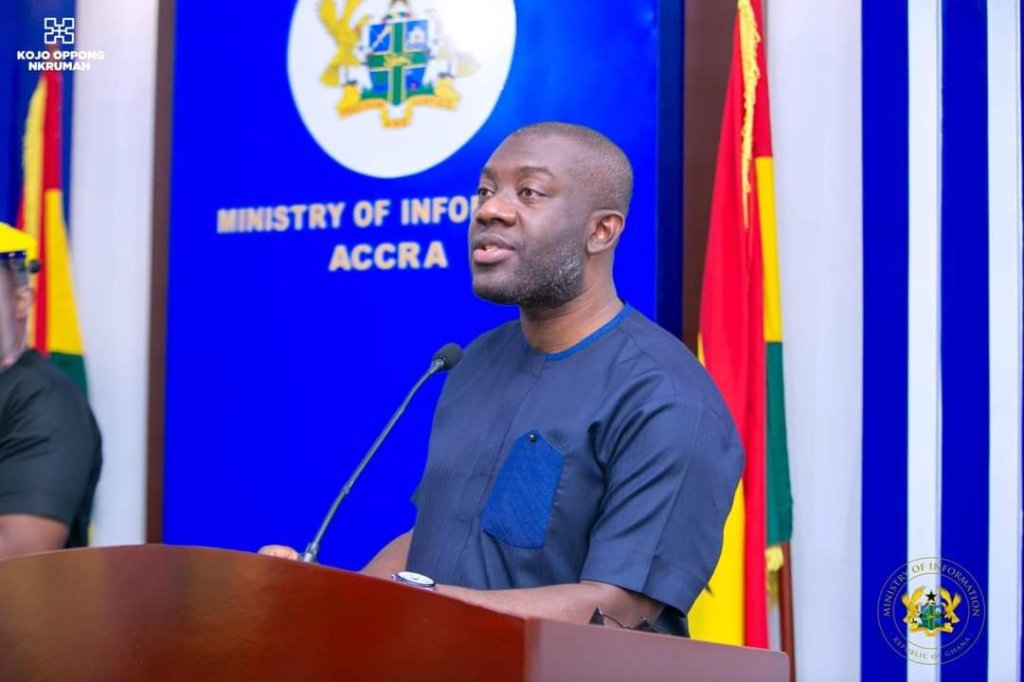
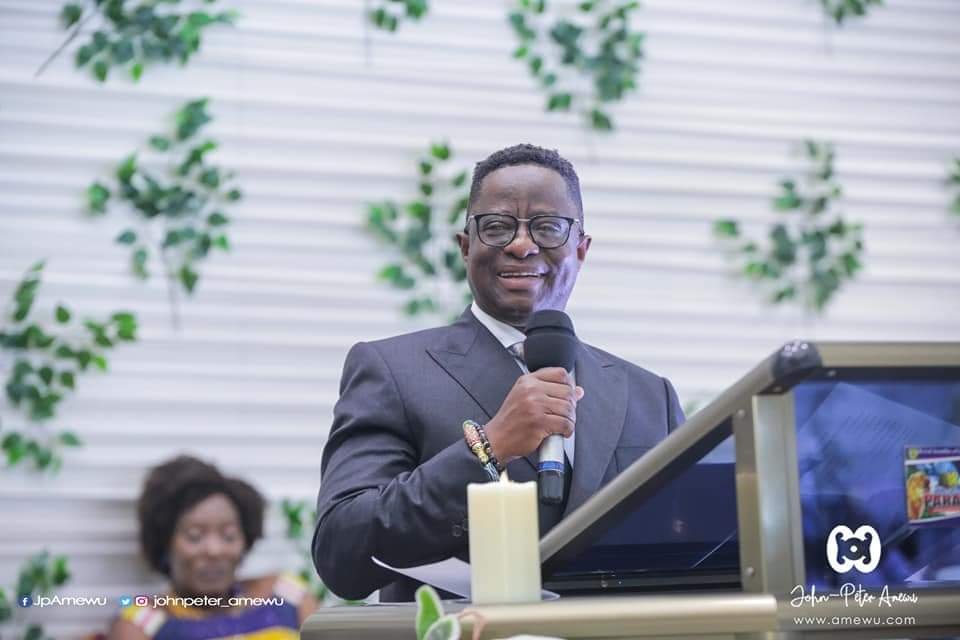


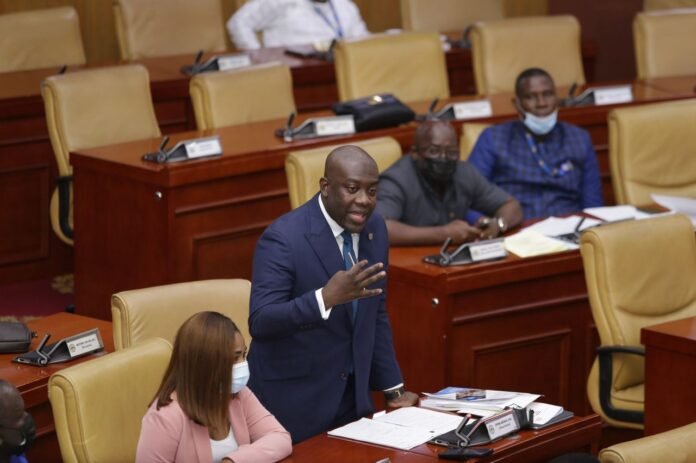
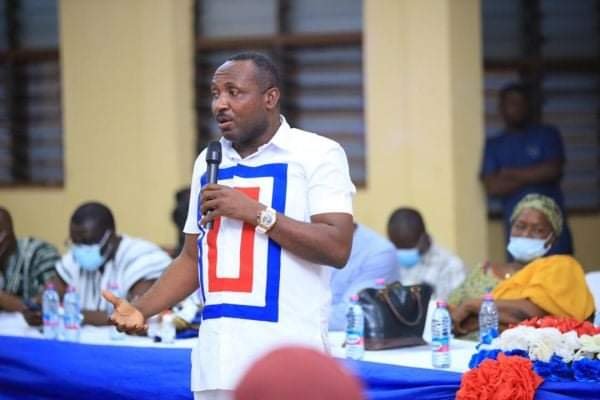

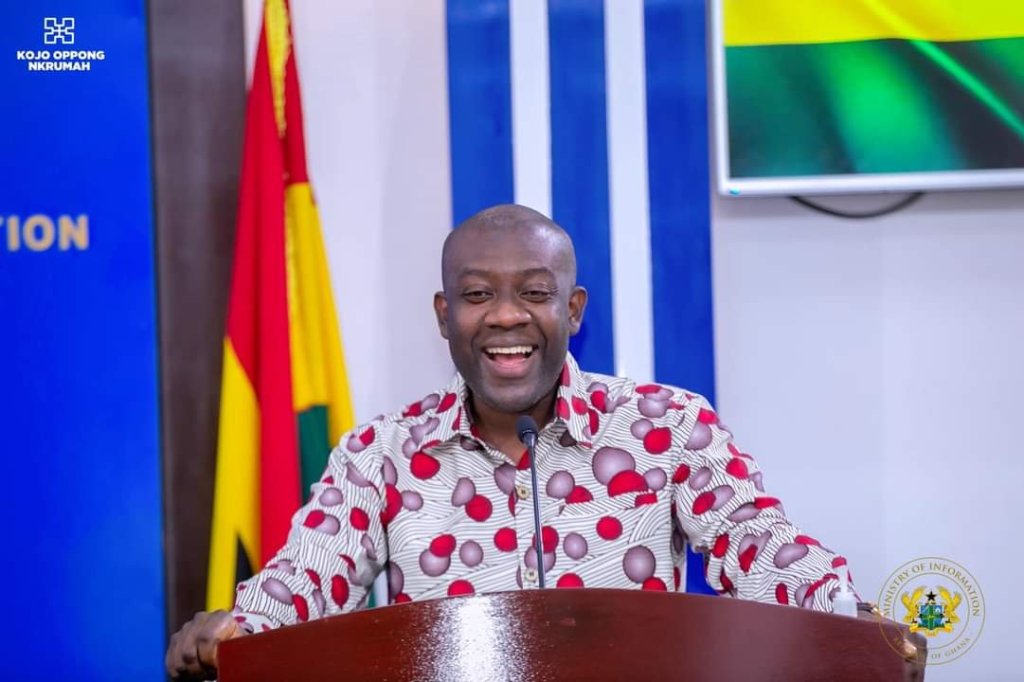
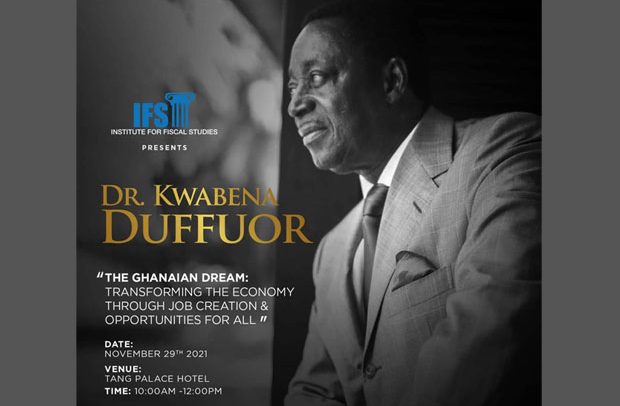

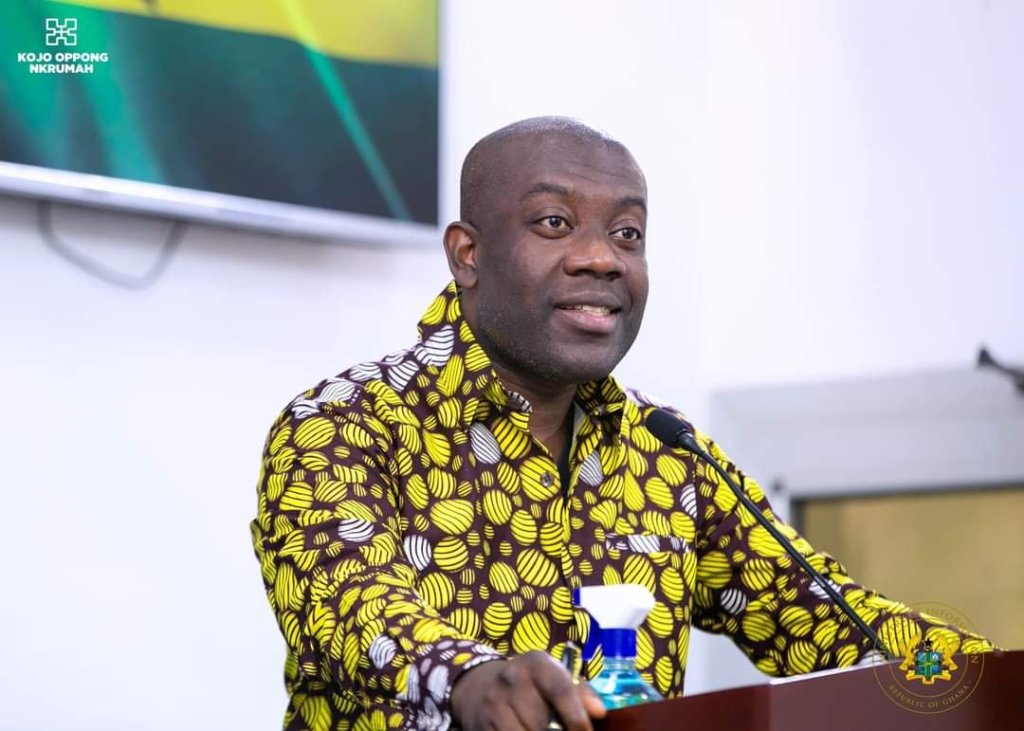
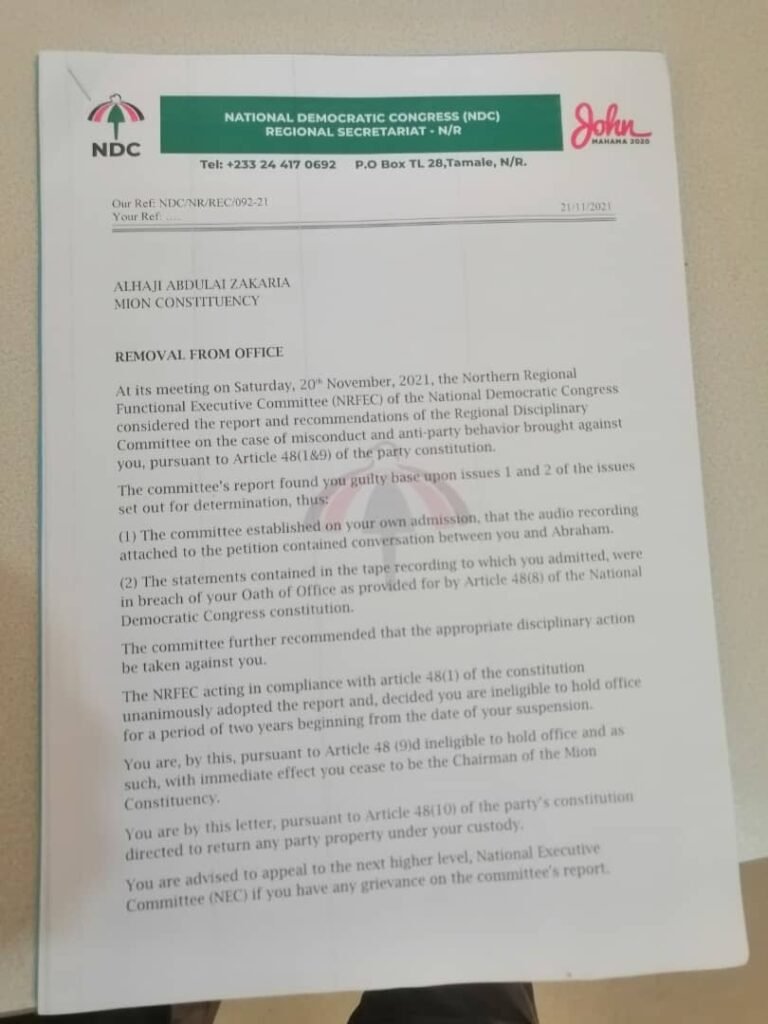
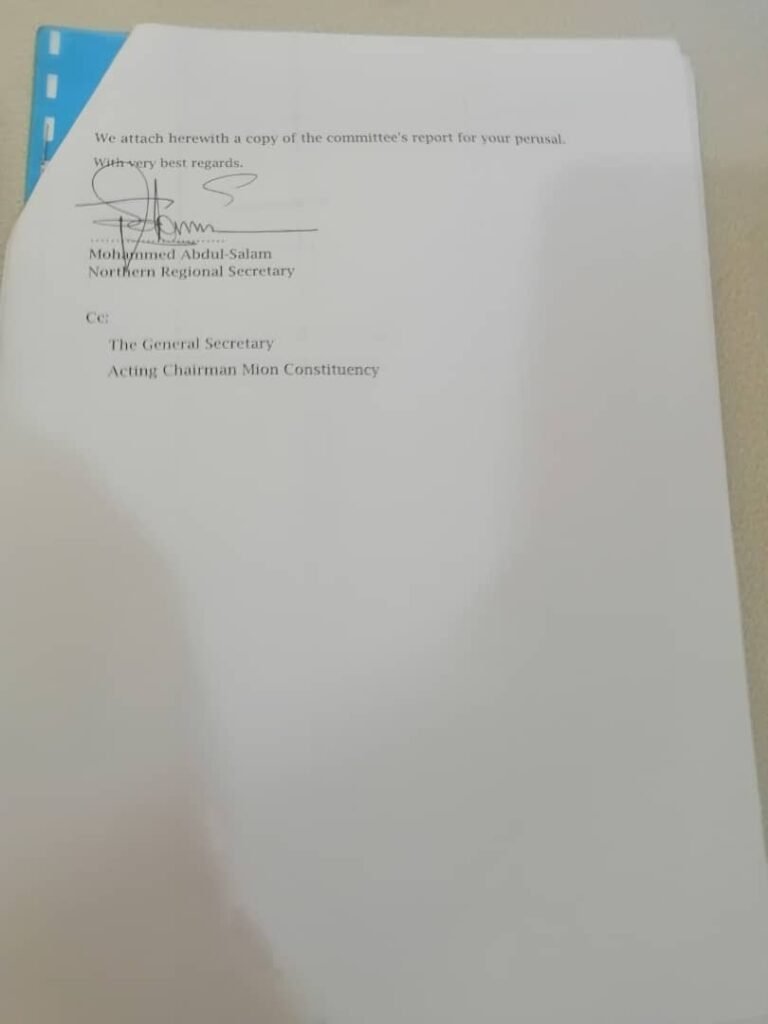

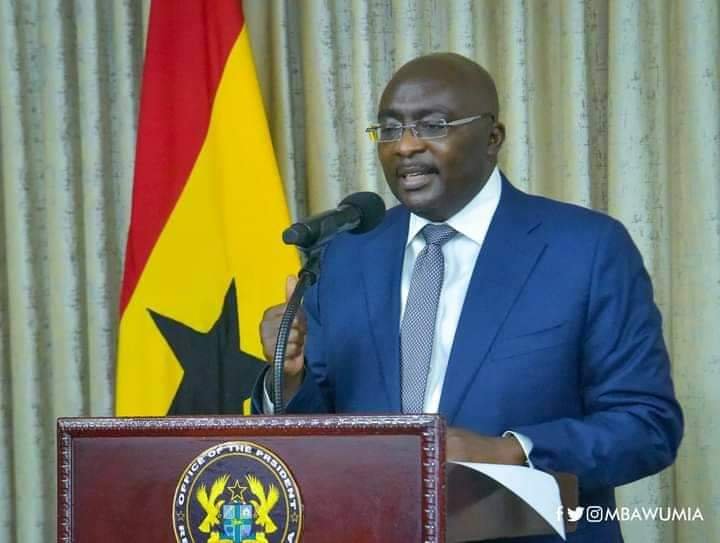


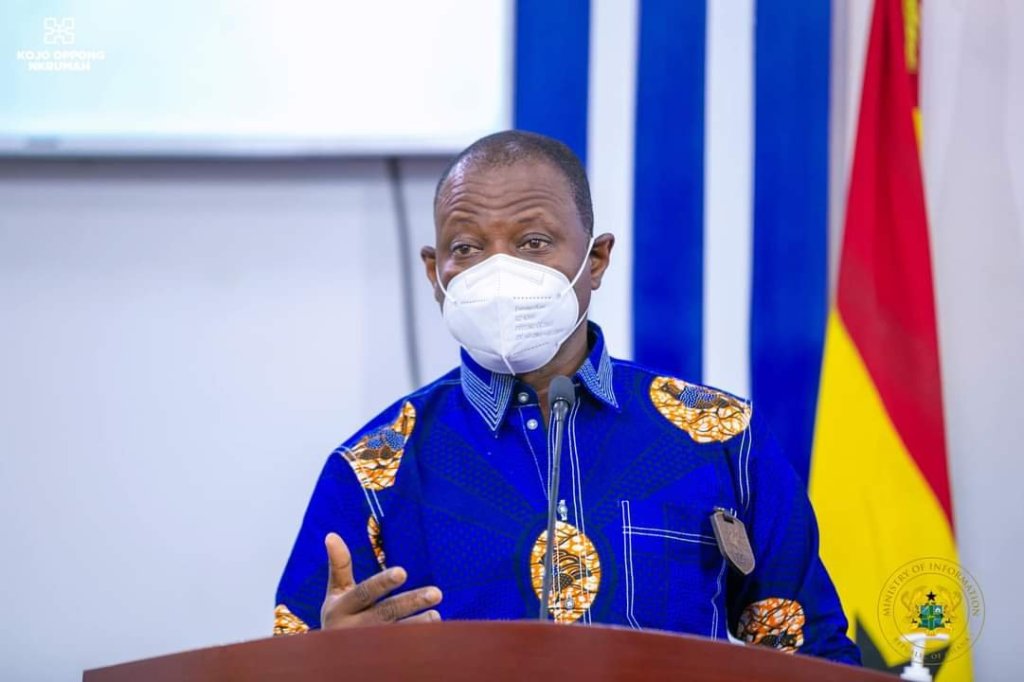


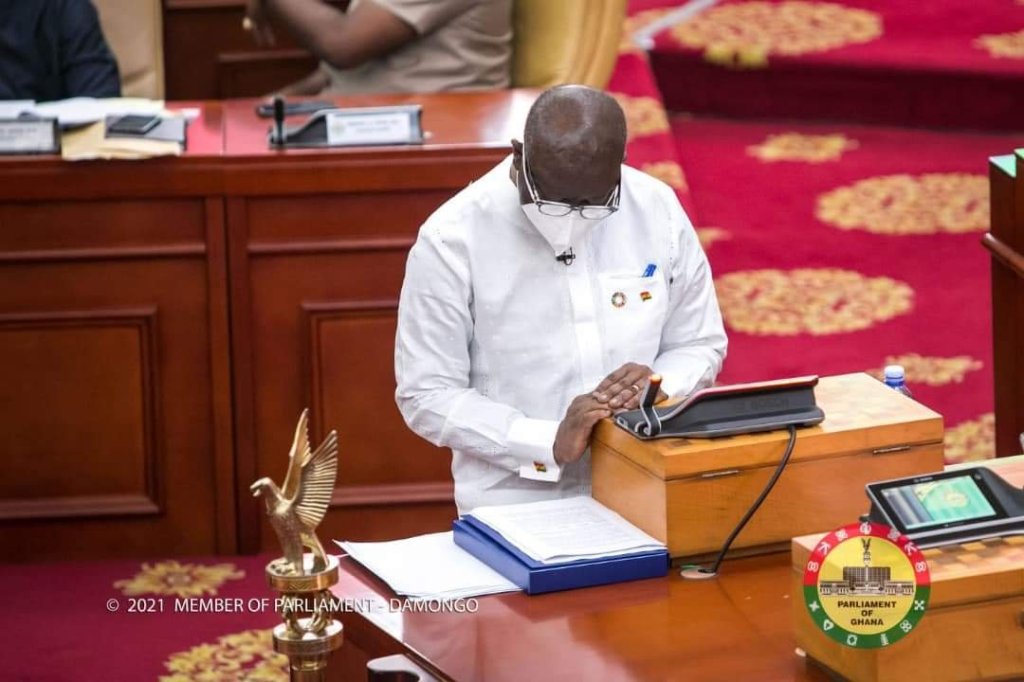
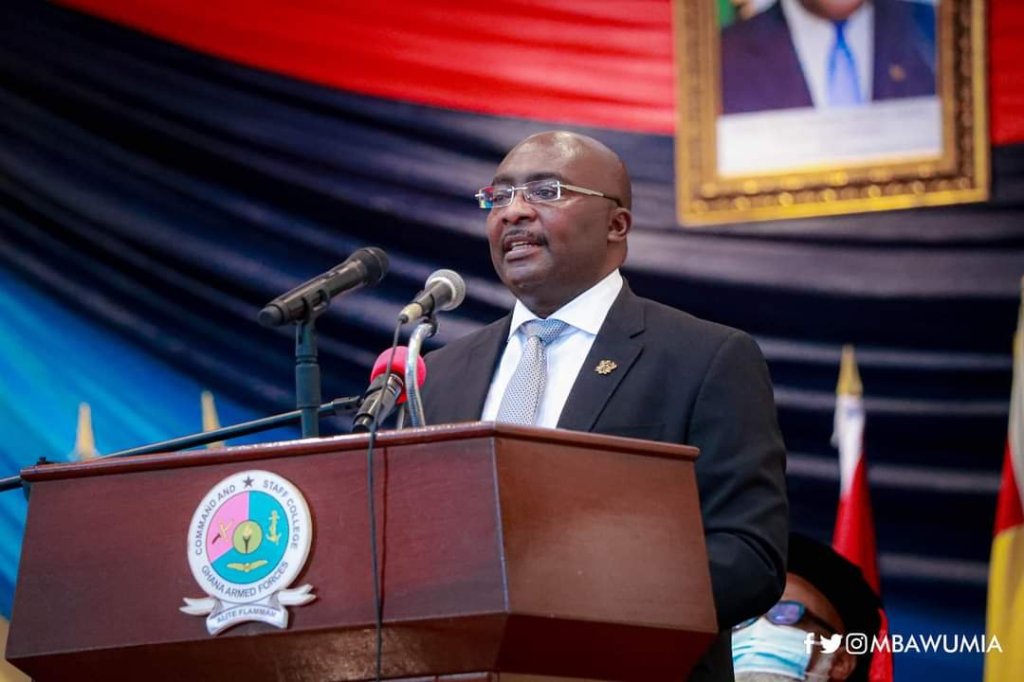


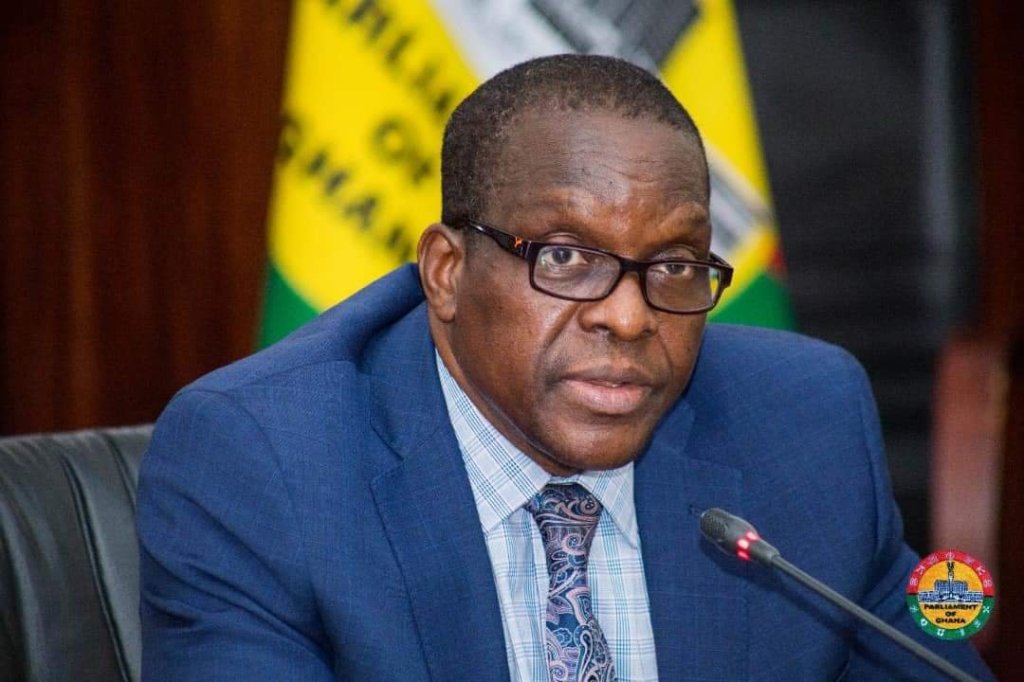


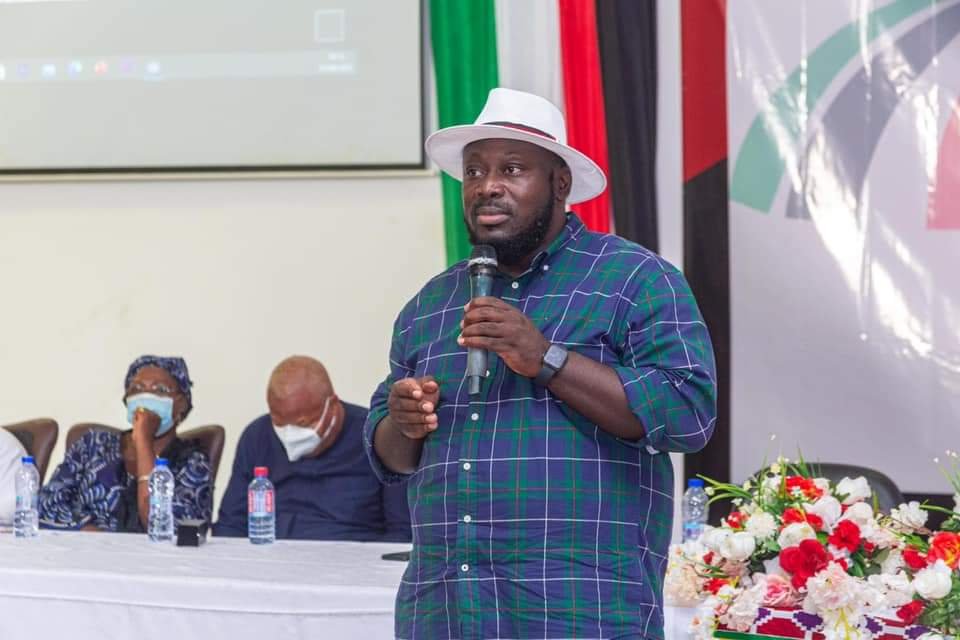



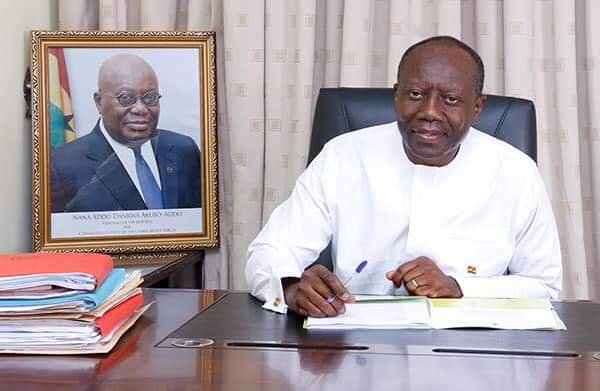

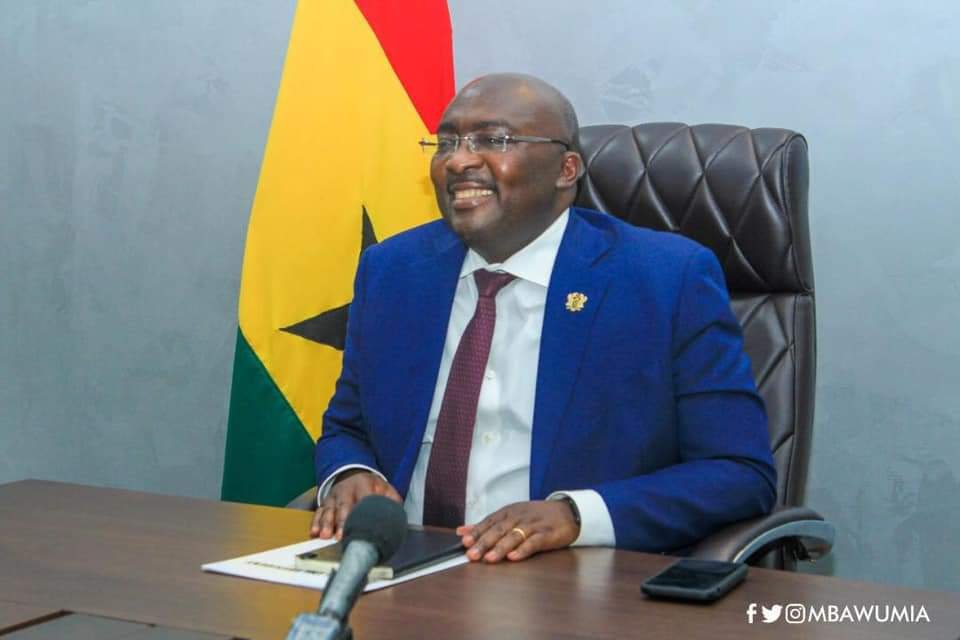
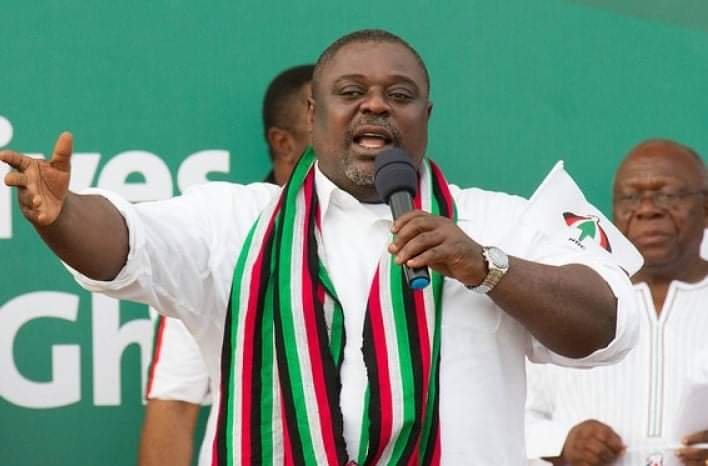
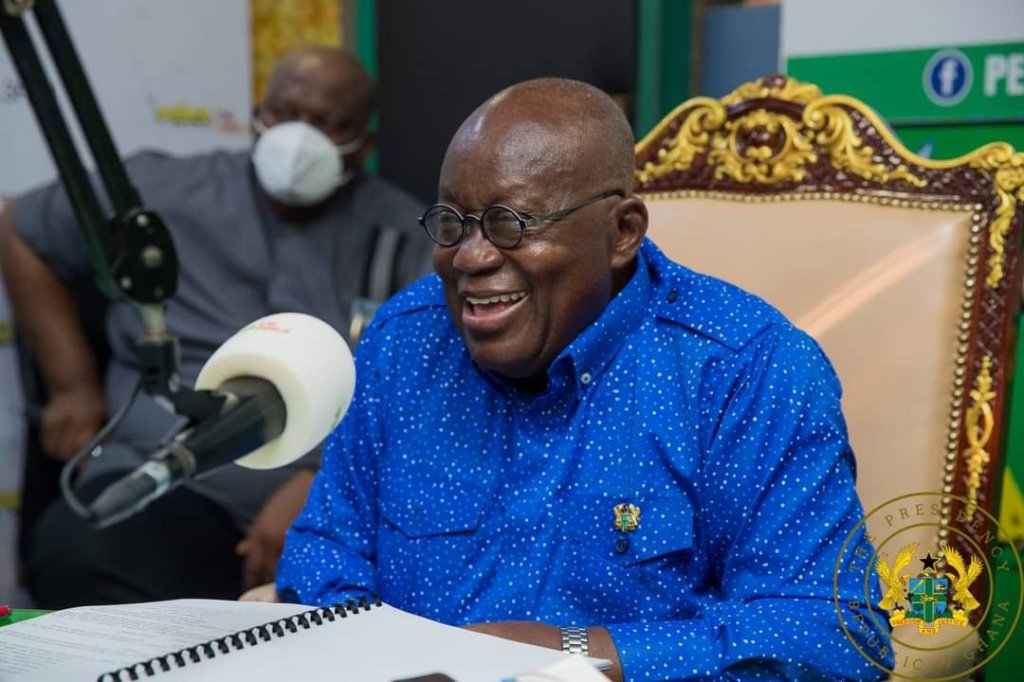







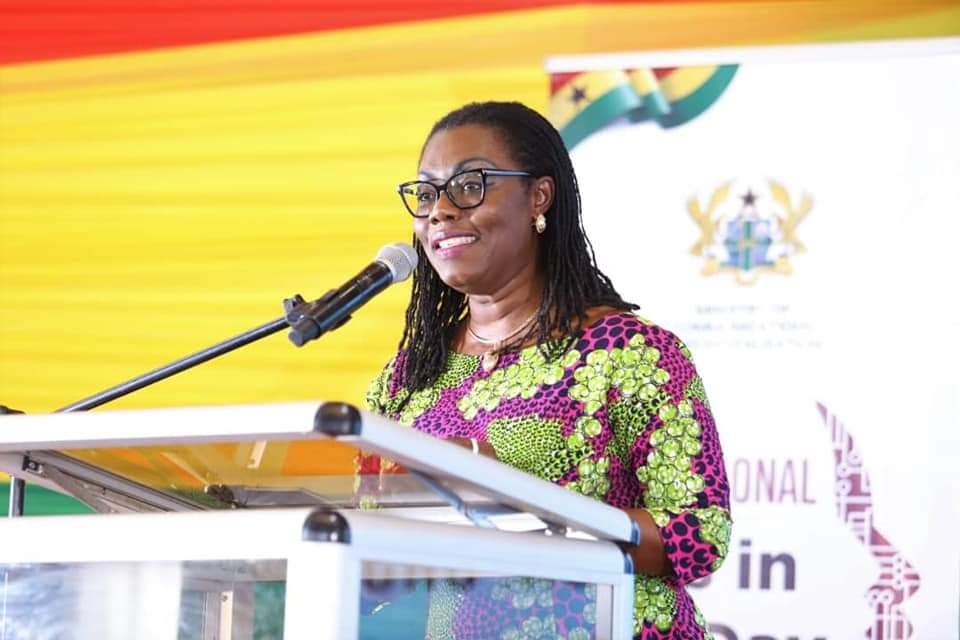
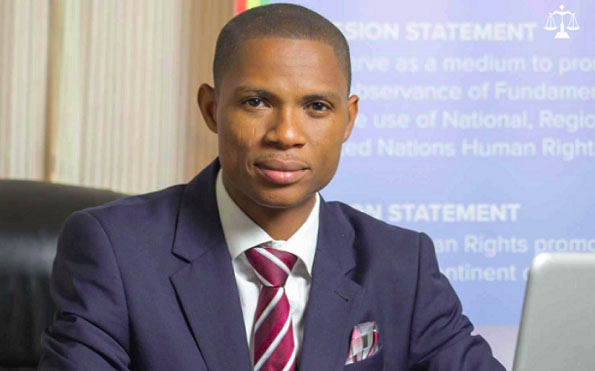


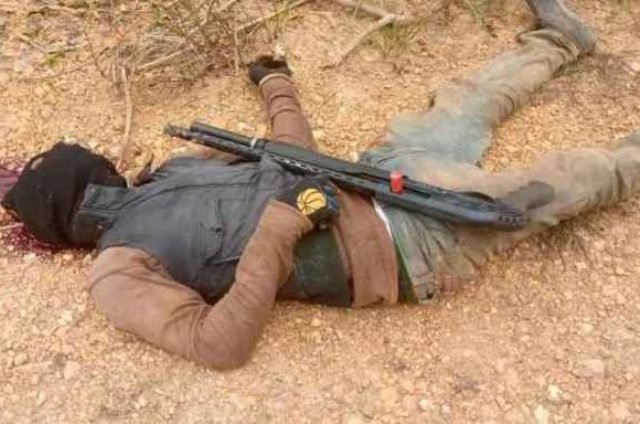
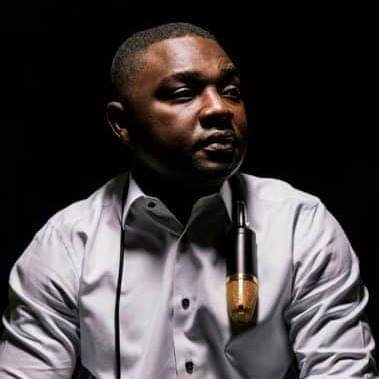
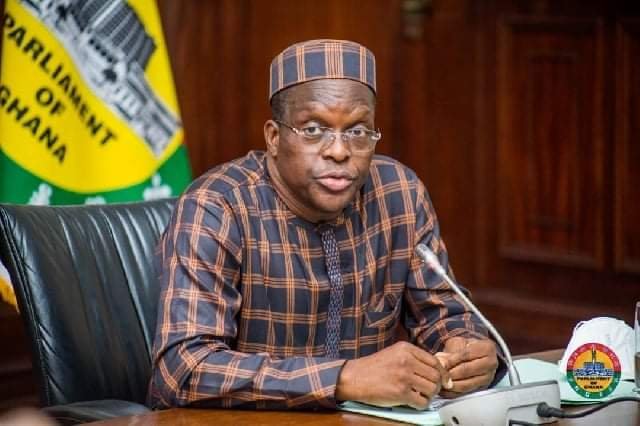
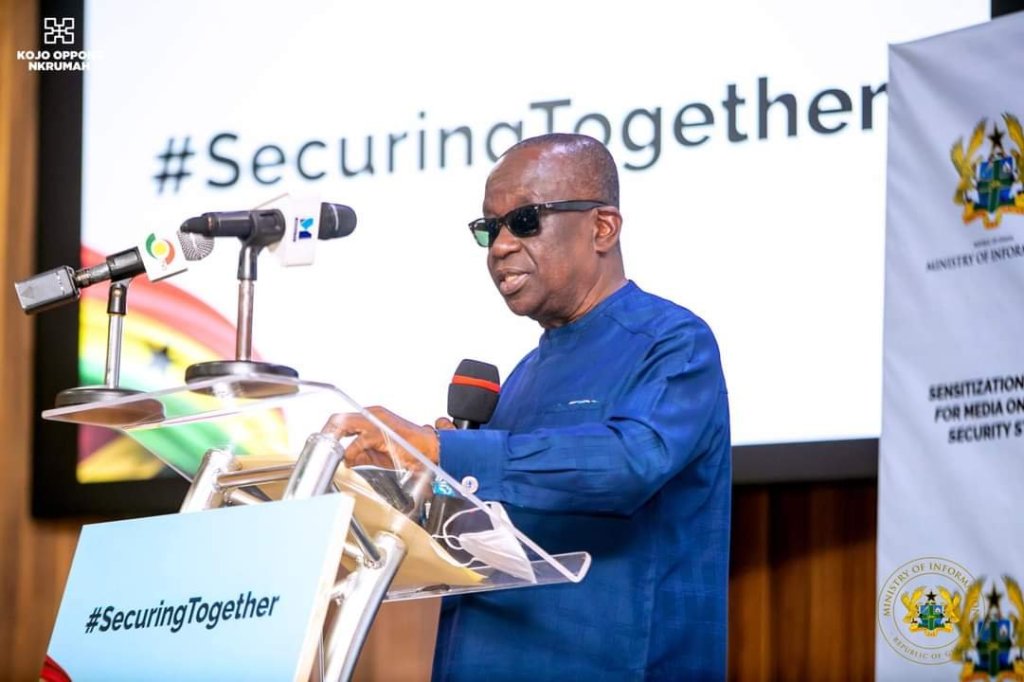


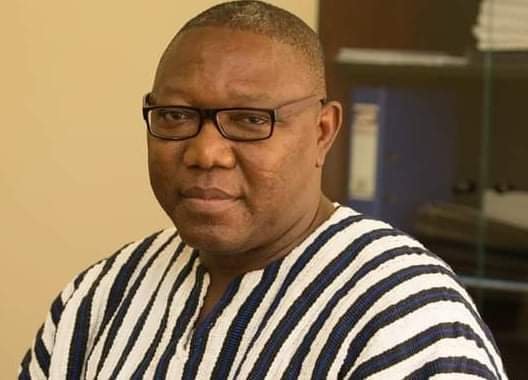
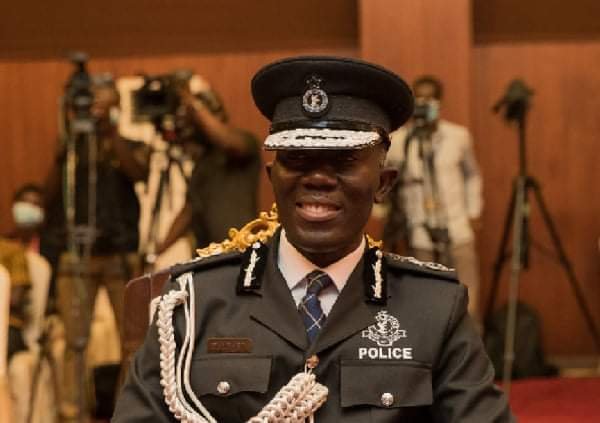


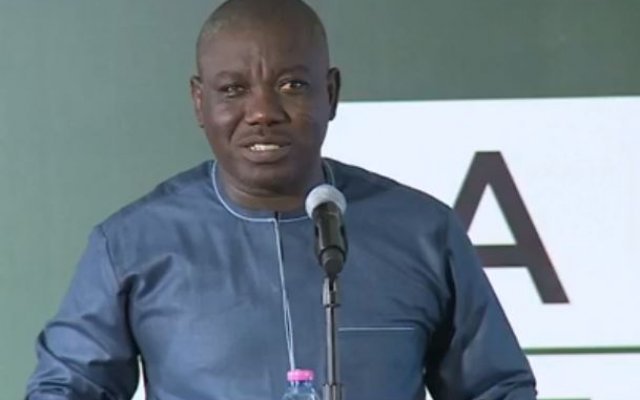

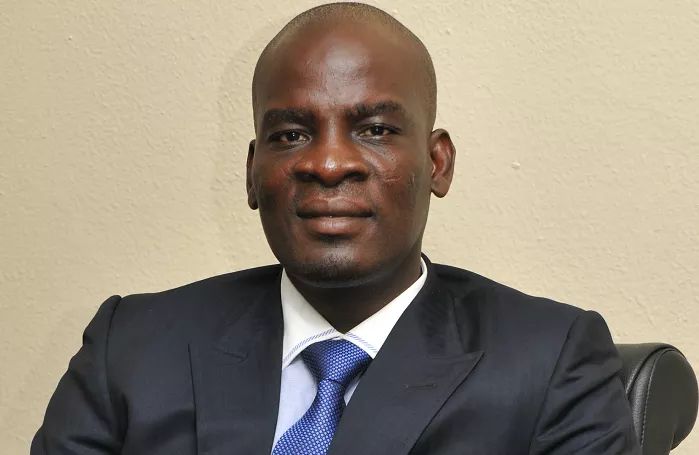


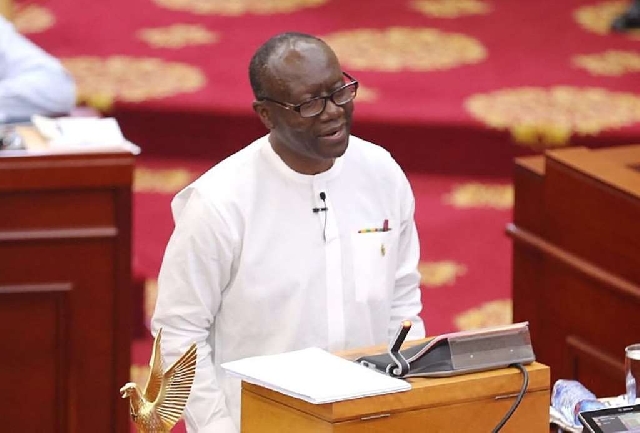


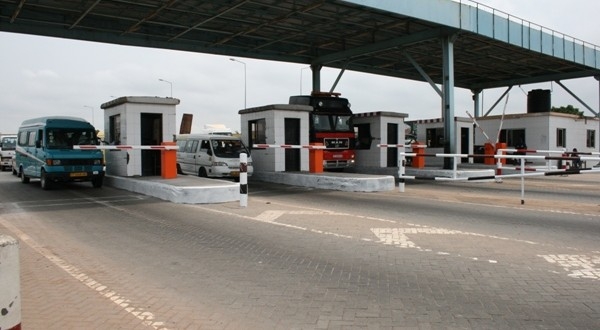
 Media Contents, Instant News on current affairs, Advertising, Marketing, Entertainment & Many More
You must be logged in to post a comment.